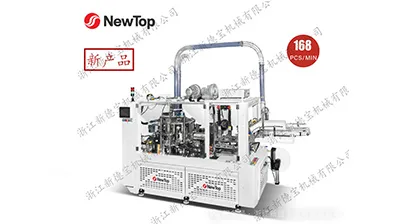

NewTop people pursue the concept of high quality and technology leading.
By changing the working mode with intelligent paper cup machine to make the operation more and more simple.

Every day, millions of paper cups are used for coffee, tea, cold drinks, and takeaway meals. If you are expanding your packaging business or upgrading an existing workshop, selecting the right cup forming equipment can feel overwhelming. Do you prioritize speed? Energy efficiency? Ease of maintenance? Or the ability to switch between cup sizes quickly?
In this guide, we break down the critical factors you need to evaluate before investing in a production line. You will learn what technical specifications actually matter, common mistakes to avoid, and how to match a system to your real-world production goals.
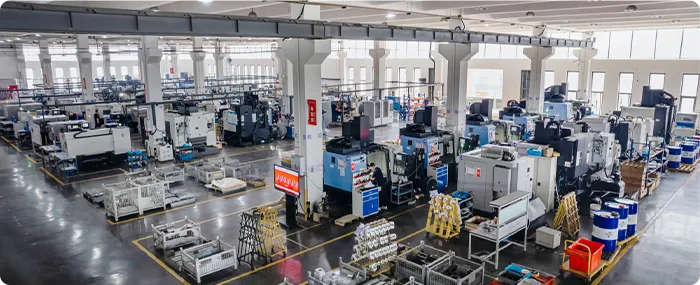
Start with honest numbers. What is your current monthly output? What is the expected growth over the next two years? Many buyers focus only on the maximum rated speed – for example, 80–100 cups per minute – but ignore how often they need to stop for size changes, material roll replacement, or quality checks.
Key questions to ask yourself:
Do you primarily produce one standard cup size (e.g., 8 oz or 12 oz), or do you need frequent changeovers?
Will you run two shifts a day or continuous 24/7?
Is your order volume seasonal (holidays, summer beverages) or steady?
If your volume is under 500,000 cups per month, a mid-range line with good changeover flexibility might be more cost-effective than an ultra-high-speed system. For large-scale operations, look for lines that maintain stable output above 120 cups per minute without jamming.
Speed is tempting, but a machine that runs fast but produces 5% rejects will cost you more in materials and rework than a slightly slower but more reliable one. Industry benchmarks suggest that a well-tuned paper cup production line should keep scrap below 1.5% for standard sizes and under 3% for complex shapes.
Check the machine’s actual operating speed – not just the theoretical maximum. Ask suppliers for data from existing customers running similar cup formats. For example, a line rated at 150 cups/min might realistically run at 120–130 cups/min when using 300 gsm paper board.
[Image: Close-up of a cup forming station showing the mandrel, heating elements, and side seam bonding area]
Also examine the side-seam bonding method. Ultrasonic or hot air systems produce cleaner seals, while traditional hot melt glue can be messy but easier to service. For food-contact applications, ensure the sealing process meets local safety standards (e.g., FDA or EU directives).
One hidden cost in paper cup production is downtime during size changes. A basic line may take 45–60 minutes to switch from an 8 oz to a 16 oz cup, requiring wrenches, re-calibration, and test runs. Modern modular designs can reduce this to under 15 minutes with quick-release mandrels and digital recipe storage.
Ask about:
Number of cup sizes supported without changing major components
Whether tooling sets are pre-aligned and color-coded
Availability of training for changeover procedures
For businesses that run multiple cup sizes daily, a line with fast changeover pays for itself within months by increasing effective production hours. If you mainly produce one size, simpler tooling may be perfectly adequate. Explore modular designs that cut changeover time.
Electricity and compressed air are recurring expenses often overlooked in the initial purchase. A high-output cup forming machine can consume 15–25 kW per hour, plus air for ejection and stacking. Over a year of two-shift operation, that difference adds up to thousands of dollars.
Look for:
Servo-driven systems instead of pneumatic cylinders where possible – they use power only when moving
Insulated heating zones that reduce thermal loss
Automatic standby mode during paper roll changes
Ask for energy consumption data at typical operating speeds. Some suppliers provide ISO 50001-compliant measurements. Also factor in lubricant and spare parts costs. Standardized components (bearings, sensors, belts) are cheaper and easier to source than custom-made parts.
Today’s cup making equipment often includes sensors for side-seam integrity, bottom curl consistency, and rim thickness. These intelligent systems can reject faulty cups in real time and send alerts to an operator panel. While such features raise the upfront price, they reduce waste and prevent bad batches from reaching your customers.
Consider whether you need:
Remote diagnostics and firmware updates
Production dashboards showing OEE (Overall Equipment Effectiveness)
Automatic lubrication scheduling
*According to a large packaging producer in Southeast Asia, switching to a line with real-time seam monitoring reduced their monthly scrap by 42% and eliminated three customer complaints about leaking cups.*
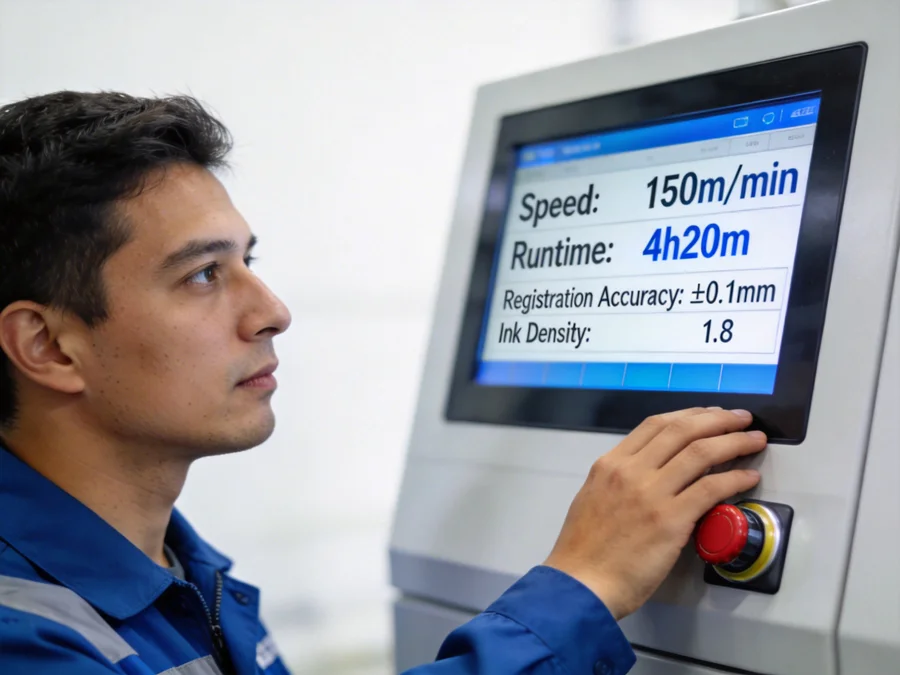
However, don’t be dazzled by every bell and whistle. Start by identifying which data actually helps your team make decisions. For a small shop, basic counters and a simple PLC interface may be enough. For a factory supplying international chains, traceability and batch reporting become essential.
A well-designed paper cup production line allows easy access to the forming turret, heating elements, and vacuum ports without dismantling half the machine. Before purchasing, ask for a maintenance guide or a video walkthrough. If changing a heater band requires removing three panels and a gearbox, your uptime will suffer.
Also evaluate:
Local spare parts availability – Can you get common wear parts (mandrels, cutting knives, belts) within 48 hours?
Remote technical support – Does the supplier offer video-call troubleshooting?
Documentation – Are manuals clear, with exploded diagrams and torque specs?
[Image: Technician adjusting a cup forming station with easy-access side panels opened]
| Factor | Entry-Level Line | Mid-Range Line | High-Speed Intelligent Line |
|---|---|---|---|
| Speed (cups/min) | 40–70 | 80–120 | 130–180+ |
| Changeover time | 45–60 min | 20–30 min | 10–15 min |
| Scrap rate typical | 3–5% | 1.5–2.5% | <1.5% |
| Energy consumption | Higher per cup | Moderate | Lower per cup (servo) |
| Data tracking | Basic counters | PLC with logs | Real-time OEE & remote access |
| Best for | Small batches, one size | Growing businesses, 2–3 sizes | High volume, multiple sizes, automation |
No single “best” line exists – only the best fit for your production reality. If you are starting out, a reliable mid-speed machine with good support may be smarter than a used high-speed line with unknown maintenance history. If you already run millions of cups monthly, investing in an intelligent system reduces labor costs and improves consistency.
Run your own paper and film samples on any shortlisted equipment. Observe how the machine handles different grammages and coatings (PE, PLA, water-based).
Talk to existing users – not just the supplier’s references. Industry forums and trade shows are great for honest feedback.
Calculate total cost of ownership over 5 years (purchase + energy + maintenance + tooling + scrap). A cheaper machine often costs more by year three.
Plan for operator training – even the best line performs poorly if the team doesn’t understand alignment, temperature settings, or cleaning cycles.
If you are looking for a balanced solution that combines practical speed, easy changeover, and intelligent monitoring without overcomplicating operations, you can explore New Debao’s paper cup production systems here. Their modular approach and documented support structure have helped many mid-sized manufacturers scale efficiently.
Disclaimer: The technical parameters and benchmarks mentioned are based on industry publications (e.g., TAPPI standards, supplier datasheets) and aggregated customer feedback. Actual performance depends on paper quality, operator skill, and maintenance practices. Always verify specifications with the manufacturer before purchase.
References:
TAPPI TIP 0402-01 – Paper Cup Manufacturing Best Practices
ISO 50001:2018 – Energy management systems
Industry survey: “2024 Global Paper Cup Machinery Report” (Packaging Insights)
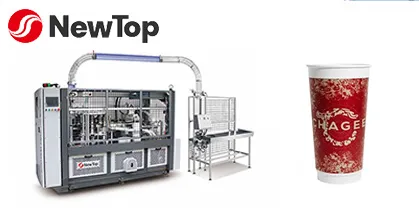
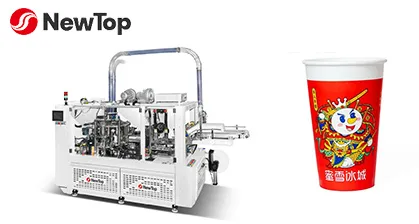
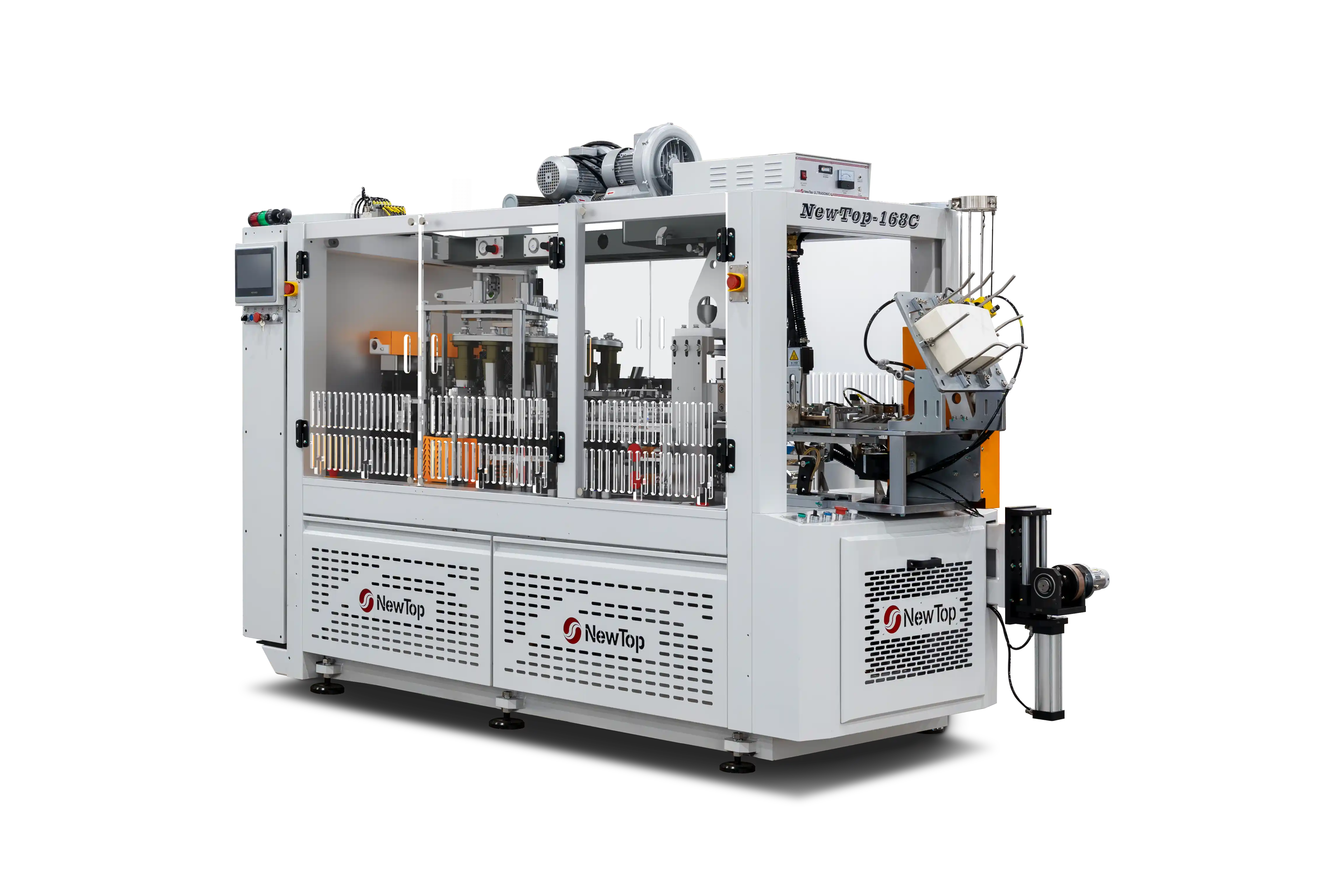
2.5oz-12oz Paper Cup Size
168-175 pcs/min Max Capacity
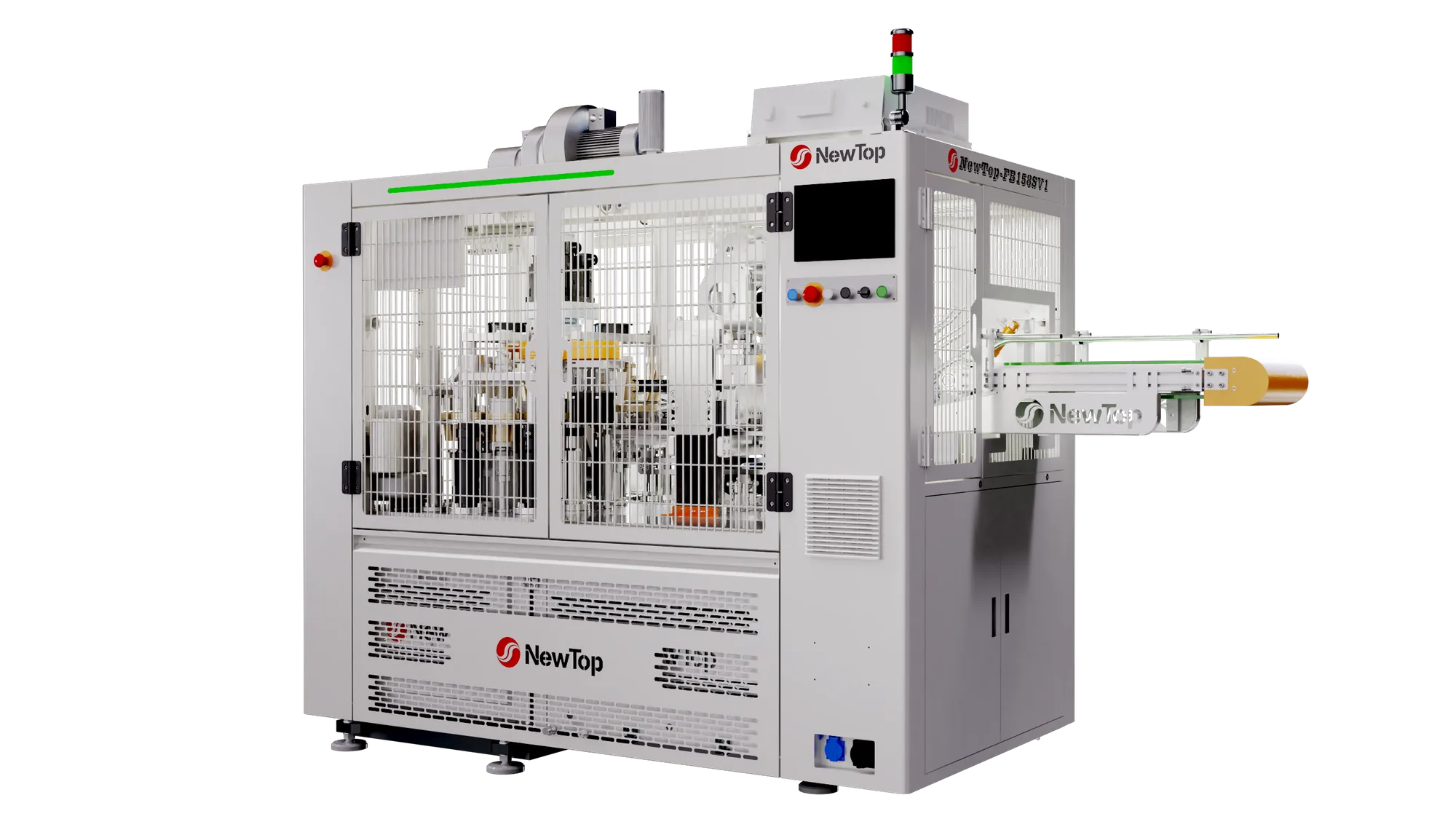
16-42oz Paper Cup Size
140 pcs/min Max Capacity
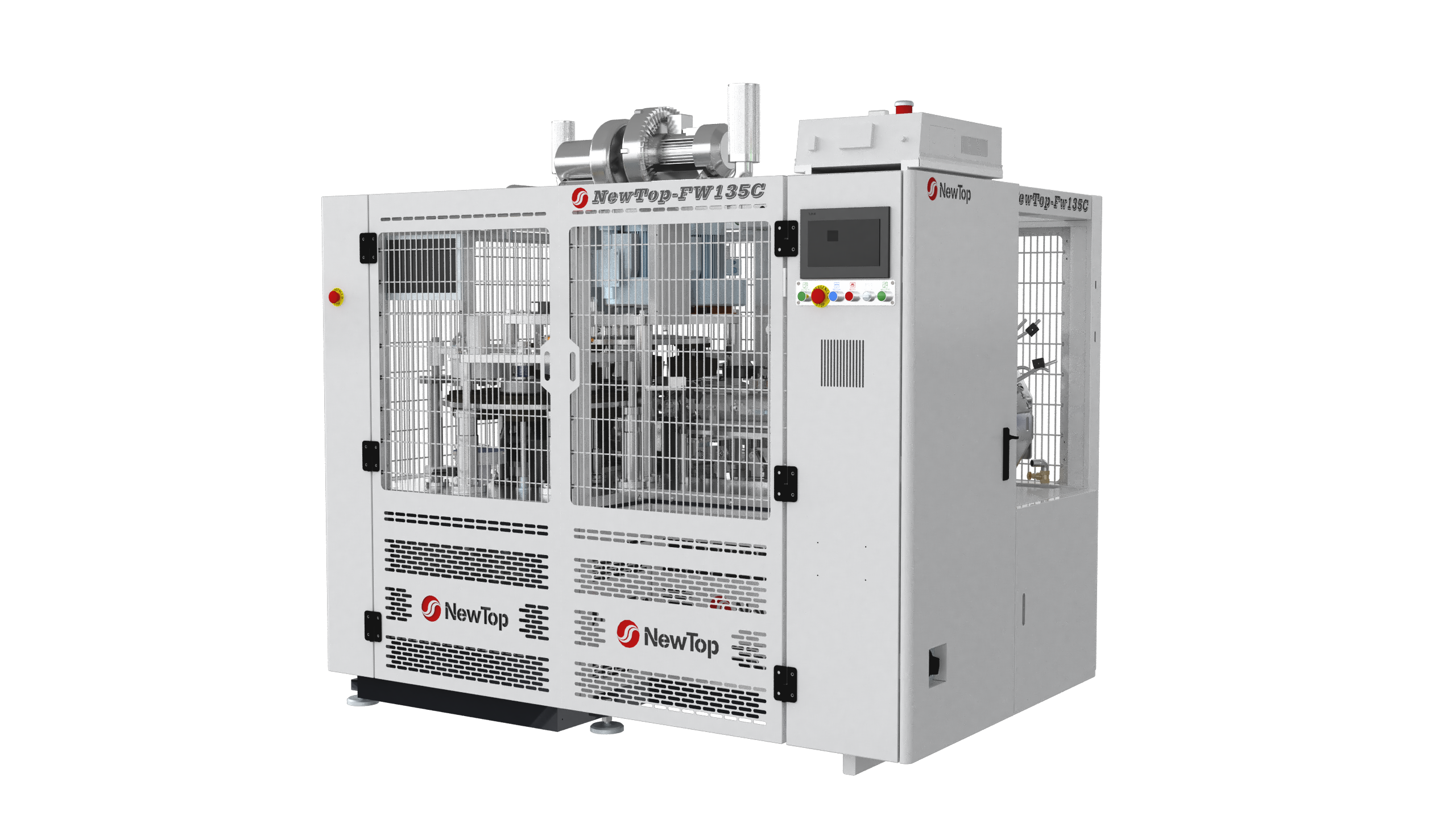
16-22oz Paper Cup Size
138 pcs/min Max Capacity


NewTop people pursue the concept of high quality and technology leading.
By changing the working mode with intelligent paper cup machine to make the operation more and more simple.
Fengzhai Natural Village,Wandu Village, Wanquan Town, Pingyang County, Zhejiang Province,China