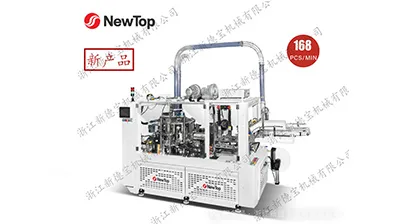

NewTop people pursue the concept of high quality and technology leading.
By changing the working mode with intelligent paper cup machine to make the operation more and more simple.

Every shift that ends with unmet targets feels like a quiet crisis. You watch the counter, but the numbers just don’t climb fast enough. The machines run, yet output lags behind what the line should deliver. For many production managers, this frustration is a weekly—if not daily—reality.
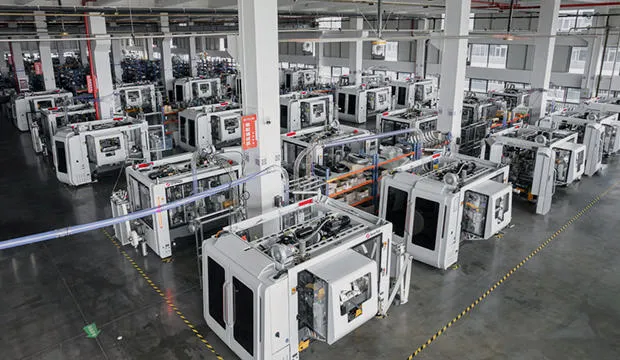
So what actually steals your cups per minute? Let’s step away from generic advice and dig into the real, often-overlooked pain points that slow down paper cup forming lines—and how to fix them without replacing your entire workshop.
You might assume the main bottleneck is the forming station. In most medium-speed lines, however, the problem starts earlier: the feeding and paper alignment stage.
What happens: Paper rolls are pulled, side-guides adjust, and the blank is cut. When the paper edge sensor drifts by just 0.5mm or the roll tension fluctuates, the system triggers a micro-stop. Each stop lasts only 1–2 seconds, but multiply that by thousands of cycles per shift, and you lose 15–20% of net runtime.
How to fix it:
Calibrate edge sensors every 200 operating hours using a standard test strip (ISO 12625-4 method).
Replace worn braking pads on the unwinding stand—this alone recovered 12% output for a mid-sized Chinese packaging plant last year.
Install a tension display unit so operators can spot drift before it triggers stops.
A common misconception: “If the cup seals, the heater works.” But partial or inconsistent heating forces the machine to run multiple indexing cycles to re-melt the same area. You don’t see a jam—you just see slower cycles.
According to industry data from a 2023 packaging efficiency survey (n=140 plants), over 40% of unexplained speed loss traces back to uneven heating element aging or poor bottom heater contact.
Root cause analysis:
Bottom heater platen develops microscopic warping after 8–10 million cycles.
Heating element resistance changes unevenly, creating cold spots.
The control algorithm uses fixed timing rather than actual temperature feedback.
Solutions that work:
Measure surface temperature at three points across the heater platen weekly (difference should be ≤5°C).
Replace heating elements in matched sets—never individually.
If your line allows, upgrade to closed-loop temperature control with PID tuning. This adjusts heating duration per cycle based on real thermal data.
Nothing kills shift morale like a jammed stacker that stops the whole line while you manually extract 50 crushed cups. But here’s what many miss: the jam is rarely the problem—it’s a symptom of upstream misfeeds or cup ejector timing drift.
Real-world example: A large Indian paper cup manufacturer reported losing 18 minutes per 8-hour shift to stacker jams. After data logging, they discovered the cup ejector cylinder stroke was 2mm short due to a worn cushion seal. Fixing that one part reduced jam-related downtime by 73%.
Preventive checklist:
Log every jam event with time, cup size, and operator notes for one week. Look for patterns (e.g., only happens after 2 PM = possible heat-related expansion).
Measure ejector stroke length weekly using a simple depth gauge.
Clean optical counting sensors with isopropyl alcohol every shift—dust from paper fibers is a notorious troublemaker.
If you’re frequently dealing with these mechanical inconsistencies and want to explore how modular designs address them, click here to see key design features that reduce micro-stops.
Technical fixes alone won’t solve output lag if your team rushes through changeovers. A speed loss of 5–8% often comes from “close enough” settings: side guides 0.3mm too wide, forming mandrel not fully centered, or lubrication points skipped.
Professional approach (based on SMED methodology):
Create a one-page visual checklist for each cup size. No text-only lists—use photos of correct alignments.
Assign two dedicated operators for changeovers: one for mechanical adjustments, one for electrical/parameter checks.
Run a 50-cup test at 70% speed before ramping to full production. Measure cup height and bottom seal leak rate during this test.
Many production teams skip the test run to save 3 minutes—and end up losing 30 minutes of poor output. Don’t be that plant.
Sometimes, despite perfect maintenance and skilled operators, the mechanical platform itself limits output. For instance, older lines with cam-driven indexing cannot safely exceed 60 cups per minute without risking part fatigue. Pneumatic systems may struggle with consistent pressure above 80 cups/min, especially in plants with multiple machines sharing one compressor.
This is where understanding your equipment’s intrinsic design speed matters. A machine rated for “up to 100 cups/min” often achieves stable 85–90 cpm in real production. If you need 110 cpm sustainably, you’re looking at a different class of forming technology—typically servo-driven systems with independent motion control.
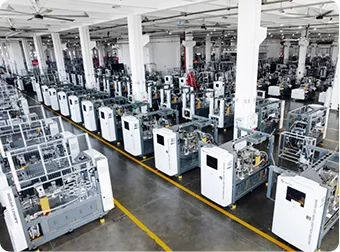
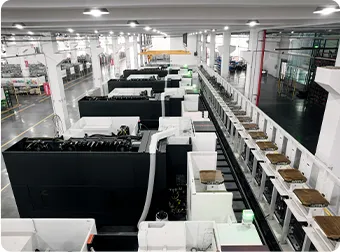
To see real-world output data and technical specifications of modern servo-driven forming lines, you can explore performance benchmarks from current production platforms.
Instead of fighting fires, build three simple habits into your weekly schedule:
Tuesday morning sensor check – 10 minutes to verify edge and proximity sensors.
Thursday heater profile – Record three-point temperatures on bottom and side heaters.
Friday stacker review – Run 200 cups at full speed and log any counting errors.
According to a maintenance study published by TAPPI (Technical Association of the Pulp and Paper Industry), plants following a fixed weekly check routine reduced unplanned downtime by 34% within two months.
Every slow cycle, every micro-stop, every jam is telling you something specific. The question is whether you have the time and tools to listen. For many production teams, the bottleneck isn’t mechanical—it’s the gap between symptom and root cause.
If you’re consistently hitting walls with your current line and want to understand what’s realistically achievable with well-integrated forming systems, request a production efficiency consultation based on your actual cup sizes and shift patterns. Sometimes the fastest fix is knowing when to upgrade—and what to upgrade to.
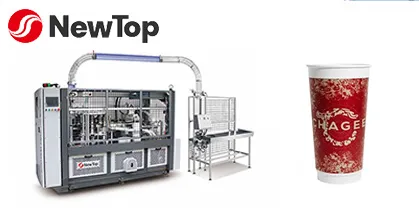
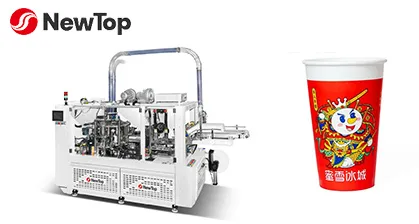
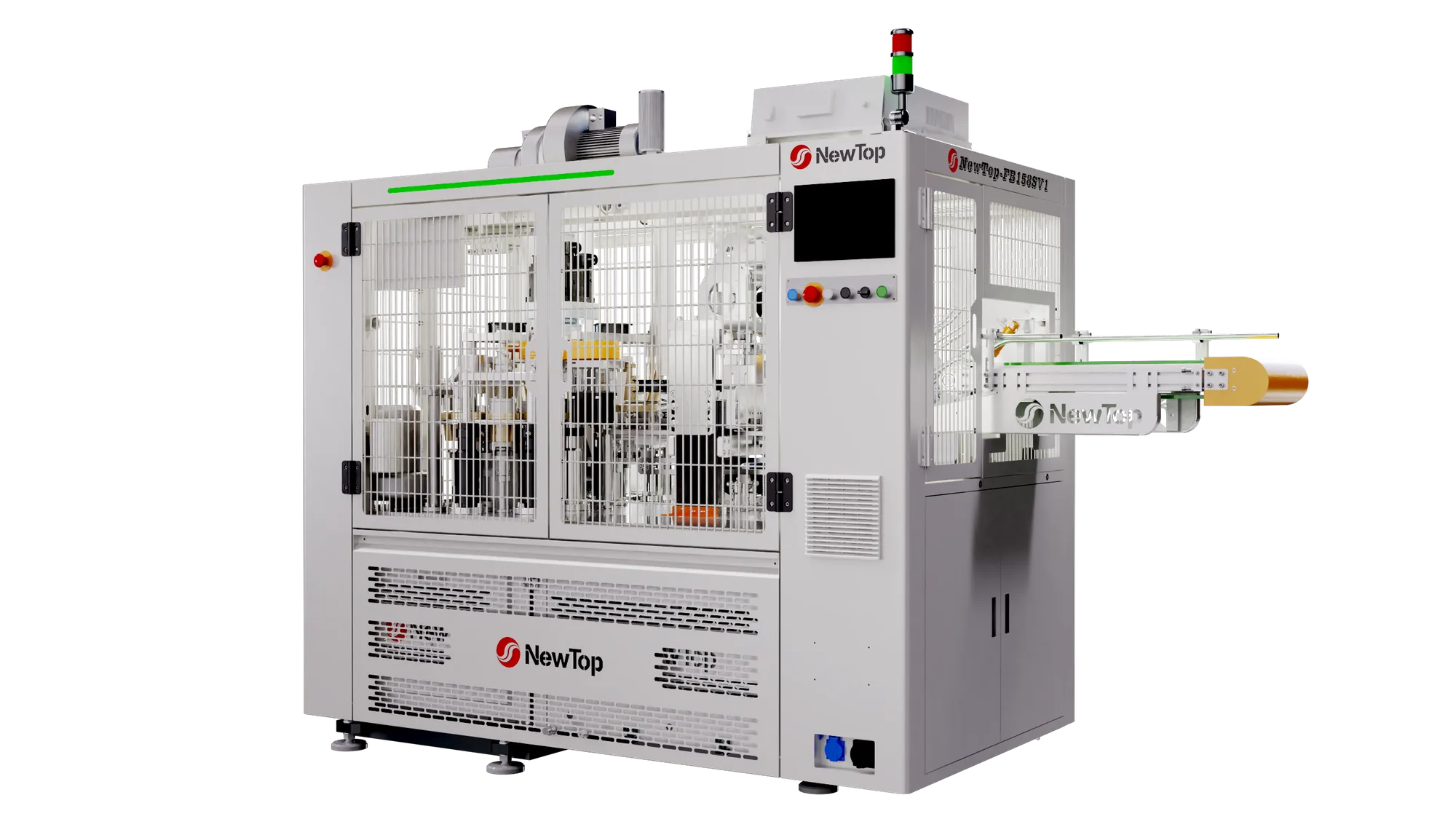
2.5oz-12oz Paper Cup Size
168-175 pcs/min Max Capacity
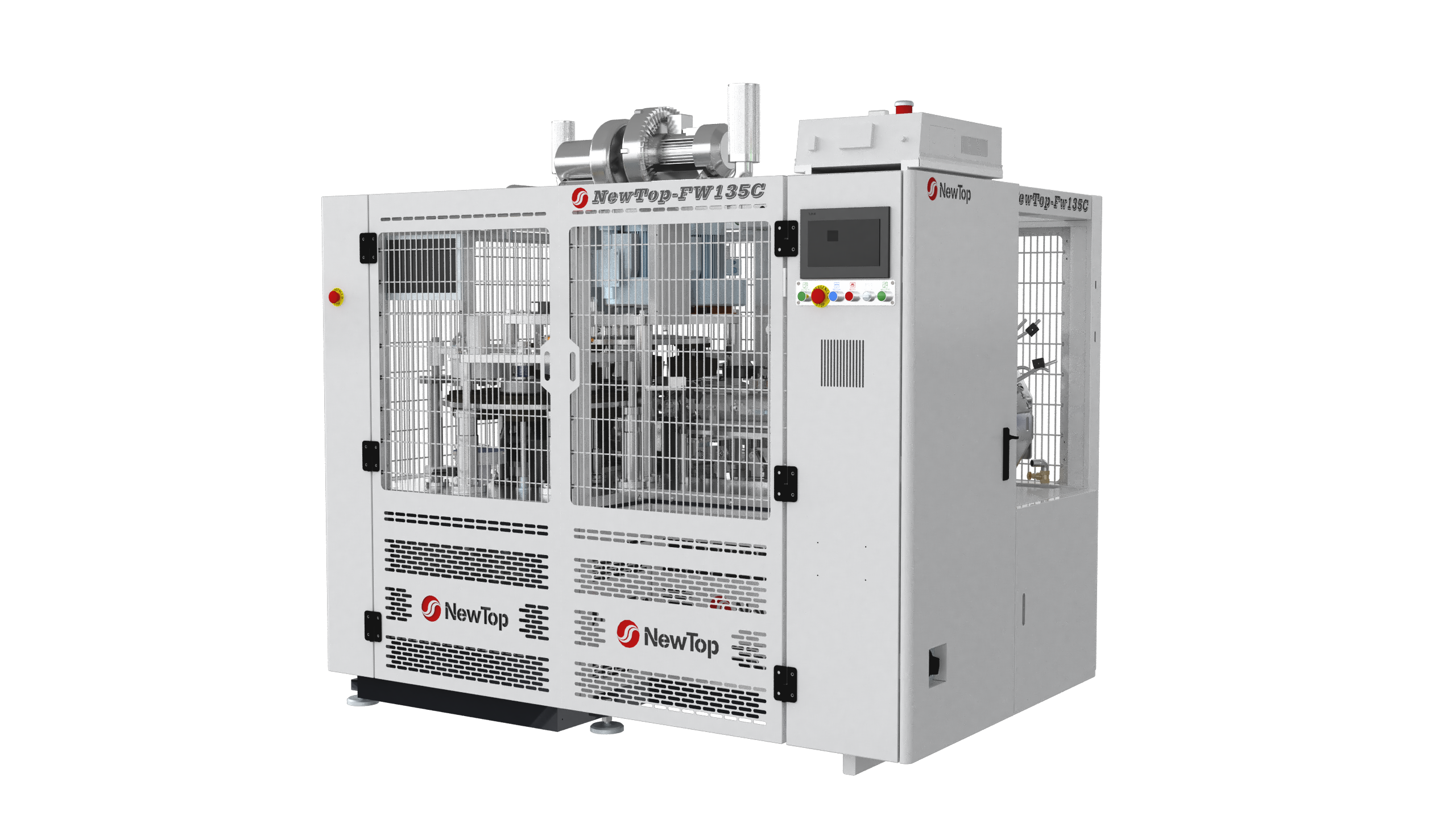
16-42oz Paper Cup Size
140 pcs/min Max Capacity
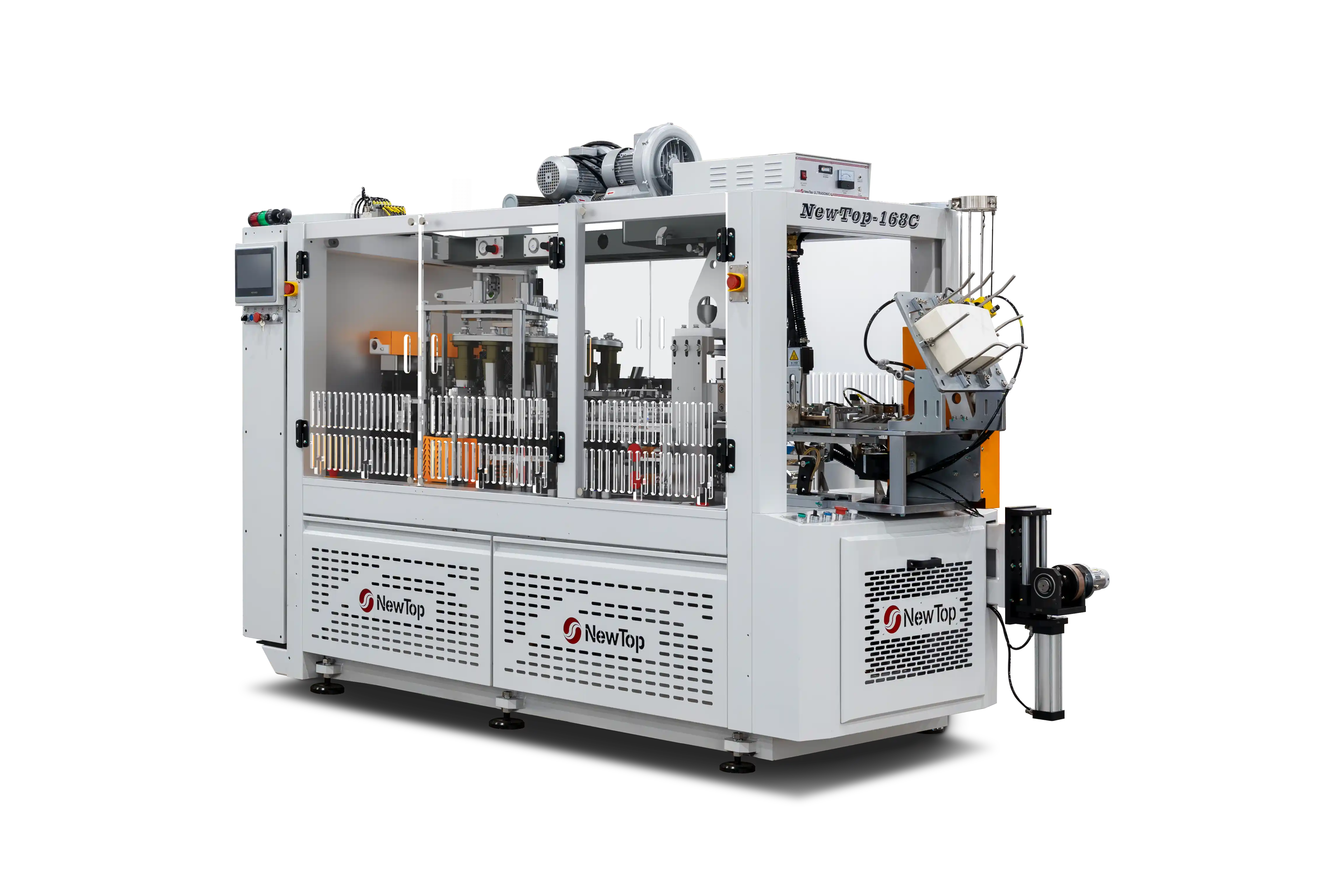
16-22oz Paper Cup Size
138 pcs/min Max Capacity


NewTop people pursue the concept of high quality and technology leading.
By changing the working mode with intelligent paper cup machine to make the operation more and more simple.
Fengzhai Natural Village,Wandu Village, Wanquan Town, Pingyang County, Zhejiang Province,China