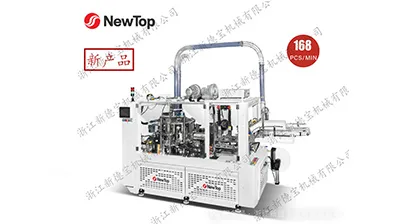

NewTop people pursue the concept of high quality and technology leading.
By changing the working mode with intelligent paper cup machine to make the operation more and more simple.

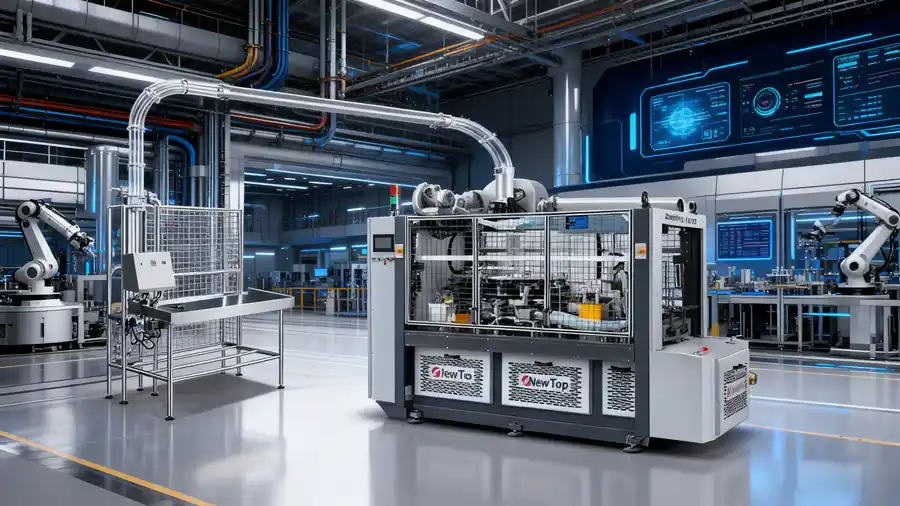
If you're searching for a "paper bowl making machine", you're likely at the crossroads of tapping into the booming eco-friendly packaging market or expanding your existing production. The core answer you need is that a paper bowl making machine is a specialized piece of equipment that transforms rolls of paper pulp or coated paperboard into finished, usable disposable bowls through a process of forming, heating, pressing, and edge rolling. The right machine choice hinges on your target production volume, level of desired automation, budget, and the specific types of bowls you intend to produce. In this comprehensive guide, we will dissect everything from the initial investment and machine types to the operational nuances, with a focused look at why Newdebao has become a trusted name in this competitive manufacturing sector.
The global shift away from single-use plastics is not just a trend; it's a legislative reality. With regions like Europe, North America, and parts of Asia implementing strict bans on plastic products, the demand for sustainable alternatives has skyrocketed. According to a recent report by Grand View Research, the global disposable tableware market size was valued at USD 6.45 billion in 2024 and is expected to expand at a compound annual growth rate (CAGR) of 5.8% from 2025 to 2030. This growth is directly fueled by rising consumer awareness, increased food delivery and takeaway services, and stringent government policies.
Investing in a paper bowl manufacturing plant is no longer just a business opportunity; it's a forward-thinking move into a future-proof industry. Whether you aim to supply local restaurants, national supermarket chains, or event management companies, the market is vast and growing. The initial capital expenditure on a paper bowl making machine is quickly offset by the consistent and rising demand for eco-friendly disposable products.
Not all paper bowl making machines are created equal. Understanding the different types is crucial for making an informed purchase that aligns with your business goals. The primary classification is based on the level of automation.
Fully Automatic Paper Bowl Making Machine
This is the pinnacle of efficiency for high-volume production. A fully automatic paper bowl making machine integrates all steps—from feeding the raw paper pulp roll to the final output of finished bowls—into one seamless, continuous operation. It requires minimal human intervention, typically just for loading raw materials and monitoring the control panel.
Ideal For: Large-scale paper bowl manufacturing plants aiming for outputs of 40-50 bowls per minute or higher.
Key Advantages: High production capacity, consistent quality, reduced labor costs, and superior efficiency.
Considerations: Higher initial paper cup and bowl making machine price, requires a stable three-phase power connection.
Semi-Automatic Bowl Forming Machine
A semi-automatic bowl forming machine automates the core forming and heating processes but requires manual intervention for certain steps, such as placing the paper blanks or removing the finished products. It strikes a balance between cost and productivity.
Ideal For: Medium-sized businesses, startups, and entrepreneurs looking to scale up from manual processes.
Key Advantages: More affordable investment, lower power consumption, good for producing multiple bowl sizes with quick mold changes.
Considerations: Higher labor involvement per unit produced, lower overall output than automatic models.
Manual and Tabletop Units
These are small, manually-operated devices suitable for very low-volume production, prototyping, or craft businesses. They are not typically considered for commercial paper bowl production but serve niche markets.
The question of "paper cup and bowl making machine price" is complex, as it varies significantly based on several key factors. A basic semi-automatic machine can start from a few thousand dollars, while a high-speed, fully automatic paper bowl production line can run into hundreds of thousands.
Level of Automation: This is the most significant cost driver. Fully automatic machines command a higher price than semi-automatic ones.
Production Capacity and Speed: Machines designed for higher outputs (bowls per minute) are built with more robust components and advanced technology, increasing the cost.
Customization and Mold Options: The ability to produce different sizes and shapes (e.g., round bowls, compartment trays, noodle boxes) requires additional molds. Each custom mold adds to the overall paper bowl making machine cost.
Machine Build Quality and Brand Reputation: Established brands like Newdebao invest in high-quality materials, precision engineering, and rigorous quality control, which is reflected in the price but ensures long-term reliability and lower maintenance costs.
After-Sales Service and Support: A machine's true cost includes its lifetime. Suppliers offering comprehensive installation, training, warranty, and ready access to spare parts provide greater value, justifying a potentially higher initial price point.
The manufacturing process within these machines is a fascinating blend of mechanical engineering and thermal dynamics. Here’s a simplified breakdown of the paper bowl production cycle:
Feeding the Pulp: A roll of base paper (often PE-coated for liquid resistance) is fed into the machine.
Blank Punching: The machine punches this paper into circular blanks, which are the pre-forms for the bowls.
Heating and Forming: These blanks are transferred to forming stations where they are heated and pressed onto male molds by female molds under high pressure. This step gives the bowl its shape.
Rim Curling (Beading): The top edge of the formed bowl is curled under to create a smooth, rigid, and user-friendly rim. This is a critical step for quality and safety.
Bottom Flanging: The bottom of the bowl is flanged to create a stable, flat base that prevents tipping.
Ejection and Stacking: The finished bowls are automatically ejected, counted, and stacked, ready for packaging.
Throughout this process, parameters like temperature control, pressure, and timing are meticulously managed by a Programmable Logic Controller (PLC) system, ensuring each bowl meets quality specifications.
In a market flooded with options, Newdebao has carved a niche as a manufacturer synonymous with reliability and innovation. Their paper bowl making machines are not just assembled; they are engineered for the real-world demands of a busy paper bowl manufacturing plant.
Robust Construction: Newdebao uses high-grade steel and hardened components for critical parts, ensuring the machine can withstand 24/7 operational stress with minimal wear and tear.
Energy Efficiency: Their machines incorporate advanced heating and drive systems that optimize power consumption, directly reducing your operational overhead.
User-Friendly PLC Control: The intuitive touch-screen interface allows operators to monitor production, adjust settings, and troubleshoot with ease, minimizing downtime.
Proven Track Record: With a global clientele and years of experience, Newdebao has a portfolio of successful installations, a testament to their machine's performance and the company's commitment to customer success.
Owning a paper bowl making machine is just one part of the equation. A successful operation depends on the entire production ecosystem.
Raw Material Sourcing: You'll need a consistent supply of quality PE-coated paperboard or pulp rolls. The properties of this paper—its grammage, coating quality, and biodegradability—directly impact your final product's quality and market appeal.
Auxiliary Equipment: Consider the need for ancillary equipment like pulp molding system for raw material preparation (if starting from pulp), printing machines for branding, and automated packaging systems to handle the output.
Skilled Labor and Training: Even the most automated machine requires a trained operator for supervision, routine maintenance, and quality checks. Newdebao typically includes comprehensive on-site or off-site training as part of their service package.
A one-size-fits-all approach rarely works in manufacturing. Recognizing this, leading manufacturers like Newdebao offer extensive customization services. This includes:
Custom Mold Development: Need to produce a unique 500ml compartment tray for salads or a 1000ml noodle box? They can engineer and fabricate the precise molds required.
Output and Speed Configuration: Machines can be calibrated to prioritize speed or precision, depending on your primary product mix.
Brand-Specific Adaptations: Integration with specific packaging or printing lines can often be facilitated.
This level of customization service ensures that your paper bowl making machine is not just a piece of equipment, but a tailored solution designed to maximize your profitability and market competitiveness.
The journey to establishing a successful paper bowl manufacturing plant is detailed, but the potential for growth and success in the eco-friendly packaging sector is immense. By now, you understand the critical factors involved in selecting the right paper bowl making machine—from the type and automation level to the all-important partnership with a reliable manufacturer.Don't let analysis paralysis hold you back. The market is moving fast, and the first-mover advantage is significant.
Ready to take the next step?
Contact the experts at Newdebao today for a personalized consultation. Discuss your production goals, request a detailed quotation, and see how their automatic paper bowl manufacturing unit can become the engine of your business growth.
Click Here to Contact Newdebao and Request a Free Quote
This article was constructed with the assistance of AI-based research and outlining tools, and was subsequently refined, fact-checked, and optimized by a human content specialist to ensure accuracy, depth, and compliance with SEO best practices.
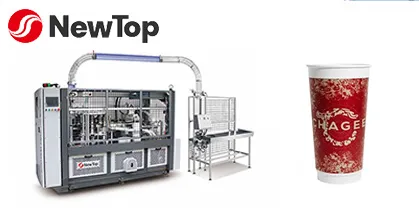
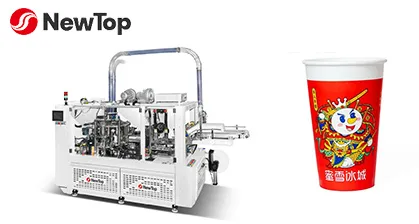
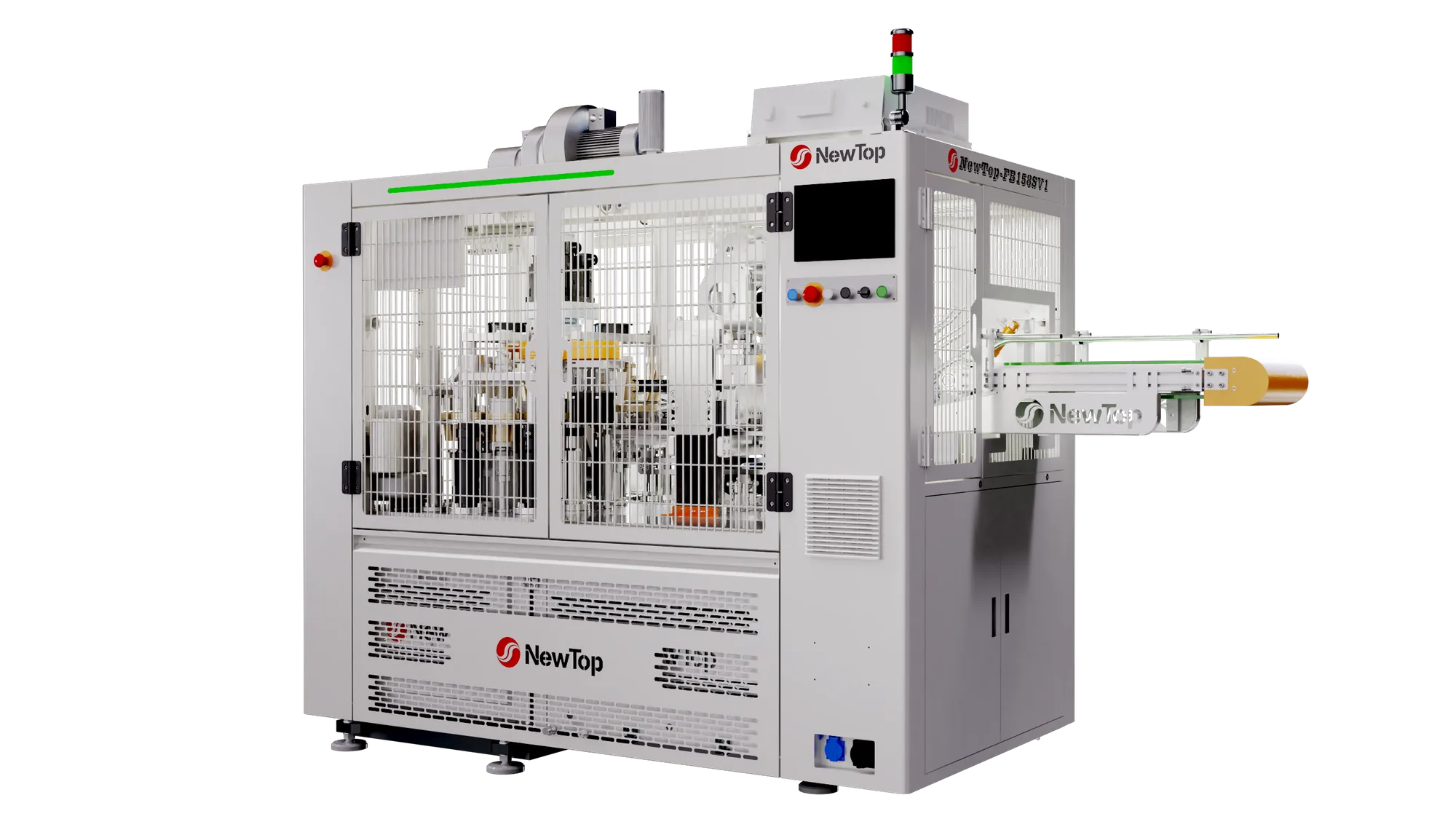
2.5oz-12oz Paper Cup Size
168-175 pcs/min Max Capacity
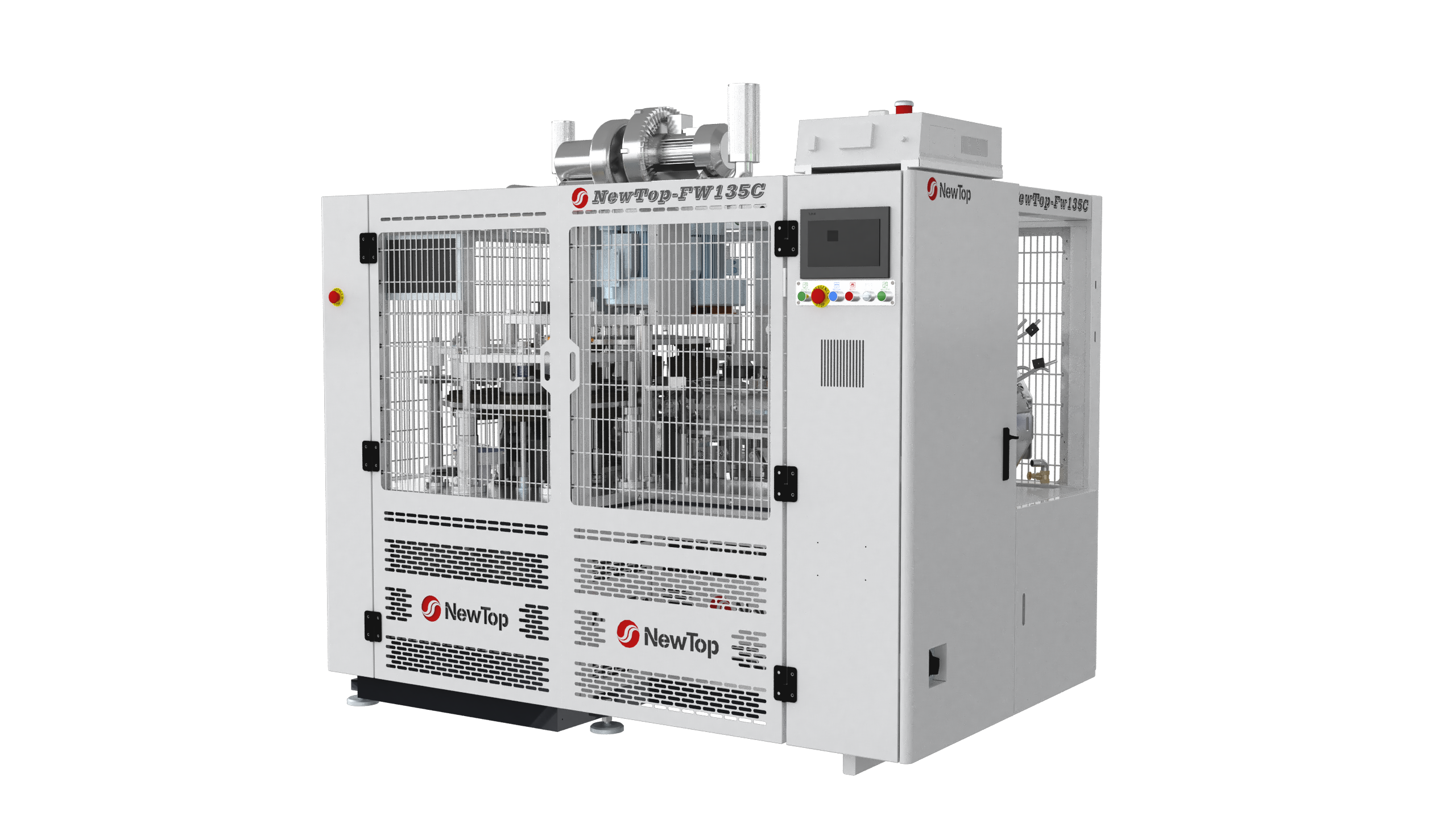
16-42oz Paper Cup Size
140 pcs/min Max Capacity
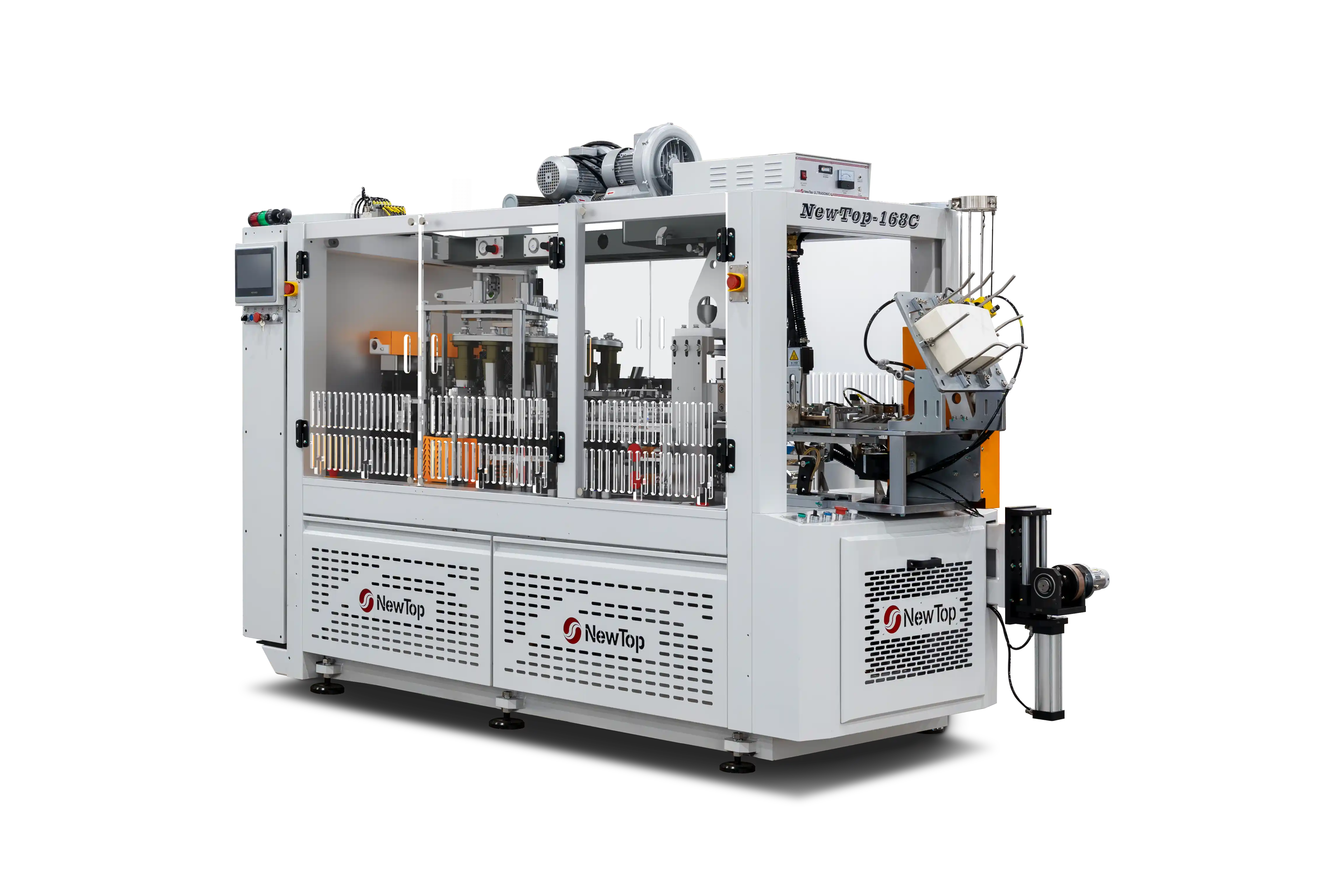
16-22oz Paper Cup Size
138 pcs/min Max Capacity


NewTop people pursue the concept of high quality and technology leading.
By changing the working mode with intelligent paper cup machine to make the operation more and more simple.
Fengzhai Natural Village,Wandu Village, Wanquan Town, Pingyang County, Zhejiang Province,China