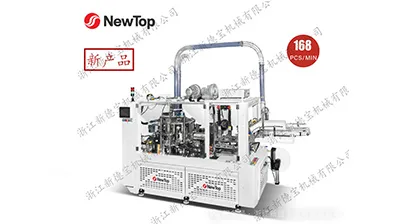

New Debao people pursue the concept of high quality and technology leading.
By changing the working mode with intelligent paper cup machine to make the operation more and more simple.

A cafe owner in Portland recently made a surprising purchase: a compact cup forming line for their back room. Now they print seasonal designs on every cup, change artwork weekly, and still keep cup cost lower than their previous supplier.
Meanwhile, a packaging giant in Vietnam added three high-speed lines to serve fast-food chains across Southeast Asia. Same technology category. Radically different business models.
Who actually uses cup-forming equipment? The answer has expanded far beyond traditional paper packaging companies. This article walks through four distinct use cases — from micro-producers to industrial-scale operations — and what makes each one work.
The scenario: A coffee brand with 20+ locations spends $50,000 monthly on custom-printed cups. Lead times from external suppliers run 6–8 weeks. Minimum order quantities force them to stock months of inventory.
The solution: In-house cup production with integrated printing. Compact lines (under 6 meters) running at 40–80 cups per minute are now available with quick-change die sets. Staff can switch between three cup sizes in under 20 minutes.
Real-world example: A regional coffee roaster in the UK installed a line in 2023. Their cost per cup dropped from 0.12 to 0.07 (including labor and energy). More importantly, they now run limited-edition cup designs for holidays with zero minimum order — just change the printing plate and run 500 cups.
Key equipment requirements for this use case:
Compact footprint (under 15 m² total)
Integrated printing (flexo or digital)
Fast changeover (under 25 minutes)
Operator-friendly interface (cafe staff, not factory mechanics)
Voltage compatibility with commercial (not industrial) power
Typical investment range: 35,000–35,000–90,000 for a complete starter line with printing.
ROI expectation: 12–18 months, primarily from material cost savings and the elimination of minimum order waste.
You use over 200,000 cups annually
Custom printing is important for your brand
You have space and a responsible team member for the operation
Cup design changes more than 4 times per year
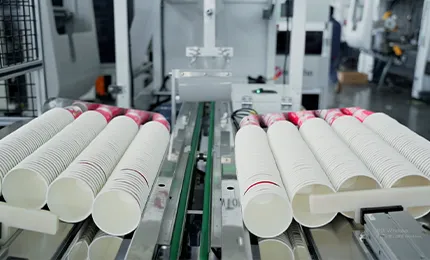
The scenario: A mid-sized packaging converter supplies cups to distributors, event organizers, and corporate clients. They run 8–12 different cup sizes across PE-coated, PLA, and double-wall constructions.
The solution: Multi-line operations with dedicated lines for high-volume SKUs and flexible lines for short-run custom work. Running speeds typically range from 100 to 180 cups per minute.
Operational reality: One plant manager we spoke with runs three lines: one dedicated to 12oz PE (running 22 hours/day, 6 days/week), one for 8oz and 16oz changeovers (3–5 changeovers per shift), and one for PLA and test runs.
Critical features for this segment:
Recipe storage for at least 50 cup configurations
Energy efficiency (lines run long hours)
Predictive maintenance alerts
Compatibility with multiple paperboard grades
Data logging for customer traceability requests
Typical investment range: 80,000–80,000–250,000 per line, depending on speed and automation.
ROI expectation: 18–30 months. Slower payback but lower risk due to established customer base.
Common mistake to avoid: Buying the fastest line available without analyzing your actual order mix. One company purchased a 250 CPM line,e but their average batch size was 30,000 cups — the line spent more time in changeover than production. A 150 CPM line with rapid changeover would have delivered more good cups per shift.
The scenario: A promotional products company gets orders for branded cups for music festivals, corporate events, and political campaigns. Each order is different. Quantities range from 5,000 to 200,000 cups. Deadlines are tight — often 10 days from artwork approval to delivery.
The solution: High-flexibility lines optimized for rapid changeover and digital printing integration. Speed matters less than setup efficiency. 60–100 CPM is usually sufficient if the changeover takes under 15 minutes.
What makes this use case unique: Material waste tolerance is different. For a 10,000-cup order, scrapping 500 cups during setup is 5% waste — acceptable if it means meeting the deadline. For a packaging company running 2 million cups, that waste level would be catastrophic.
Equipment priorities:
Digital or semi-rotary printing (no plates to change)
Servo-driven changeover (push-button size adjustments)
Batch counters with automatic stop at target quantity
Quick-clean features for color changes
A specialist's tip: “We keep pre-configured die sets for our seven most common cup sizes,” says an Ohio-based event supplier. “Each set is stored in a foam-lined case. Changeover is literally pull one set, slide in the next, load recipe from USB drive. Twenty minutes from festival, 12oz to corporat,e 8oz.”
Typical investment range: 50,000–50,000–120,000 for a flexible line without industrial-speed requirements.
ROI expectation: 12–20 months, driven by capturing custom-order premium pricing (often 2–3× standard cup pricing).
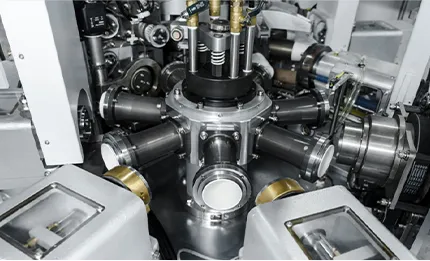
The scenario: A company that fills cups with products — ice cream, yogurt, nuts, or sauces — decides to make its own cups instead of buying them. They already have filling and packaging lines. Adding cup production upstream creates a fully integrated operation.
The advantage: Cup specifications are standardized (one size, one material, one print design for years). No changeover complexity. The goal is the lowest possible cost per cup at high volume.
The solution: High-speed mechanical or servo-hybrid lines running 180–250 CPM. Often paired with an automated conveyor feeding directly to the filling line. No printing needed (or simple single-color print).
Real metrics from a European ice cream manufacturer (2024 installation):
Before: Purchasing cups at €0.09 each from an external supplier
After: In-house production at €0.058 per cup (including depreciation, labor, energy)
Volume: 18 million cups annually
Annual savings: €576,000
Line cost: €210,000 fully installed
Payback: 4.4 months
Critical requirements:
24/7 reliability (no single point of failure)
Bulk paperboard handling (pallet dereeler with splicing)
Integration with existing automation (PLC communication)
Spare parts strategy (keep critical heaters, sensors, belts)
Investment range: 120,000–120,000–350,000 for high-speed dedicated lines.
ROI expectation: Under 12 months for high-volume users.
| Factor | Coffee Chain | Packaging Co. | Event Specialist | Industrial User |
|---|---|---|---|---|
| Annual volume | 200k–1M cups | 5M–50M cups | 100k–2M cups | 10M–30M cups |
| Changeovers/week | 1–3 | 5–20 | 10–30 | 0–1 |
| Primary driver | Branding + cost | Customer mix | Speed to market | Cost reduction |
| Printing need | High (full color) | Medium | High (short-run) | None or simple |
| Line speed needed | 40–80 CPM | 100–180 CPM | 60–100 CPM | 180–250 CPM |
| Automation level | Basic | Medium-High | Medium | High |
If you're new to cup production, don't try to serve all four use cases at once. Start with the one that matches your existing business strengths:
Already run a coffee business? Start with Use Case #1 (vertical integration). The learning curve is gentlest, and you already understand cup quality expectations.
Already supply packaging? Start with Use Case #2, but dedicate one line to high-volume standard cups first. Add flexible lines after you've built operator experience.
Already do promotional products? Start with Use Case #3. Your customers already accept premium pricing for customization.
Already fill cups with product? Start with Use Case #4. The math is simple, and you have the engineering team to support integration.
[Image: Decision flowchart matching business type to recommended use case]
“Do I need printing on the same line?” – If you need any printing beyond simple one-color logos, yes. Adding a separate printing step offline doubles handling labor and creates misregistration risks.
“Can one line handle both PE and PLA?” – Yes, but requires a wider temperature range (180–300°C) and heater zones. Some lines need different forming mandrels because PLA shrinks differently.
“What about used cup recycling?” – That's a separate business. Cup production equipment makes new cups. Recycling lines are entirely different machinery.
“How much floor space?” – A complete line with printing, cup former, and packaging table typically needs 20–30 square meters plus paper roll storage. Compact lines for cafes go down to 10 square meters.
Cup forming equipment isn't one-size-fits-all. A line that makes sense for a multinational packaging company would overwhelm a cafe owner. A cafe-friendly compact line would frustrate an industrial user running 24/7.
The key is matching equipment capabilities — speed, changeover flexibility, printing integration, automation level — to your specific use case. When that alignment happens, the business case becomes clear.
If you're still unsure which configuration matches your business model, Newdebao offers modular systems that scale from cafe-friendly compact lines to high-speed industrial configurations. The same platform adapts to your use case — you only pay for the capabilities you need.
Explore system options by use case and request a configuration recommendation.
[View Newdebao's use-case-based cup forming system guide]
UK coffee roaster case study – internal operational data shared under NDA (2023)
Ohio event supplier interview – conducted September 2024
European ice cream manufacturer – financial data from 2024 installation (company name redacted)
Industry volume benchmarks – compiled from multiple anonymous sources (2022–2024)
All images are for illustrative purposes only
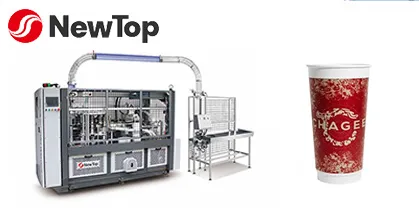
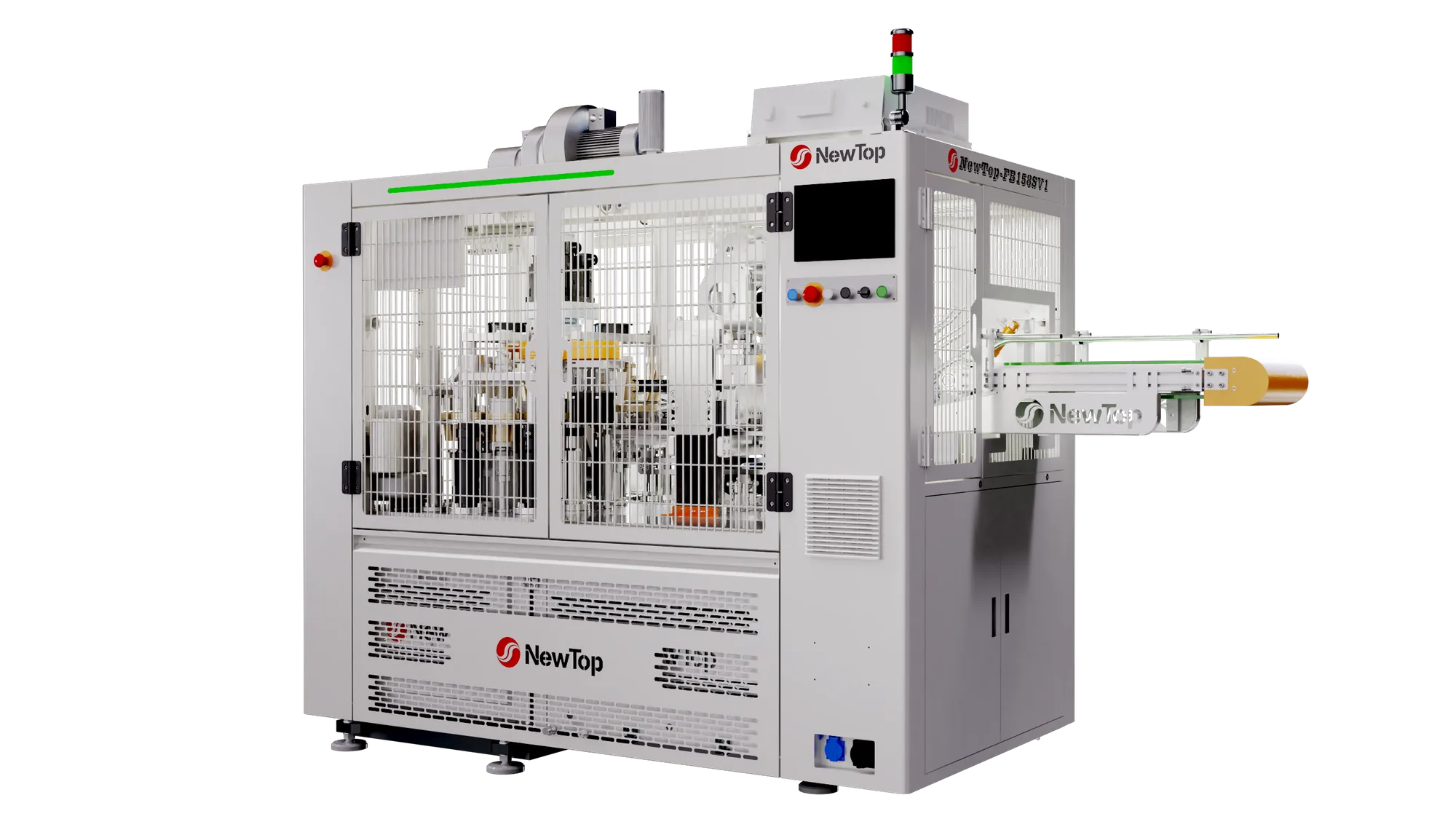
2.5oz-12oz Paper Cup Size
168-175 pcs/min Max Capacity
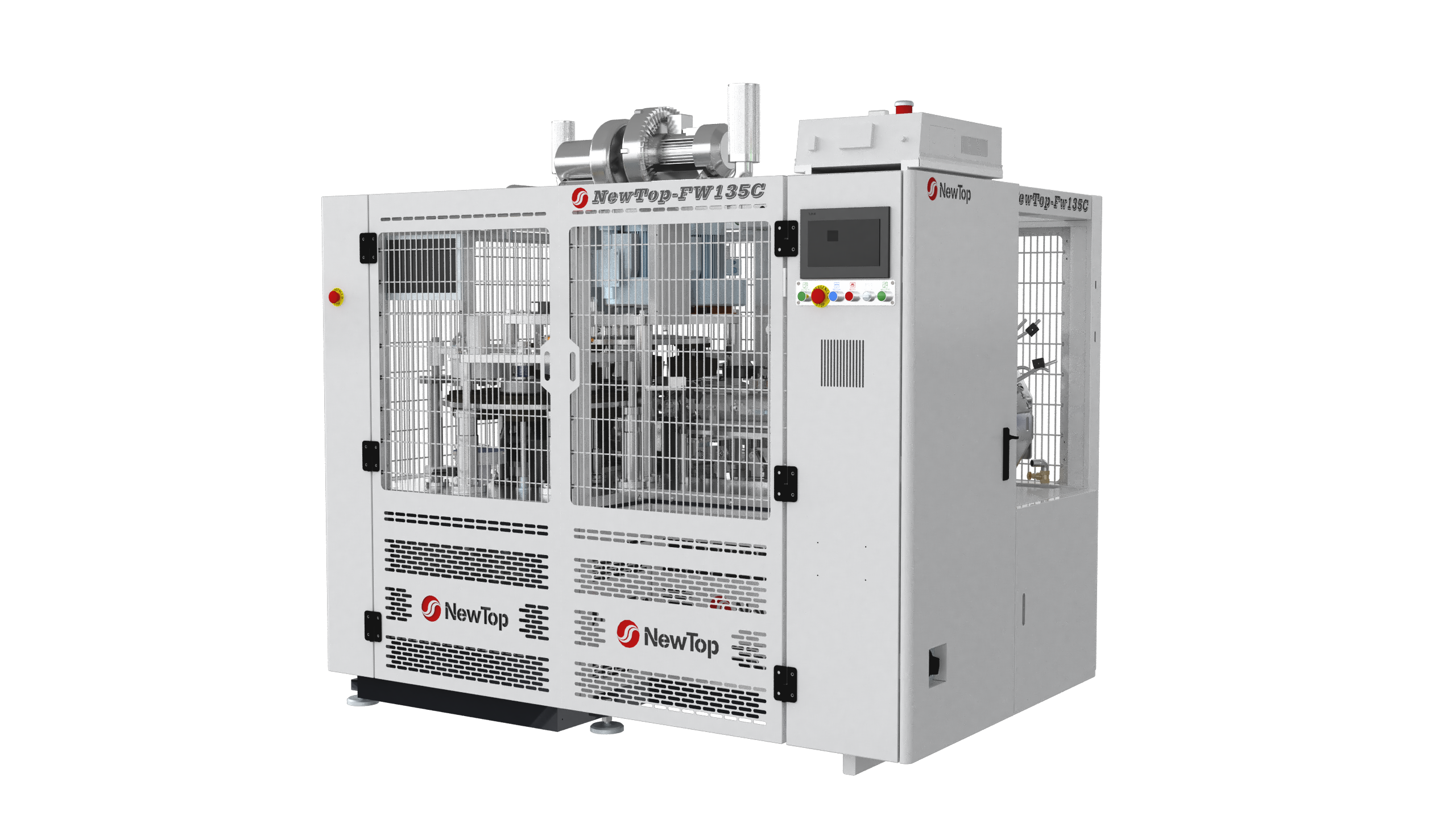
16-42oz Paper Cup Size
140 pcs/min Max Capacity
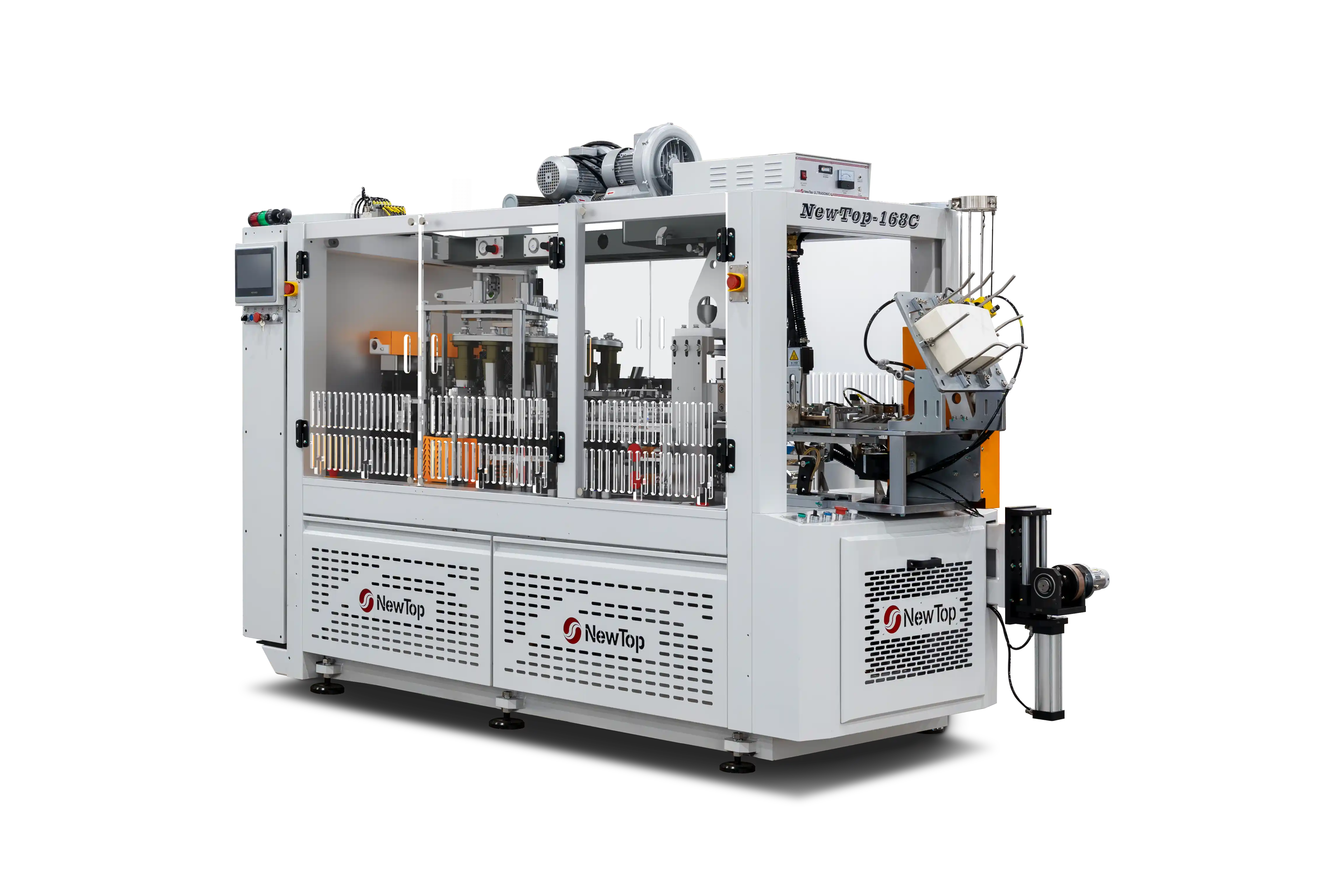
16-22oz Paper Cup Size
138 pcs/min Max Capacity


New Debao people pursue the concept of high quality and technology leading.
By changing the working mode with intelligent paper cup machine to make the operation more and more simple.
Fengzhai Natural Village,Wandu Village, Wanquan Town, Pingyang County, Zhejiang Province,China