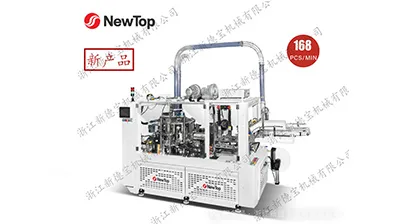

NewTop people pursue the concept of high quality and technology leading.
By changing the working mode with intelligent paper cup machine to make the operation more and more simple.

When you walk into a medium-scale cup manufacturing workshop, the first thing you notice is how the machines are arranged. Some plants look like a tidy assembly line stretching along the wall; others have compact, tower‑like units clustered together. That visual difference usually tells you one thing: horizontal layout versus vertical layout.
For business owners upgrading from semi‑automatic lines or setting up a new facility, this decision isn’t just about floor space. It affects changeover time, operator fatigue, maintenance ease, and ultimately your cost per cup. Let’s break down the real‑world trade‑offs so you can choose the layout that wins for your production goals.
[Image: Workshop comparison showing a long horizontal cup machine line vs. a row of vertical tower-style machines]
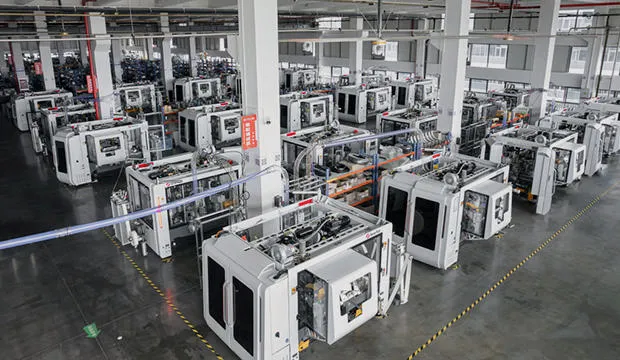
Vertical paper cup machines are champions of compact footprints. Their design stacks forming stations vertically, so a single unit might occupy only 2–3 square meters. This makes them attractive for small workshops or startups with limited real estate. However, what you save in floor space, you sometimes pay for in accessibility.
Horizontal machines stretch out linearly. They take more floor area – typically 6–10 meters in length – but offer unobstructed access to each station. For high‑volume producers, this layout wins because operators can walk alongside the entire process: from paper feeding to bottom curling to rim rolling. Troubleshooting a jam or adjusting a heater takes seconds, not a ladder climb.
Pro decision tip: If your workshop has narrow aisles but generous length, a horizontal configuration might actually use space more efficiently than several vertical units requiring front/back clearance.
Rated speed numbers can be misleading. A vertical machine might claim 80–100 cups per minute, while a horizontal unit may spec 120–150 cups per minute. But sustained throughput depends on two hidden factors: reel change time and misalignment recovery.
Horizontal designs typically allow paper reel loading from the side or rear without stopping the line – a continuous operation advantage. Vertical machines often require the reel to be lifted overhead, which means pausing production. Over a 10‑hour shift, those 2‑minute stops add up to hundreds of lost cups.
Another critical difference is mold alignment. Horizontal systems use gravity‑assisted material flow; the paper web moves straight through, reducing lateral stress. This results in fewer misfeeds, especially for coated paper or embossed stock. Vertical machines rely on precise cam timing; any slack in the paper path creates wrinkled side seams – a leading cause of rejected cups.
Modern cup manufacturers often run multiple sizes: 8 oz, 12 oz, 16 oz, and even a custom 22 oz for specialty coffee. Changing between these sizes requires swapping forming molds, punches, and bottom knurling tools.
On a vertical machine, mold change is a gymnastic exercise. You’re reaching into a vertical stack, often removing guard panels from multiple levels. The average changeover time reported by shop floor managers is 45–90 minutes.
Horizontal machines, by contrast, provide drawer‑style or slide‑out mold carriers. You unlock two clamps, slide the entire forming unit out, and replace the mold set at waist height. Experienced teams can complete a size change in under 20 minutes. For a plant running three size changes per day, that’s over two hours of extra production time – every single shift.
| Feature | Vertical Layout | Horizontal Layout |
|---|---|---|
| Access to the drive train | Limited – motors and cams are stacked | Full – side panels open to linear layout |
| Lubrication points | Multiple levels, hard to reach | Single plane, easy visual check |
| Heater band replacement | Requires the disassembly of upper stations | Exposed from the side – 10 min job |
| Average MTTR (Mean Time To Repair) | 2–4 hours | 45–90 minutes |
Data source: Internal maintenance logs from 12 cup plants (2023–2024), anonymized.
The maintenance table above tells a clear story: horizontal designs reduce technician fatigue and repair time. For plant managers, this translates directly to higher Overall Equipment Effectiveness (OEE).
Vertical cup machines have a lower sticker price – typically 15–25% less than comparable horizontal models. That tempts many startups. But consider the total cost of ownership over five years:
Labor: Vertical machines often need one operator per two units due to difficult access. Horizontal lines allow one operator per four units.
Scrap rate: Horizontal machines consistently show 0.5–1% lower scrap due to better paper tension control.
Energy: No significant difference when comparing similar servo‑drive systems.
If you’re running two shifts daily, the horizontal layout usually breaks even within 18–24 months, then delivers higher net profit afterwards.
Choose vertical layout if:
Floor space is extremely tight (under 50 sq meters)
You run only one or two cup sizes (rarely change tooling)
Your daily output is below 50,000 cups
Budget is the primary constraint
Choose horizontal layout if:
You plan to grow into multiple cup sizes
Labor cost is high (e.g., Europe, North America)
You run continuous shifts (low tolerance for changeover downtime)
Your target is 100,000+ cups per day
For most commercial cup manufacturers aiming for scalability, horizontal wins – not just on raw speed, but on operational flexibility and maintenance efficiency.
Every workshop has unique constraints – ceiling height, existing power drop locations, and even operator skill level. The best way to validate your choice is to request layout simulations based on your actual floor plan and target cup sizes.
If you’re leaning toward a horizontal solution that balances speed with intelligent control, you can explore high‑speed cup forming solutions designed for quick mold change. The team there provides free layout consultation and ROI calculators – no obligation.
For vertical layouts, ensure your supplier demonstrates a live mold change during factory acceptance testing. Watch how many tools they need and how long it actually takes.
Final word: Don’t chase the highest rated speed per minute. Chase the lowest total cost per thousand cups after factoring in changeovers and maintenance. That number – not the brochure spec – decides the winner.
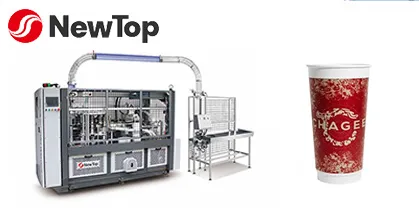
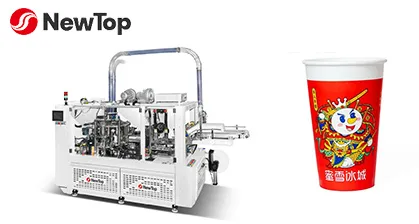
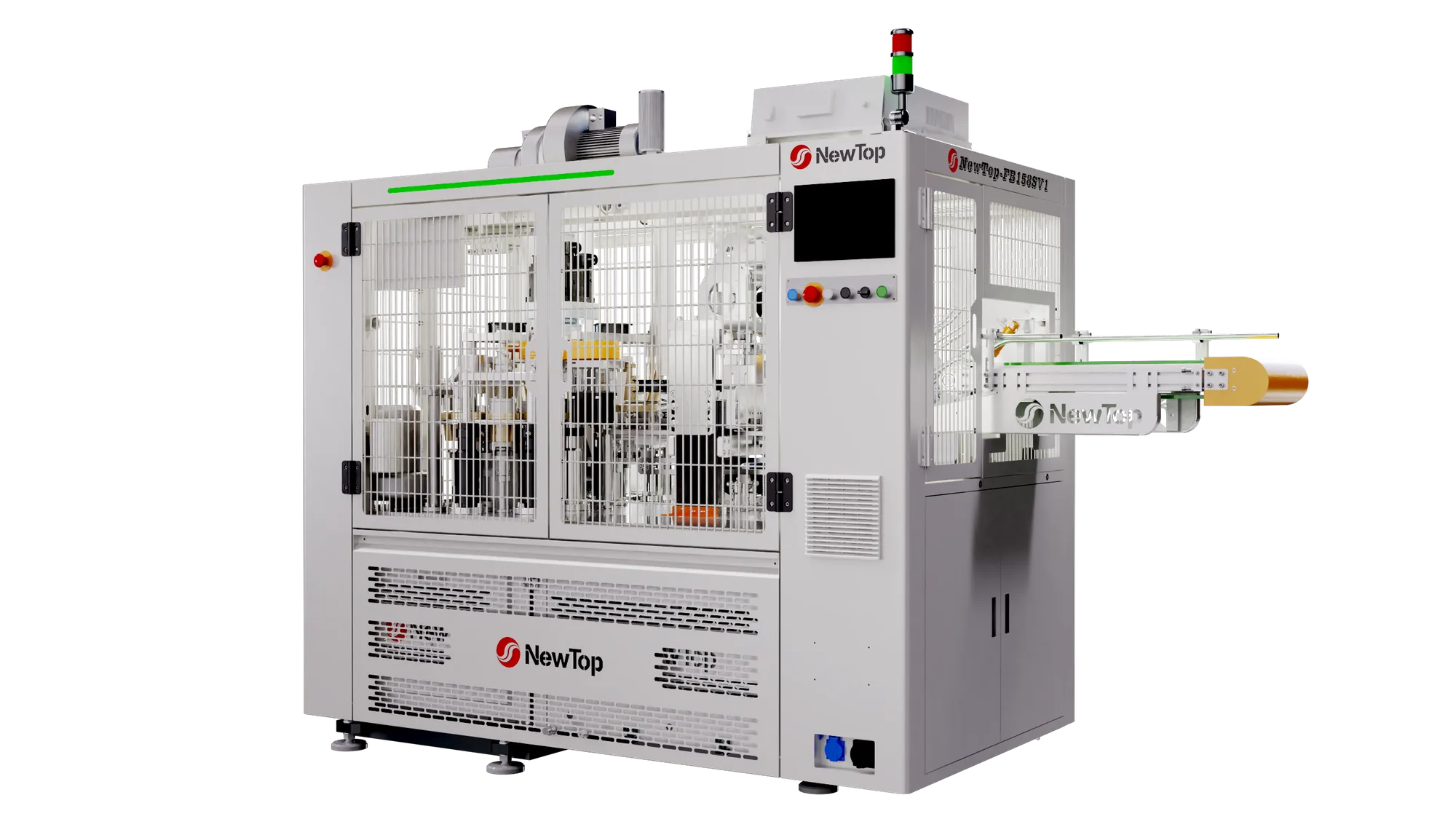
2.5oz-12oz Paper Cup Size
168-175 pcs/min Max Capacity
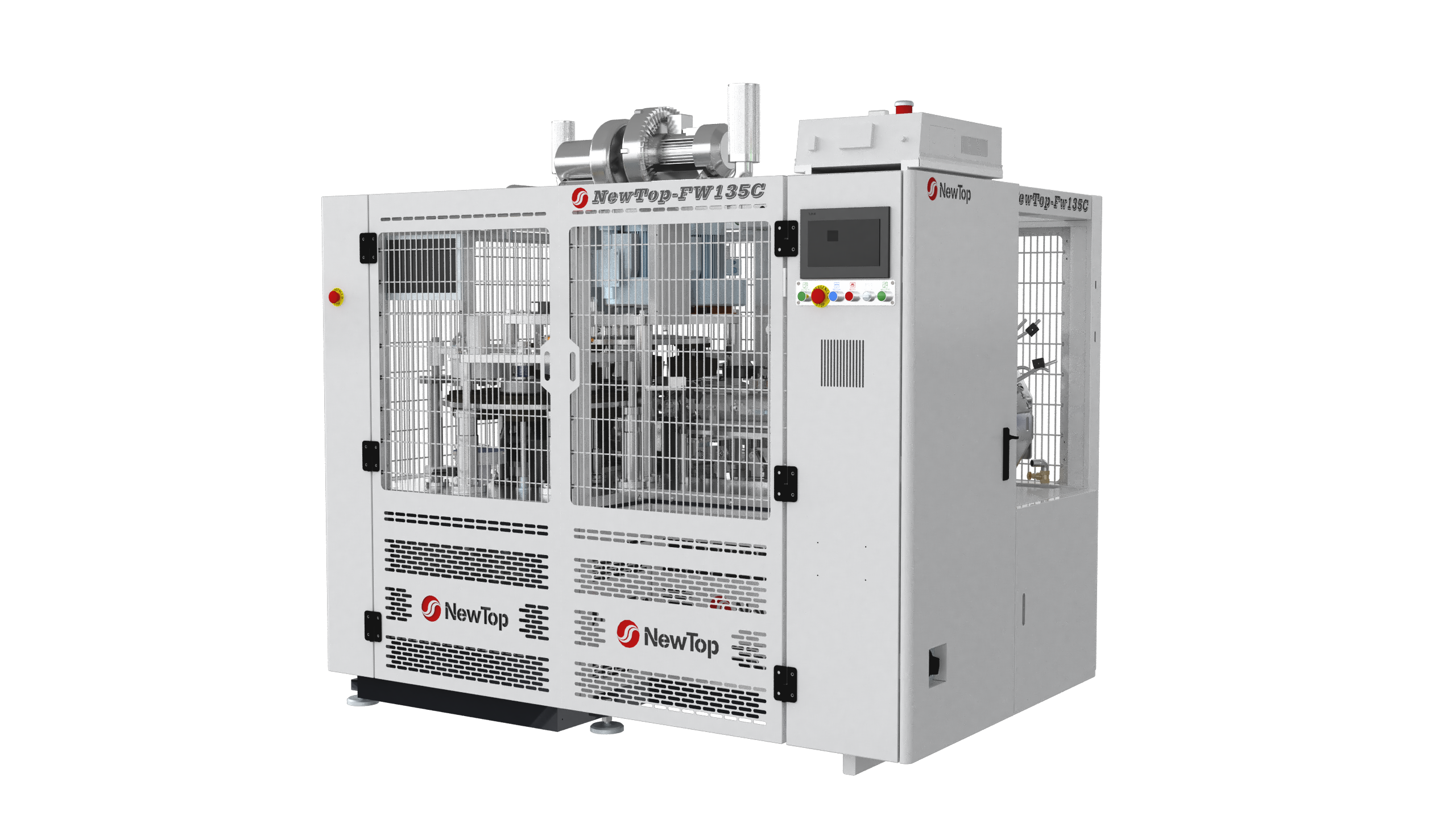
16-42oz Paper Cup Size
140 pcs/min Max Capacity
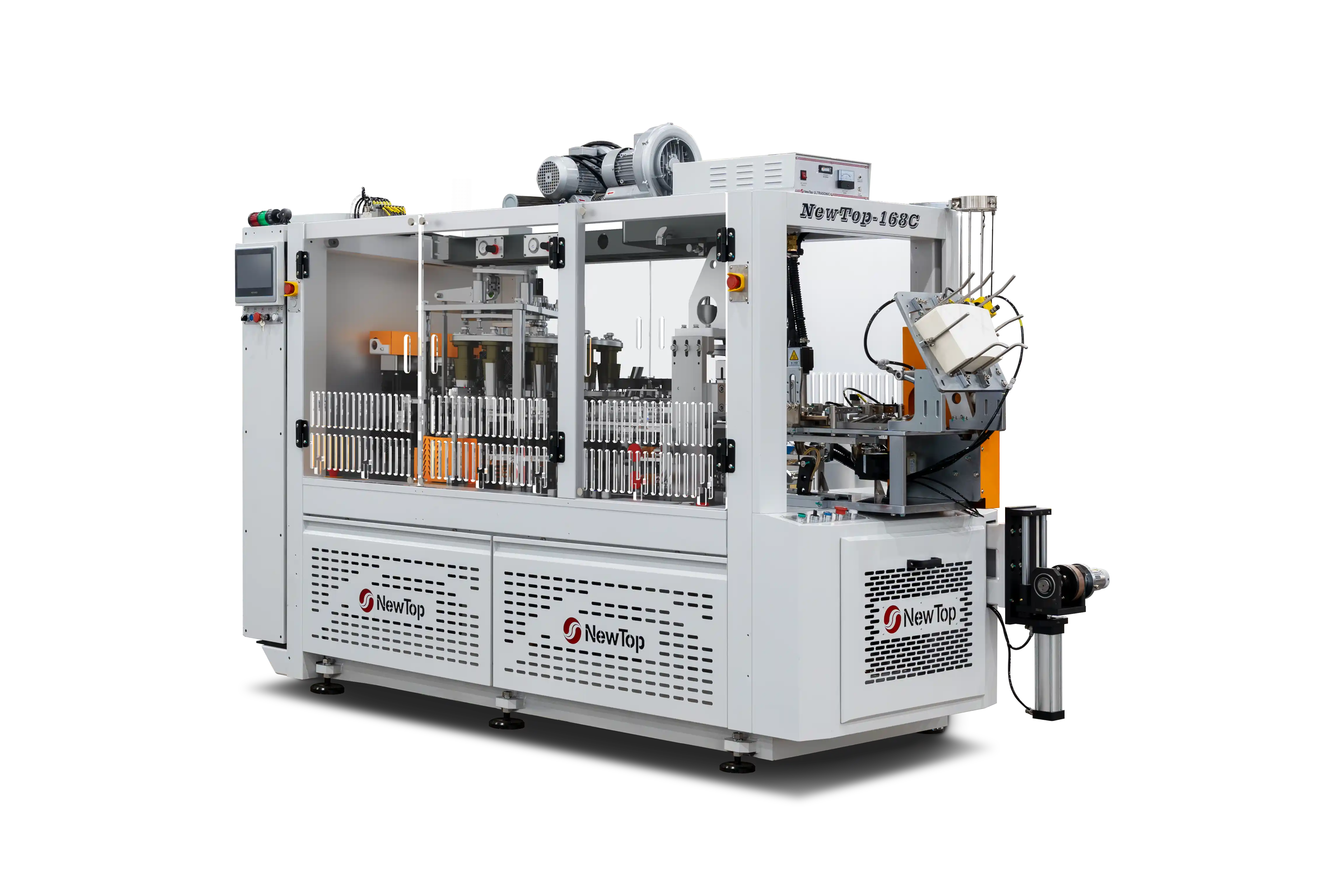
16-22oz Paper Cup Size
138 pcs/min Max Capacity


NewTop people pursue the concept of high quality and technology leading.
By changing the working mode with intelligent paper cup machine to make the operation more and more simple.
Fengzhai Natural Village,Wandu Village, Wanquan Town, Pingyang County, Zhejiang Province,China