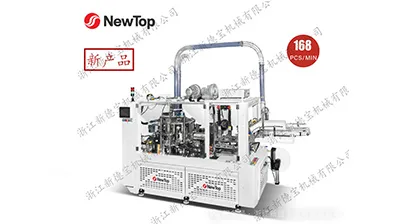

NewTop people pursue the concept of high quality and technology leading.
By changing the working mode with intelligent paper cup machine to make the operation more and more simple.

Every production manager knows the frustration: you invest in what looks like a capable double-wall paper cup sleeve machine, only to discover three months later that it cannot handle your required paper weight, jams constantly on high-speed runs, or consumes more energy than anticipated.
Choosing the right equipment for insulated cup sleeves is not merely about comparing price tags. It is about matching technical specifications to your actual production environment, material supply, and quality standards.
This guide walks through four critical decision layers. By the end, you will have a clear framework for evaluating suppliers and avoiding the most expensive mistake in sleeve making: buying a machine that technically works but practically underperforms.
Before requesting any quotes, calculate your baseline needs. Three questions matter most:
What paper weight range will you run?
Single-wall sleeves typically use 170–250 gsm paper. Double-wall applications often require 250–350 gsm, sometimes with laminated layers. Not every machine handles heavier stock evenly. Some models struggle with scoring consistency when paper weight varies by more than 30 percent.
What is your target output speed?
A machine rated at 80 pieces per minute on 200 gsm paper might drop to 50 pieces per minute on 320 gsm with aluminum foil backing. Ask for speed ratings across your actual material range, not just ideal conditions.
What sleeve dimensions are non-negotiable?
Height, wrap angle, and bottom fold depth vary by cup size. If you produce sleeves for 8 oz through 24 oz cups, ensure the machine adjusts without requiring new forming modules for every size change.
Why this matters for your ROI: Overspecifying on speed wastes capital; underspecifying on material capability creates chronic downtime. Get these three numbers right before comparing any other feature.
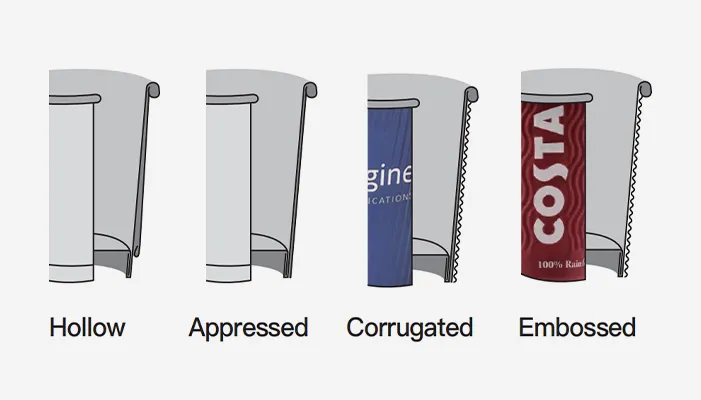
The mechanical heart of any sleeve-forming machine lies in its drive train. Two configurations dominate the market:
Servo-driven systems offer independent motor control for paper feeding, scoring, gluing, and folding stations. Benefits include:
Precise registration for pre-printed sleeves
Lower energy draw during idle periods
Faster job changeover
Clutch-brake mechanical systems use a central motor with mechanical engagement. They cost less upfront but come with trade-offs:
Higher baseline power consumption
Fixed motion profiles that cannot adapt to material variations
More frequent mechanical adjustments
For double-wall applications, a servo-driven configuration is strongly preferred. The reason: double-wall sleeves require two separate paper webs to be aligned and bonded. Any registration drift compounds across both layers. Servo systems correct micro-variations in real time; mechanical systems accumulate error until someone manually adjusts them.
If you are evaluating automation upgrades for your existing Paper Cup Making Machine line, servo-driven sleeve integration typically requires less modification to your material handling infrastructure compared to retrofitting mechanical units.
Inadequate bonding is the number one complaint among sleeve machine operators. The issue rarely comes from a weak adhesive. It comes from inconsistent application or insufficient drying time before stacking.
Three glue system types to know:
| System Type | Best For | Maintenance Frequency | Drying Time |
|---|---|---|---|
| Wheel applicator | Standard paper, clean shop environment | Weekly | 4–6 seconds |
| Spray nozzle | Textured or coated paper | Daily nozzle cleaning | 2–3 seconds |
| Slot die | High-speed double wall (250+ pieces/min) | Monthly | 1–2 seconds |
For double-wall sleeves, slot die systems deliver the most consistent adhesive layer thickness across both paper webs. However, they require a clean adhesive with consistent viscosity. If your facility experiences temperature swings (common in non-climate-controlled warehouses), specify a machine with heated glue tanks or viscosity monitoring.
Critical question for suppliers: "Show me your documented bond strength test results for 300 gsm double wall stock at 90 percent relative humidity." A supplier who hesitates or offers verbal assurances likely lacks real validation data.
Many buyers focus entirely on runtime speed while ignoring setup time. Consider this: a machine running at 100 sleeves per minute but requiring 90 minutes for size changeover may deliver fewer daily good parts than a slower machine with 15-minute changeovers, especially if you run multiple sleeve sizes daily.
Tooling cost checklist:
Are forming mandrels sold separately or included?
What is the lead time for replacement scoring rings?
Does the supplier stock wear parts for five years post-purchase?
Can you change cutting dies without specialized tools?
One overlooked factor: tooling compatibility across different machine brands. Some manufacturers use proprietary die mounting patterns specifically to lock you into their replacement parts. If you already operate multiple Paper Cup Making Machine units from different vendors, ask about tooling standardization. Every unique die set adds inventory cost and changeover complexity.
_1.webp)
Mistake 1: Prioritizing speed over material handling
A machine that jams every 200 cycles due to paper curl will never hit its rated speed. Ask for continuous run test data using your actual paper stock before purchase.
Mistake 2: Ignoring floor space and utilities
Double-wall machines with integrated drying tunnels require significantly more length than basic single-wall units. Measure your available space, including paper roll storage and finished sleeve collection.
Mistake 3: Skipping the spare parts audit
When a sensor fails or a belt breaks, how quickly can you get replacements? Suppliers with regional distribution centers typically ship critical parts within 24 hours. Others might take two weeks plus customs clearance.
Mistake 4: Not calculating the total cost of ownership
A lower-priced machine often consumes 30–40 percent more electricity per thousand sleeves. Over five years of two-shift operation, the energy difference alone can exceed the purchase price gap.
Mistake 5: Forgetting operator training
Even the most sophisticated equipment underperforms without proper training. Verify that the supplier provides on-site commissioning and documented standard operating procedures in your language.
For facilities already running Paper Cup Making Machine lines, adding standalone sleeve equipment creates a secondary workflow: producing sleeves, storing them, then feeding them to cup assembly. Some manufacturers now offer synchronized sleeve-cup integration where sleeve forming feeds directly into the cup assembly.
If you are evaluating fully automatic sleeve-making solutions, consider systems that share control architecture with your existing cup production. Unified human-machine interfaces reduce operator learning curves and simplify troubleshooting.
For production managers seeking reliable, energy-efficient sleeve-making systems, Newdebao's double-wall sleeve machine line includes servo-driven forming stations, slot die adhesive systems, and documented material validation across 200–350 gsm paper weights. Click here to review technical specifications and request material testing with your actual paper stock before committing to any purchase.
Before signing any purchase agreement, complete this three-step validation:
Run your material on the supplier's demonstration machine. Bring 500 pounds of your actual paper stock, not their optimized samples.
Interview service technicians separately from sales representatives. Ask about common failure modes and average response times.
Request three customer references running similar double-wall applications. Call them and specifically ask about changeover frequency and spare parts availability.
A well-chosen sleeve machine operates reliably for eight to ten years with proper maintenance. Rushing the selection process to save two weeks on delivery often leads to five years of compromised productivity.
This guide references common industry standards for paper cup sleeve manufacturing. Actual performance varies by material quality, installation conditions, and maintenance practices. Always validate technical claims with on-site material testing.
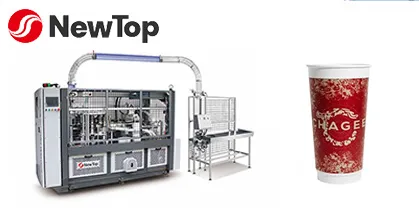
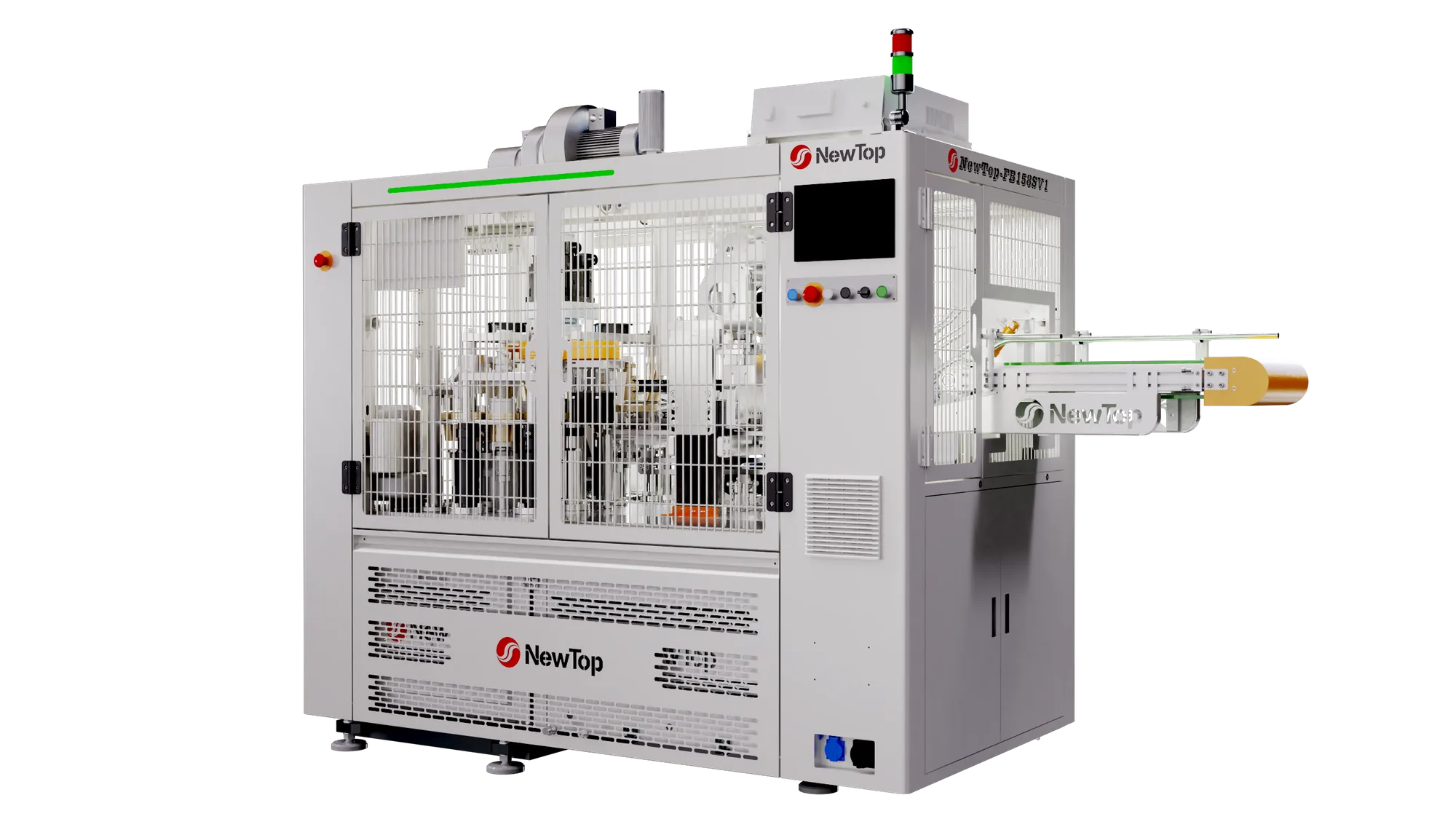
2.5oz-12oz Paper Cup Size
168-175 pcs/min Max Capacity
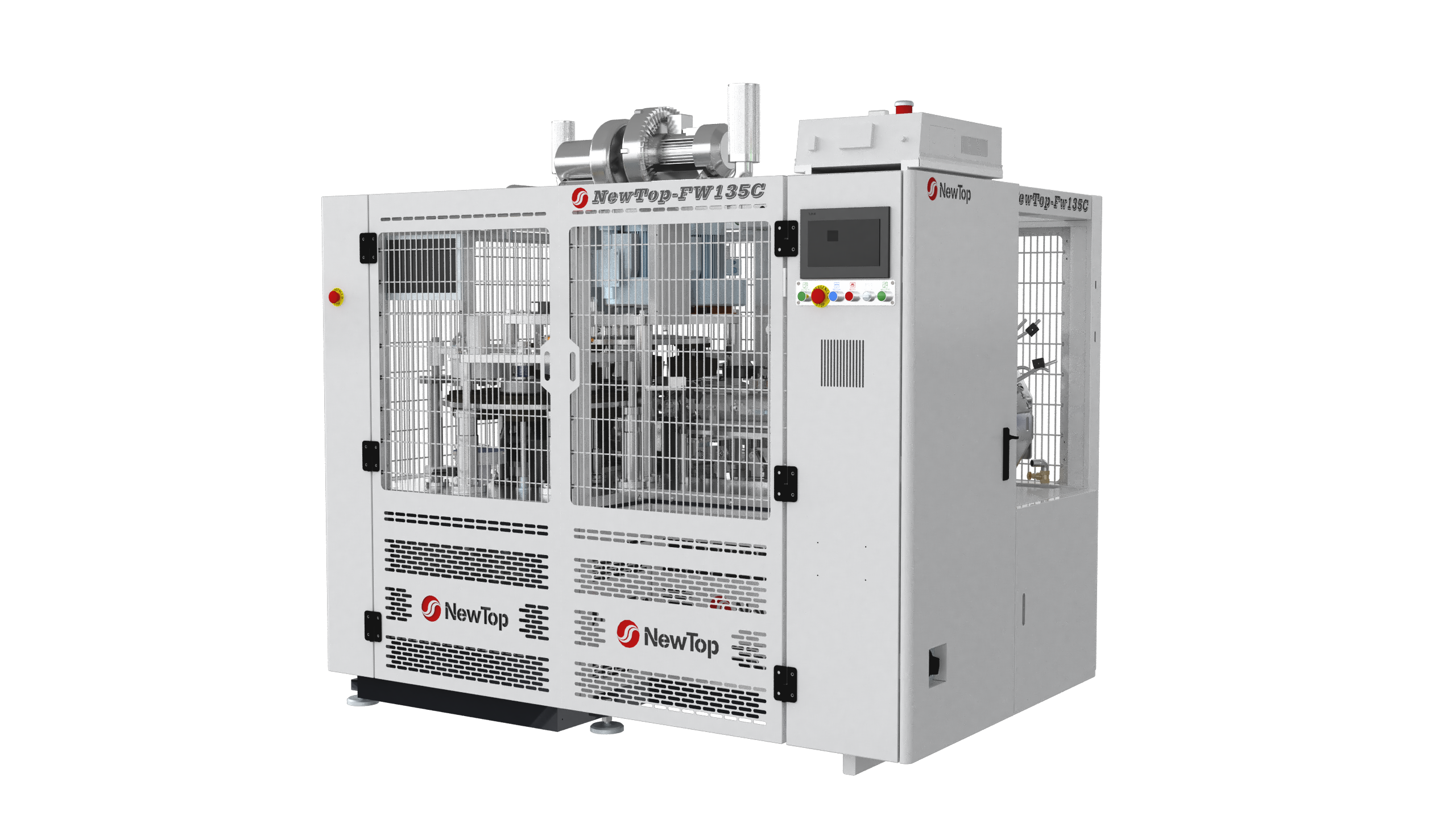
16-42oz Paper Cup Size
140 pcs/min Max Capacity
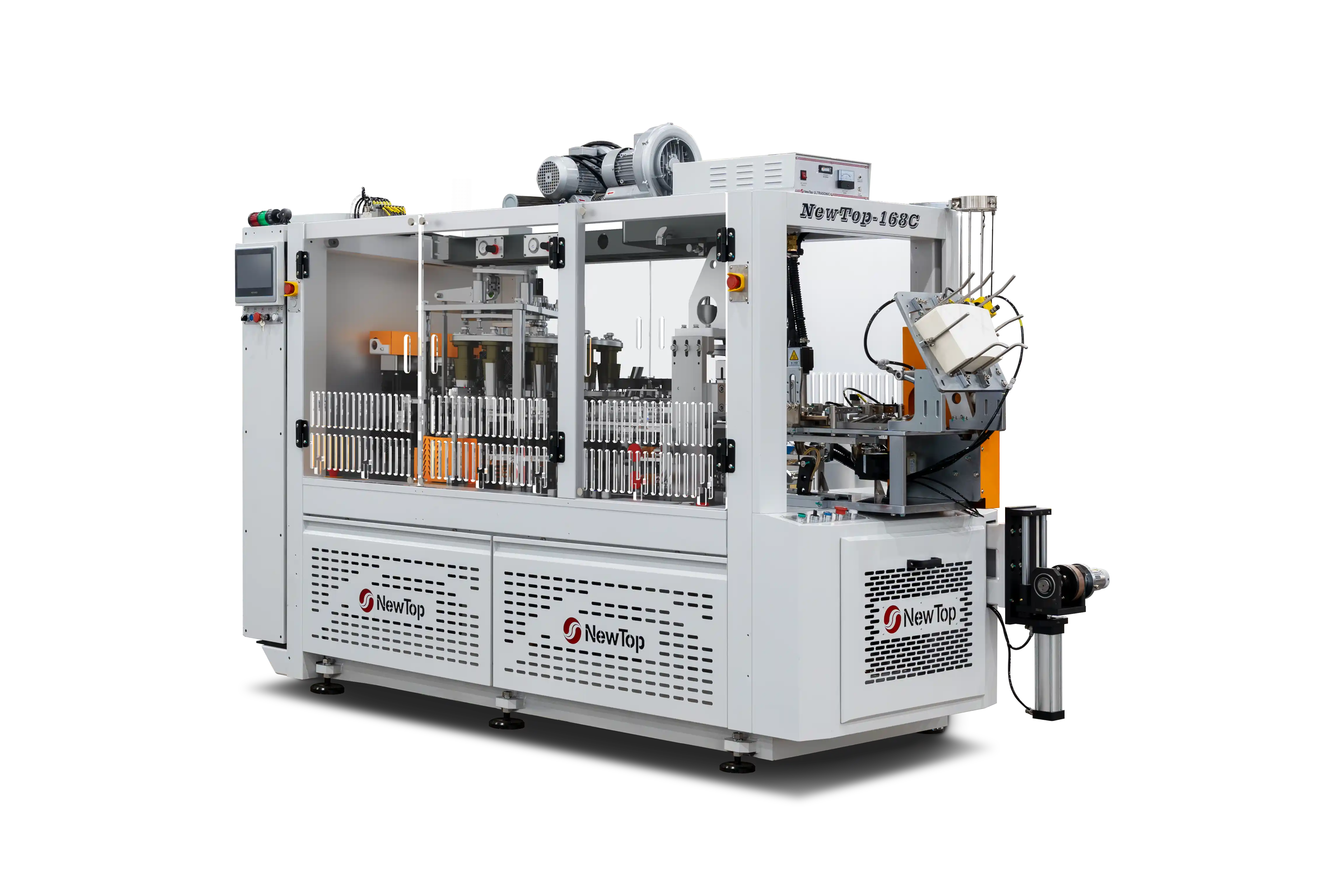
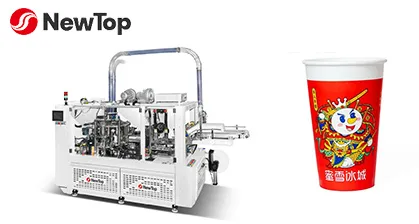
16-22oz Paper Cup Size
138 pcs/min Max Capacity


NewTop people pursue the concept of high quality and technology leading.
By changing the working mode with intelligent paper cup machine to make the operation more and more simple.
Fengzhai Natural Village,Wandu Village, Wanquan Town, Pingyang County, Zhejiang Province,China