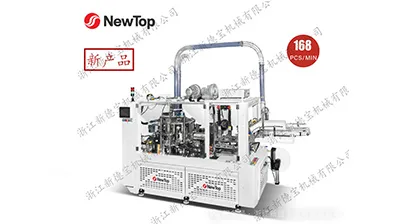

New Debao people pursue the concept of high quality and technology leading.
By changing the working mode with intelligent paper cup machine to make the operation more and more simple.

A packaging manager at a mid-sized food service packager once shared a frustration that resonates across the industry. Their facility had just invested significantly in what was marketed as a "high-speed machine." On paper, the mechanical speed was impressive. In reality, the line never consistently hit the target. The gap between theoretical maximums and real-world daily output was haunting their P&L.
The problem? They had purchased speed, not output.High output in automated paper cup production isn't a single specification. It is an integrated system where precision, synchronization, and material flow dictate success. If you are evaluating a way to meet surging demand for hot and cold drink cups, you are likely aiming for a solution that can deliver 80 to 120+ cups per minute, reliably, across shifts. This requires looking beyond the motor to the entire ecosystem of the production cell.
We’ve observed a pattern in high-demand scenarios. The bottleneck is rarely the forming station. It’s often the silent, overlooked processes that rob you of efficiency: the quality of the blank feeding, the recovery time after a jam, or the time lost during a size changeover.
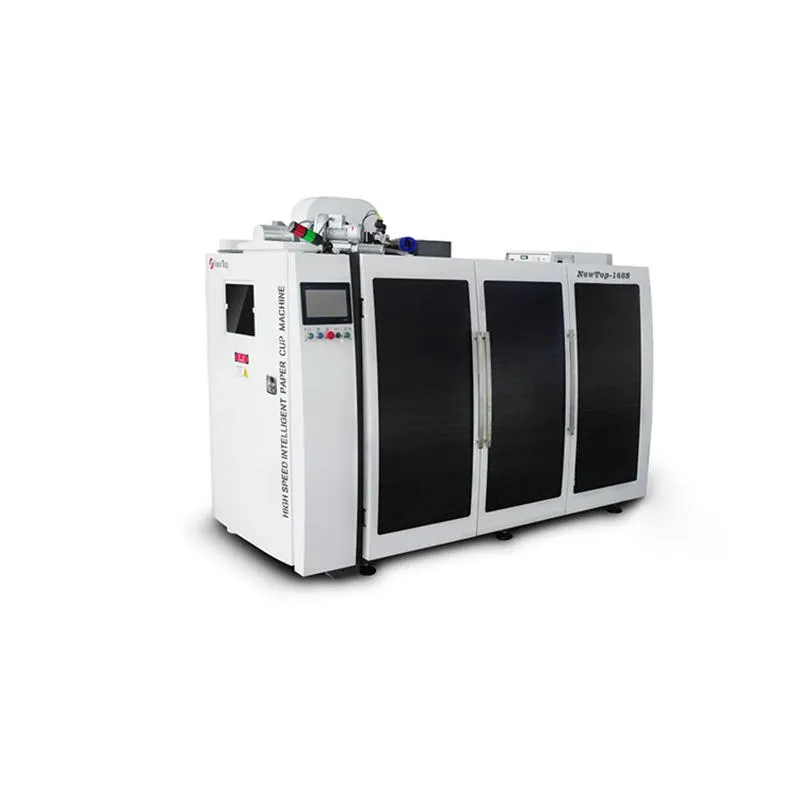
To understand why a rated speed of 120 cups per minute might only yield 85 saleable cups per minute, we need to dissect the downtime triggers. Industry data from packaging line audits consistently points to three culprits.
First is feeder reliability. At high speed, a single mis-fed blank can cascade into a jam that stops the machine for 60 seconds. If this happens three times an hour, your effective output plummets. This is where the precision of a servo-driven paper cup forming station makes a tangible difference. Unlike mechanical cams, a servo system can adapt feed timing on the fly to compensate for slight variations in paper thickness or static cling, dramatically reducing misfeeds.
Second is curing time adherence. Poly-coated paper requires precise heat application to form a liquid-tight seam. Simply increasing machine speed without proportionally extending the heating tunnel or transitioning to more efficient heating technology—such as high-frequency hot air systems—results in leaky cups, which means quality rejects and waste. The physics of adhesion cannot be rushed; they must be respected through intelligent machine design.
Third is changeover latency. In the era of just-in-time manufacturing, runs are shorter. If changing from an 8oz to a 12oz cup takes a crew 90 minutes, productivity dies. A modular mechanical design that utilizes quick-release mandrels and digital recipe management can reduce this to 20-30 minutes, directly improving your Overall Equipment Effectiveness (OEE). Evaluating the system architecture is crucial before you commit to a production asset. If you are ready to move from theoretical specs to actual floor performance, you can explore the engineering principles behind these high-output systems to see how they address mechanical latency.
A high-speed line is a hungry beast. It consumes paper at a staggering rate. A critical but often underestimated variable is the interface between the machine and the raw material. Operators often attribute inconsistent forming to a machine fault when the real root cause lies in the paper roll itself—specifically, the winding tension.
Industry standards like ISO 11093 (concerning cylindrical board cores) and the parameters governing roll hardness are essential here. If a roll is wound with uneven tension, the paper will not unwind smoothly under high-speed acceleration. This introduces micro-fluctuations in web tension that directly impact print registration accuracy and the consistency of the cup rim curl. The result isn't a hard stop; it's a slow bleed of efficiency through micro-jams and quality drift.
This direct experience matters because translating these technical tolerances to machine builders is key. When discussing specifications, leading operations often reference the need for closed-loop tension control. This system uses sensors to measure actual web tension at the infeed and automatically adjusts the unwind brake, maintaining a constant value regardless of roll diameter. This level of control, often facilitated by industrial communication protocols like EtherCAT, ensures that the forming station receives material with clockwork consistency. It’s this integration of mechanical and control precision that separates a complete solution from just a fast machine.
Another dimension of a complete automated paper cup production solution is its digital backbone. For a plant manager, unplanned downtime is the enemy. Reactive maintenance—fixing a machine when it breaks—is a direct tax on capacity. This is where Industry 4.0 concepts become practical, not just hype.
Modern control architectures now allow for extensive logging of machine parameters. Instead of operating blind, you can track the exact torque demands of the main turret motor over time. A gradual, statistically significant increase in torque can predict a bearing wear issue three weeks before it becomes a breakdown. Similarly, tracking temperature stability in the sealing zones helps ensure every cup meets safety standards for hot liquid containment.
This capability shifts maintenance from a calendar-based schedule to a condition-based strategy. For operations seeking to scale across multiple shifts or facilities, this visibility is non-negotiable. It transforms a production line into a transparent, manageable asset. When evaluating your roadmap for automation, consider how deeply embedded data connectivity is in the system you are considering. To get a deeper look at the control systems that enable this predictive maintenance approach, understanding the specific automation platforms available is a wise step.
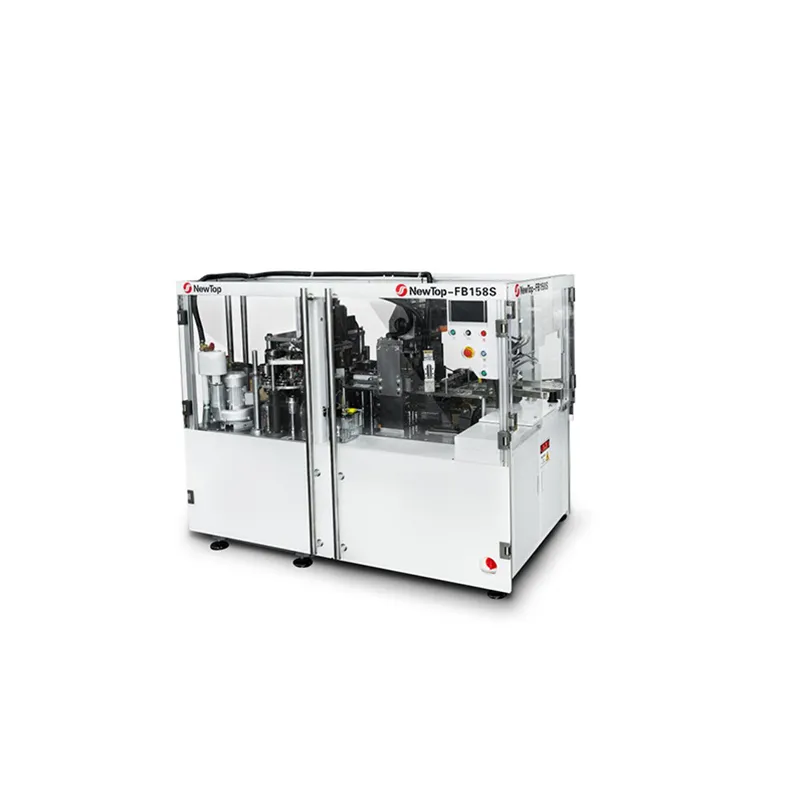
If initial capital expenditure is your primary filter, you risk missing the forest for the trees. A machine with a lower upfront cost but higher operational friction will erode its value over its lifecycle. The true measure is the cost per 1,000 perfectly formed, saleable cups—inclusive of labor, scrap, and maintenance.
Consider the hidden margins. A fully automated stacking and counting unit eliminates a manual counting station. This doesn't just save labor; it eliminates a contamination risk point and ensures shipping accuracy. Similarly, an integrated rim lubrication system for forming a tighter curl uses less raw material but creates a significantly stronger edge. These aren't trivial features; they are engineering decisions that directly impact your brand reputation and material cost savings.
Here are key questions to ask when mapping your requirements:
Does the solution offer closed-loop tension control as a standard integration?
What is the average real-world mechanical recovery time from a feeder misfeed, and how does it compare to the theoretical spec?
Is the size-changeover procedure guided by digital prompts, and are tooling connections modular?
What are the parameters of the heating system? Does it offer multi-zone PID control to prevent overheating and ensure consistent bonding?
These technical details form the bedrock of a resilient operation. When you're comparing different approaches to scaling up production, it helps to have a benchmark. For those in the evaluation phase, you may find it useful to explore application examples where these integrated systems are installed to see how they perform under real-world production pressures.
Reaching high output in paper cup manufacturing is a systemic challenge, not a single-variable fix. It demands a machine ecosystem where the feeder, forming station, curing system, and stacking unit are designed and controlled as a single, harmonious entity, ideally by a single engineering partner. The goal isn't just peak capacity for one hour; it's consistent, traceable, and profitable output across a fiscal year.
If your current high-output aspirations are being held back by the silent operational issues discussed here, you may need a platform built with an integrated philosophy from the ground up. For decision-makers aiming to embed this level of systemic thinking into their next capital investment, it's worth looking at how New Debao’s approach to automation addresses these interconnected variables. You can learn more about the specific configurations available to see if they align with your manufacturing roadmap. The path to higher output is paved with intelligent integration, not just speed.
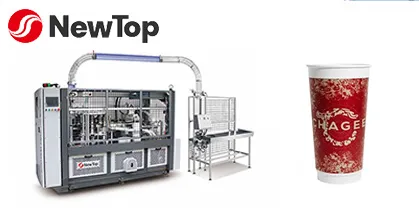
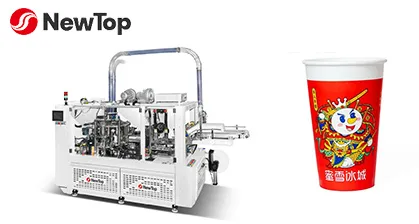
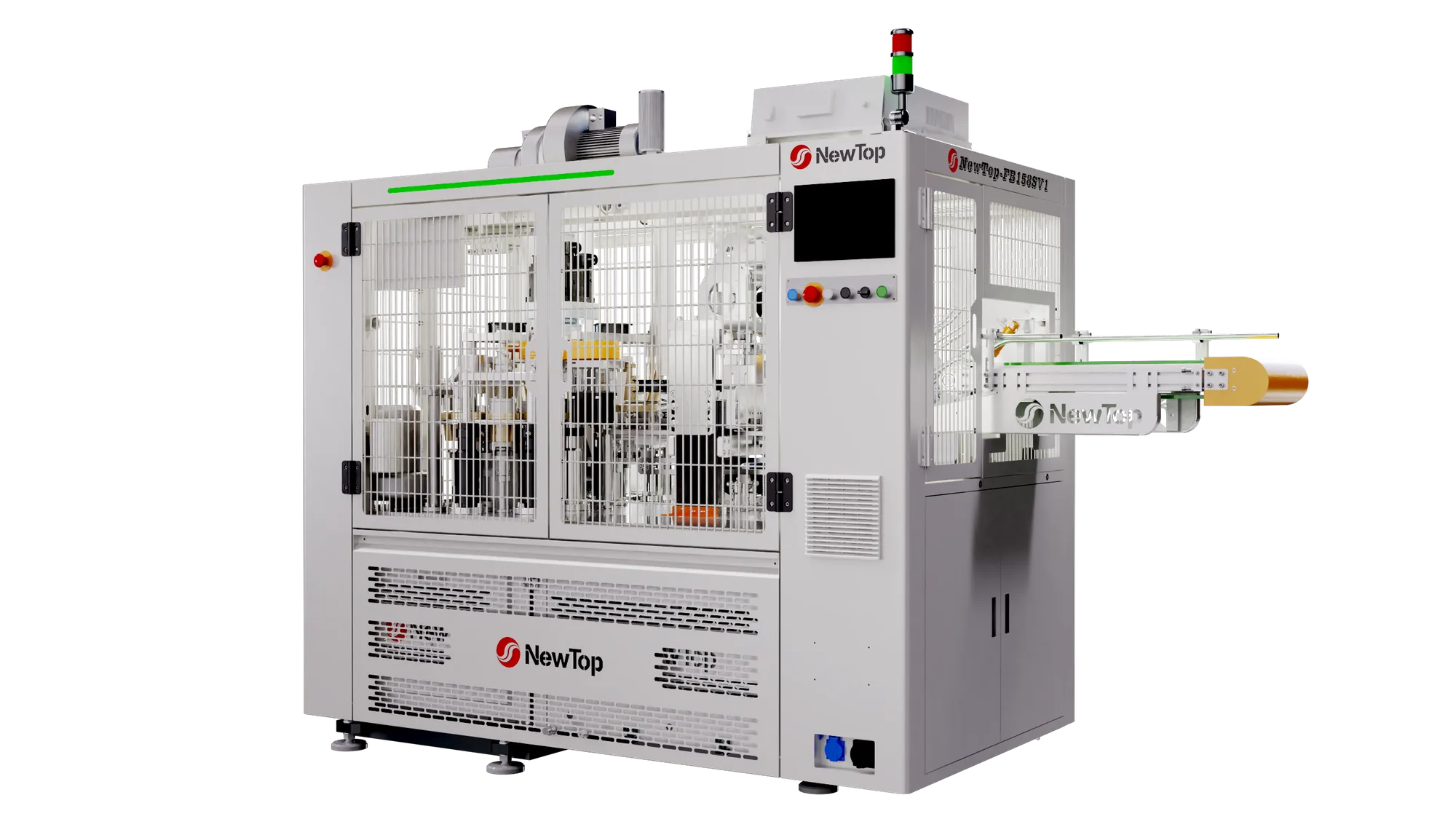
2.5oz-12oz Paper Cup Size
168-175 pcs/min Max Capacity
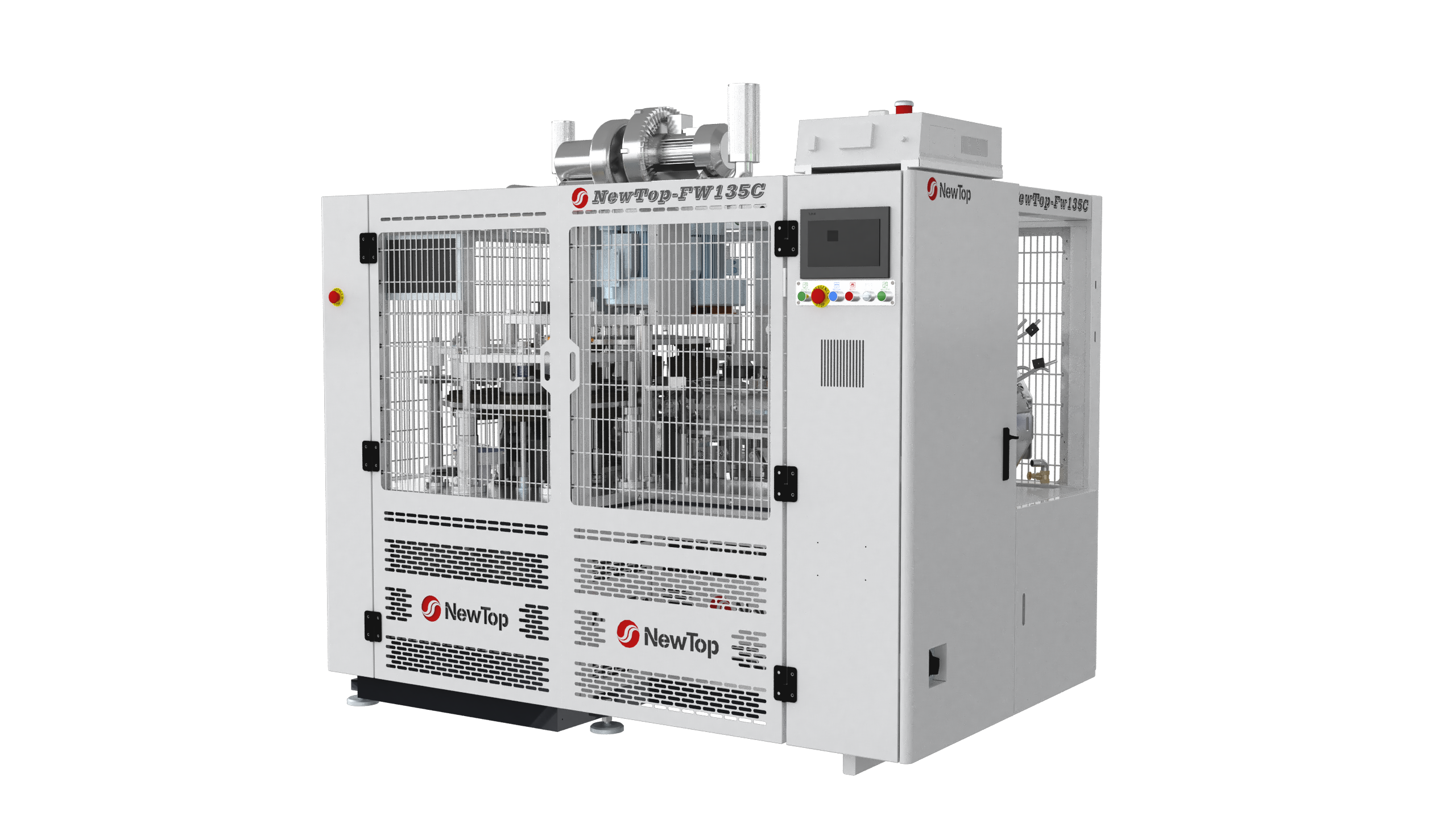
16-42oz Paper Cup Size
140 pcs/min Max Capacity
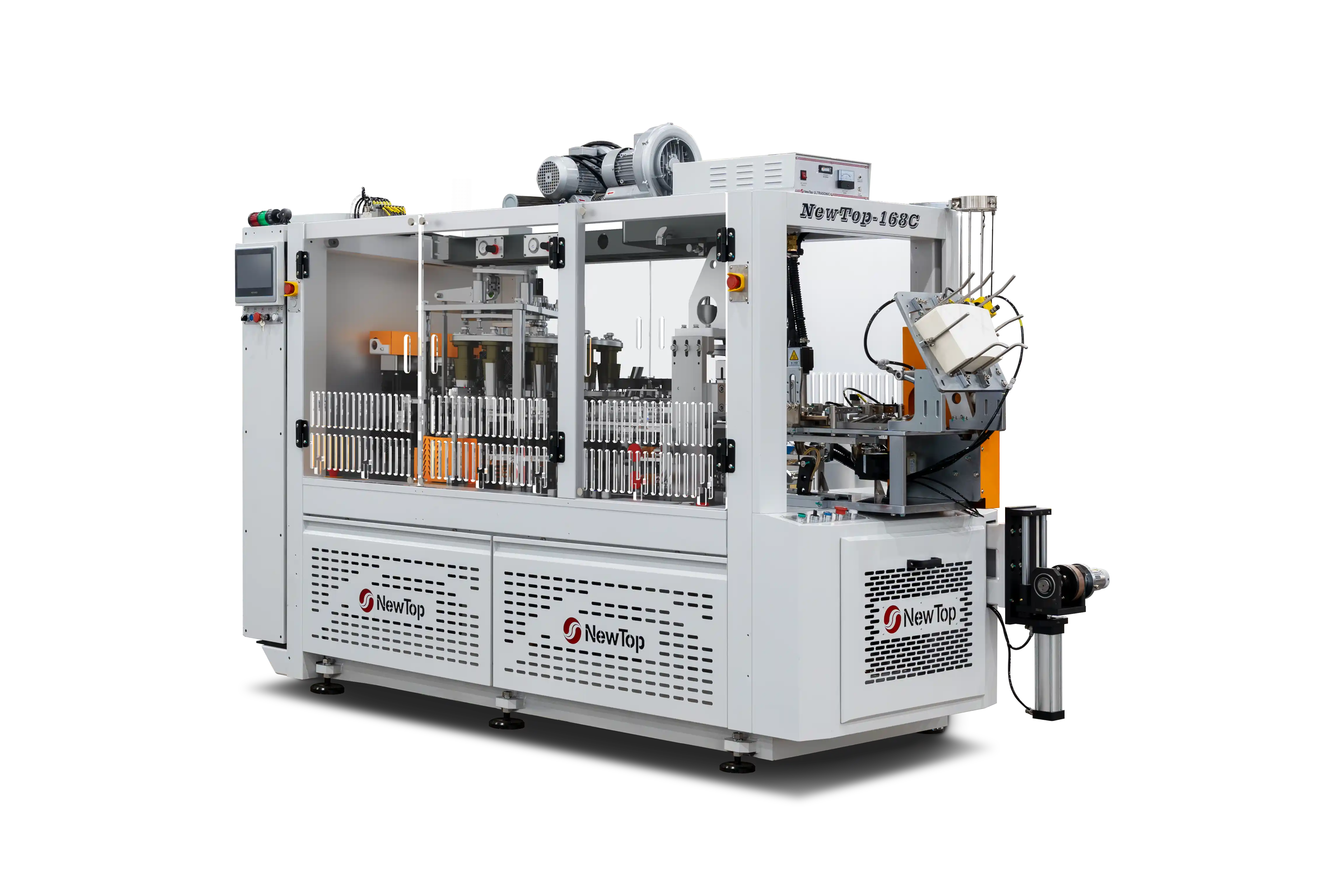
16-22oz Paper Cup Size
138 pcs/min Max Capacity


New Debao people pursue the concept of high quality and technology leading.
By changing the working mode with intelligent paper cup machine to make the operation more and more simple.
Fengzhai Natural Village,Wandu Village, Wanquan Town, Pingyang County, Zhejiang Province,China