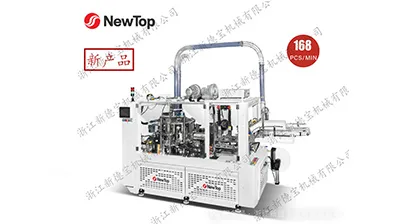

NewTop people pursue the concept of high quality and technology leading.
By changing the working mode with intelligent paper cup machine to make the operation more and more simple.

Every production manager remembers that one order: tight deadline, complex cup size, and a machine that fights back during every adjustment. You lose hours tweaking mechanical cams, scrapping imperfect cups, and praying the batch passes quality control.
The packaging industry is shifting. But does that mean every shop needs to abandon their trusted standard equipment for flashy smart technology?
Let's cut through the noise. Below is a practical comparison based on real shop-floor experiences, technical benchmarks, and feedback from mid-sized paper cup manufacturers.
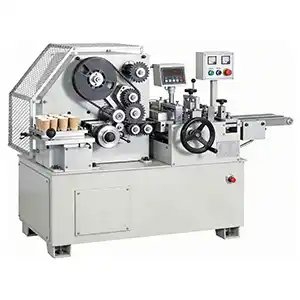
Standard machines rely on mechanical cam linkages and gears. Once set up, they run the same repeatable motion cycle for millions of cups. The strength? Bulletproof reliability. The weakness? Every change—diameter, height, or paper weight—requires manual cam adjustments, sometimes taking 2–3 hours.
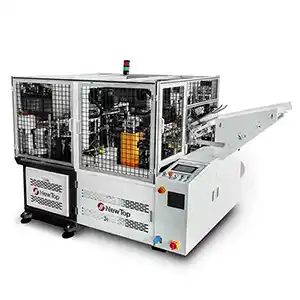
Intelligent systems replace most mechanical linkages with servo motors and an industrial PLC (Programmable Logic Controller). Parameters like heating temperature, forming pressure, and timing are stored as digital recipes. Switching from a 12oz to a 16oz cup means loading a preset—typically under 15 minutes.
*According to a 2023 survey of 50 Asian cup manufacturers (source: Packaging Machinery Association), plants using servo-based forming equipment reduced changeover downtime by an average of 68%.*
At first glance, a standard machine looks cheaper—often 40–50% lower upfront. But let's examine total cost of ownership over 3 years(example):
| Cost Factor | Standard Machine | Intelligent System |
| Initial investment | Lower | Higher (servo motors + controller) |
| Labor dependency | 2–3 operators per shift | 1 operator + monitoring |
| Scrap rate (first 1,000 cups) | 8–12% during setup | 2–4% with recipe recall |
| Energy consumption | Fixed motor running | Servo motors use power only on demand (15–25% less) |
| Predictive maintenance | Manual schedules | Sensors alert before failures |
The math changes when you run multiple short-run orders (e.g., custom cups for events) versus one-size high-volume contracts.
Standard machines have a steep learning curve. Skilled mechanics are essential—and increasingly hard to find. One plant manager in Texas told us: “My best adjuster is retiring. It takes two years to train a replacement who can diagnose cam timing by ear.”
Intelligent systems simplify through touchscreen interfaces. Error messages appear in plain language (“Bottom heater below 180°C – check SSR relay”). Remote diagnostics allow your supplier to log in (with permission) and adjust parameters without a service visit.
But here's the catch: If your team lacks basic digital literacy, the transition can be frustrating. A hybrid approach—starting with standard mechanics and adding smart monitoring modules—works for many shops.
Food safety regulations (like FDA and EU food contact standards) increasingly demand batch traceability. Intelligent machines log every production parameter: temperature curves, pressure peaks, cup count per batch, and operator ID.
When a customer complains about a defective batch, you can pull the exact data from that shift. Standard machines offer no such record—you're left guessing.
The answer depends on your production reality:
Choose a standard paper cup forming line if: You run long production runs (over 500,000 cups per setup), have experienced mechanics on staff, and prioritize low upfront cost over long-term labor savings.
Choose an intelligent system if: Your orders vary in size and material, you struggle to find skilled adjusters, or you supply brands demanding full traceability.
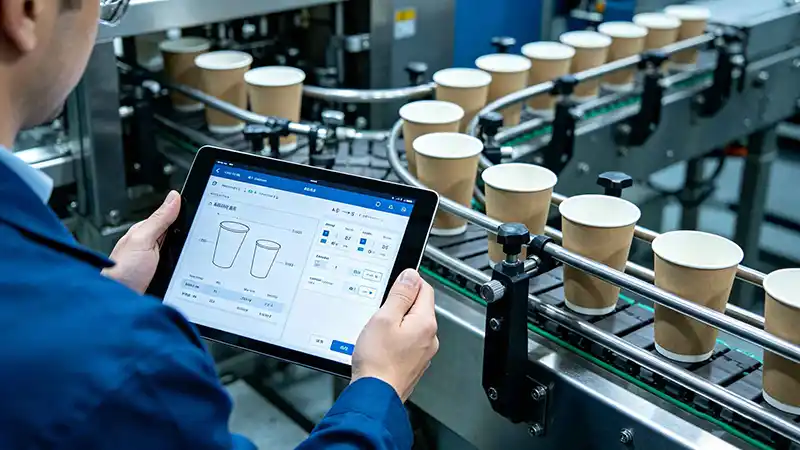
Many manufacturers don't need an all-or-nothing decision. Hybrid configurations exist—for example, keeping the mechanical main drive but adding servo-assisted bottom knurling and an HMI for recipe storage.
If you're evaluating specific technical specifications or want to compare modular options, you can explore detailed configuration examples here: View modular design options for different production scales.
Before scrapping your existing equipment, consider this: Several aftermarket kits add “intelligent” features to standard machines. A vibration sensor on the main bearing, a temperature data logger on the heater bands, or a simple counter with batch reporting—these cost a fraction of a new line and deliver 60–70% of the data benefits.
One European cup converter we spoke with upgraded four standard machines over 18 months. They started with one smart line to handle complex custom orders, kept two standard lines for their core 8oz product, and retrofitted one older machine with monitoring sensors. This balanced cash flow while building digital skills internally.
Audit your order mix – Calculate how many changeovers you run weekly. More than three? Intelligent saves real money.
Check your team's skill gap – Do you have someone who can navigate a PLC menu? If not, budget for training.
Run a 24-hour trial – Most reputable suppliers offer paid trials with a refund against purchase. Run your most complex cup design on both types.
Calculate 5-year TCO – Include labor, scrap, energy, and maintenance. Use real data from your utility bills and wage rates.
Neither machine “wins” absolutely. The standard equipment is like a manual lathe—in skilled hands, it produces perfect results forever. The intelligent system is like a CNC mill—more expensive upfront, but it makes complex, varied work profitable for average operators.
For most growing businesses (50–200 million cups annually), the intelligent path offers better scalability and regulatory compliance. But if your volumes are predictable and your mechanics are masters, don't let marketing hype shame you out of standard equipment that's already paid for.
Looking for a balanced solution that won't force an all-or-nothing bet? Newdebao designs modular cup forming systems where you start with standard mechanical reliability and add intelligent monitoring modules as your needs evolve. The same platform supports both approaches.
Check the latest hybrid configurations and request a TCO comparison sheet tailored to your order mix: Explore Newdebao's modular paper cup production systems.
Packaging Machinery Manufacturers Institute (PMMI) – 2023 Annual Industry Report
ISO 22000:2018 – Food safety management systems (traceability requirements)
Field data from three anonymous Asian cup plants (2022–2024 operational logs)
All images are for illustrative purposes only
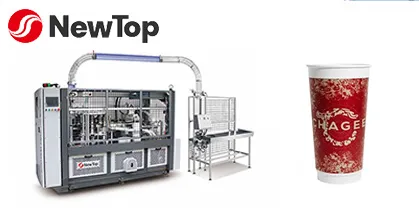
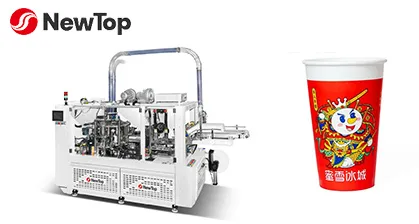
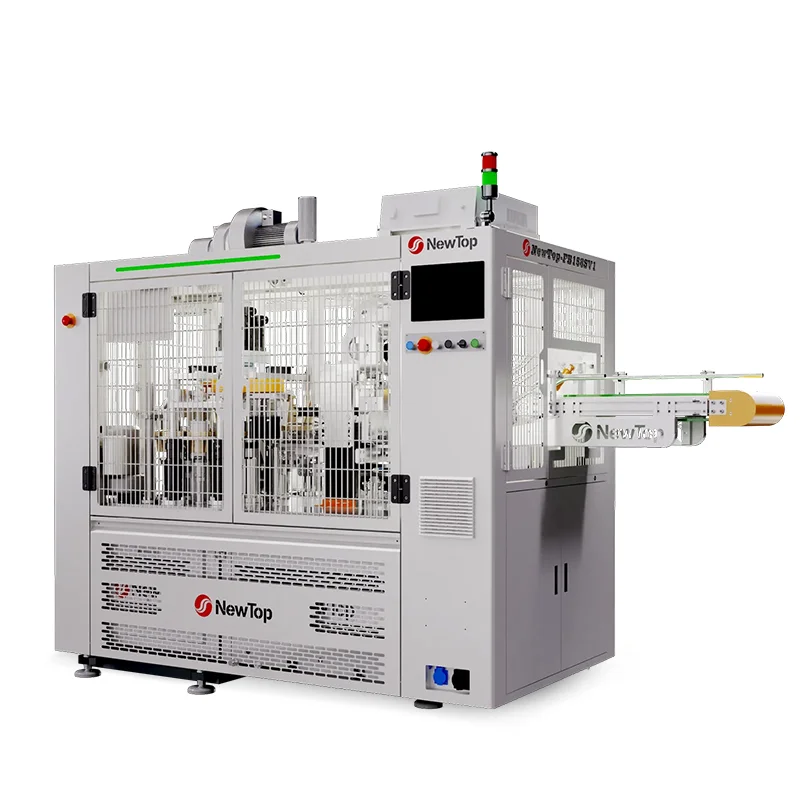
2.5oz-12oz Paper Cup Size
168-175 pcs/min Max Capacity
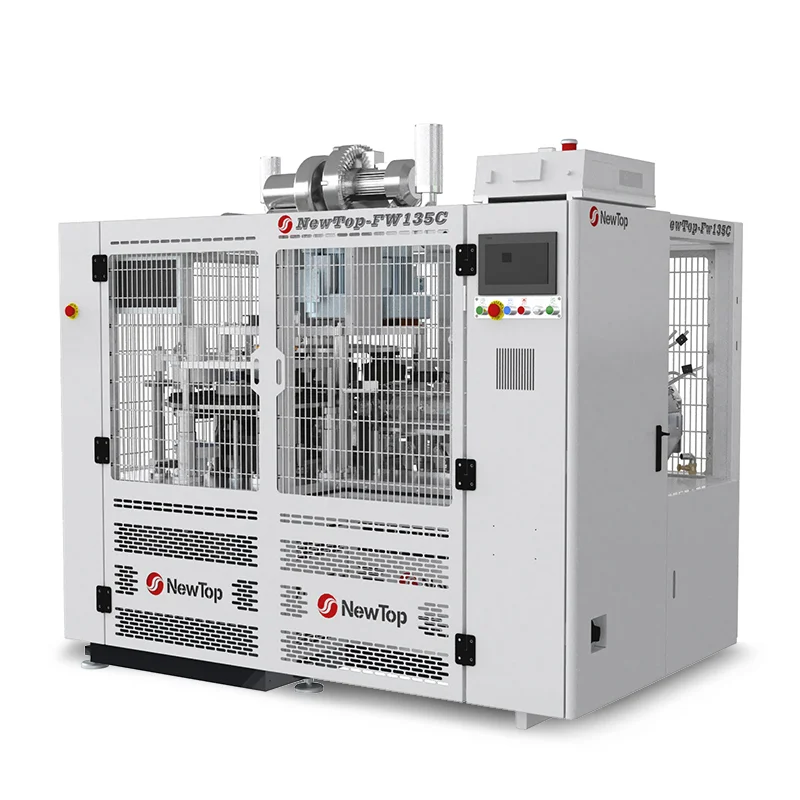
16-42oz Paper Cup Size
140 pcs/min Max Capacity
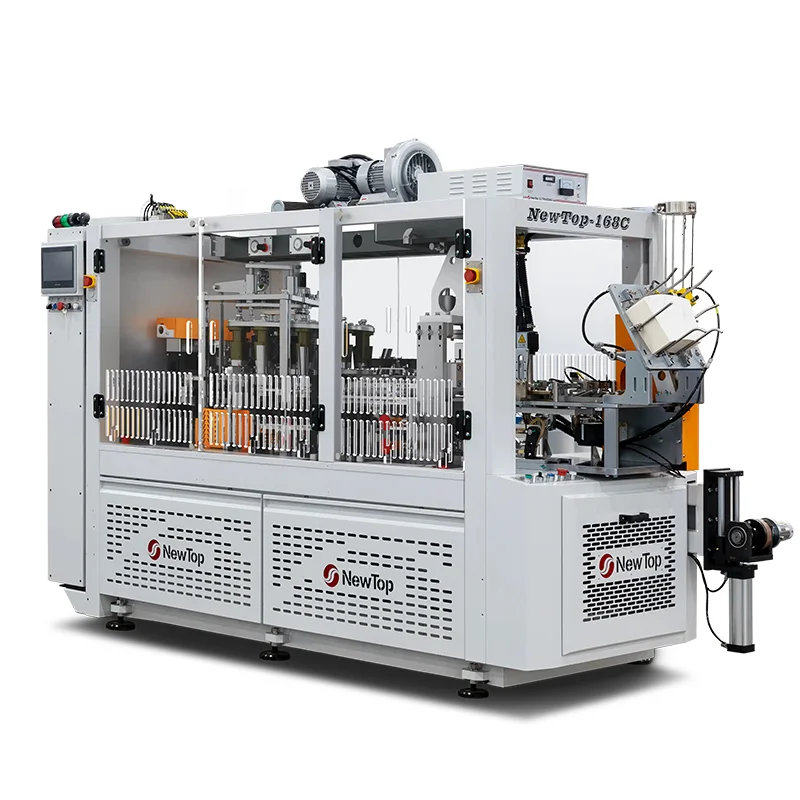
16-22oz Paper Cup Size
138 pcs/min Max Capacity


NewTop people pursue the concept of high quality and technology leading.
By changing the working mode with intelligent paper cup machine to make the operation more and more simple.
Fengzhai Natural Village,Wandu Village, Wanquan Town, Pingyang County, Zhejiang Province,China