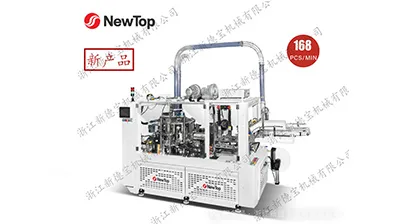

NewTop people pursue the concept of high quality and technology leading.
By changing the working mode with intelligent paper cup machine to make the operation more and more simple.

Picking the right paper cup production system boils down to matching your real output, material type, quality standards, operating costs, and long-term scalability—no empty specs or overhyped features. Paper Cup Machine remains a core asset for stable, high-volume forming across coffee chains, food factories, and packaging enterprises. According to the 2026 Mordor Intelligence report, the global paper cup forming equipment market will hit $11.58 billion, with 62% of buyers citing mismatched speed and high defect rates as their top post-purchase regrets. This hands-on guide cuts through marketing noise and shares field-tested logic to protect your investment and daily workflow.
Speed looks great on paper, but overcapacity wastes capital, while undercapacity creates permanent bottlenecks. Small startups or local beverage suppliers work well with mid-speed units. Large contract manufacturers need high-speed continuous forming lines to hit scale without overtime.
I’ve watched buyers chase 140+ cups per minute only to struggle with feeding and labor limits. Calculate your actual shift output, including changeover and downtime, not just theoretical peaks. A well-matched speed keeps your line smooth and your profit consistent.To compare speed configurations for different scales, you can view full model specifications.
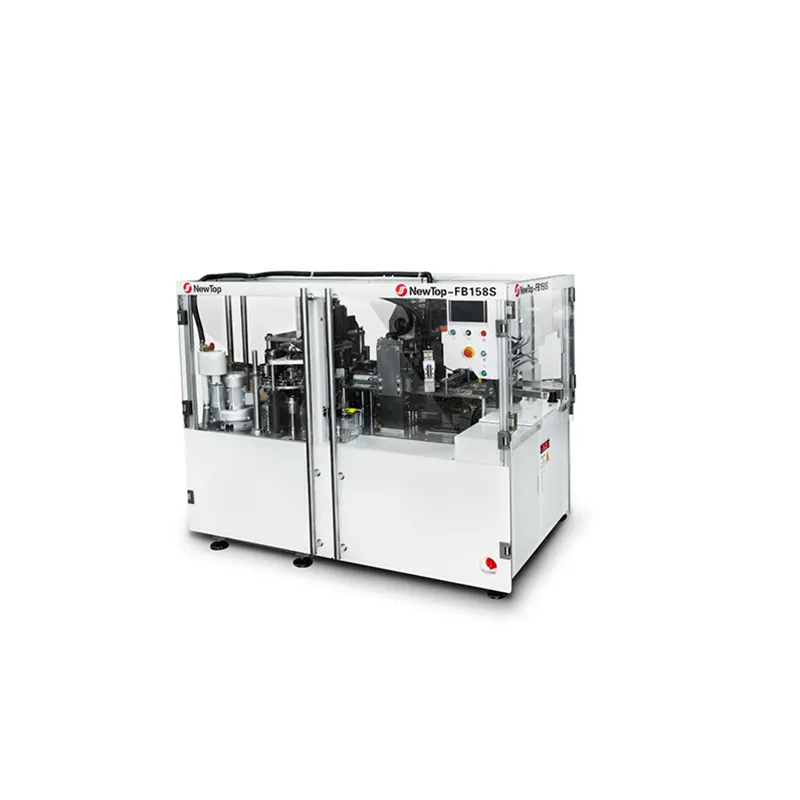
Leaky seams and unsafe coatings kill reputation faster than slow output. Premium systems use ultrasonic side sealing and temperature-controlled bottom bonding to keep leak rates below 0.5%. Food-grade standards like FDA and EU 10/2011 are non-negotiable for beverage and food service use.
Cheap machinery skips precision calibration, leading to uneven glue coverage and weak seals. Test with your actual coated paper—not generic samples—to avoid costly rejections from retailers or brands.
Modern buyers demand support for PLA biodegradable coating, PE film, and recycled paperboard. Rigid machines that only run standard PE paper will quickly become obsolete as eco rules tighten.
Flexible tension control and adjustable heating modules let you switch materials without retooling. This adaptability future-proofs your line against regulatory shifts and brand sustainability demands.
Upfront price tells less than half the story. Factoring in power use, wear parts, maintenance, and scrap rate reveals real long-term cost. Top systems run 72+ hours straight with MTBF over 1,500 hours, cutting downtime and labor strain.
Low-cost machines often have 2–3x higher maintenance costs and 5%+ waste. Over three years, a slightly pricier, stable system almost always delivers better ROI.
Cup sizes, logos, and order mixes change fast. Systems with one-touch mold switching cut changeover from hours to minutes. Custom options—special sizes, counting stacking, online inspection—match your unique workshop layout and product mix.
Off-the-shelf gear rarely fits niche needs. A tailored setup turns a standard line into a purpose-built tool for your market.To see industry-specific customized setups, you can explore application cases.
Many buyers debate which platform fits their operation. Here’s a straight, field-proven breakdown.Semi-automatic manual systems cost less but need heavy labor, low speed, and inconsistent quality. They work for tiny hobby runs but can’t scale.Fully automatic standalone formers boost speed but lack integrated conveying and stacking, creating workflow gaps.Paper Cup Machine delivers balanced speed, sealing reliability, and integration readiness. It dominates high-volume, food-safe, repeatable production where consistency and uptime matter most. The initial investment is higher, but low scrap, long service life, and flexible material support make it the most practical choice for growing producers.
With years of on-the-ground factory experience, NEWTOP builds systems around user pain points, not just technical numbers. Its lines balance robustness, ease of use, and sustainable adaptability for small shops to large factories.
Key strengths:
Whether you make hot coffee cups, cold drink containers, or branded food cups, NEWTOP fits your workflow, not the other way around.For personalized selection based on your products and space, you can get expert selection advice.
Before you commit, confirm these practical points:
The best paper cup production system isn’t the fastest or priciest—it’s the one that runs quietly, reduces waste, and makes your daily operation easier.
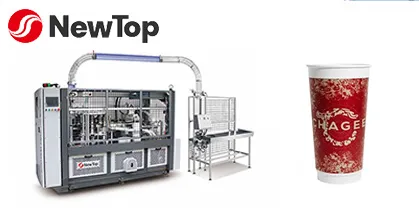
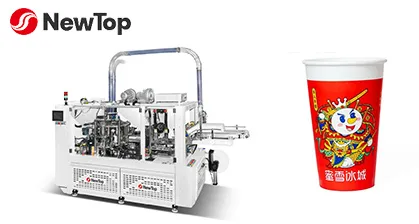
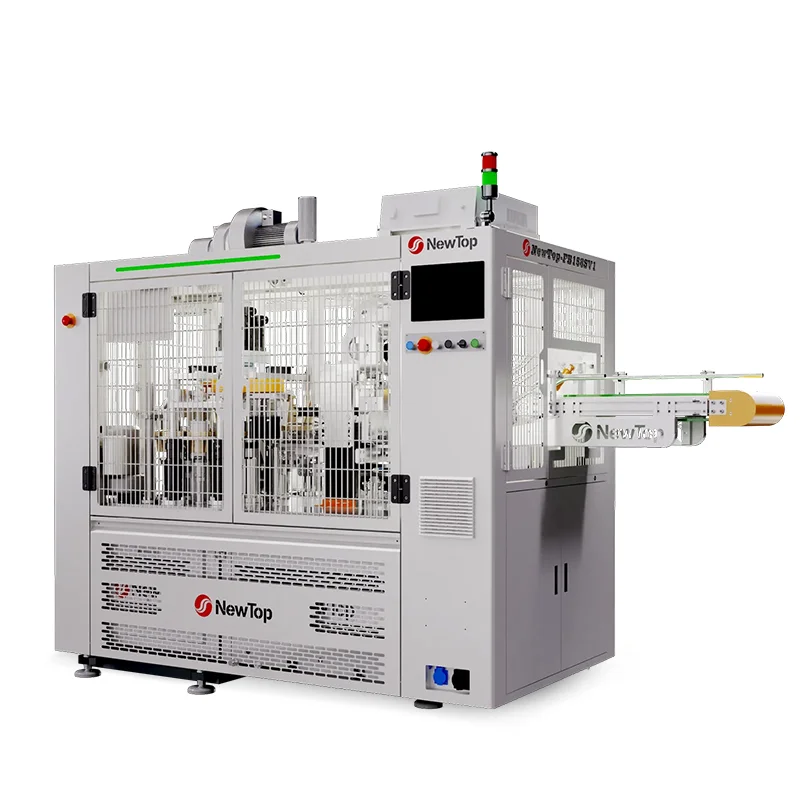
2.5oz-12oz Paper Cup Size
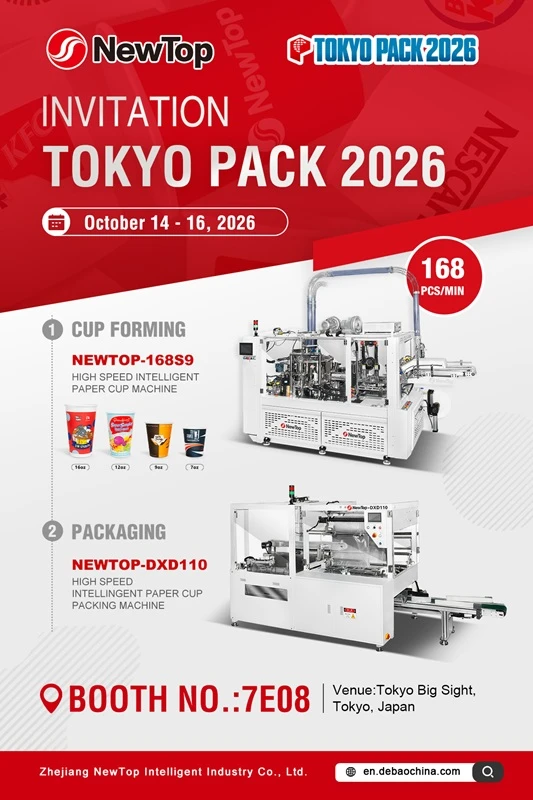
168-175 pcs/min Max Capacity
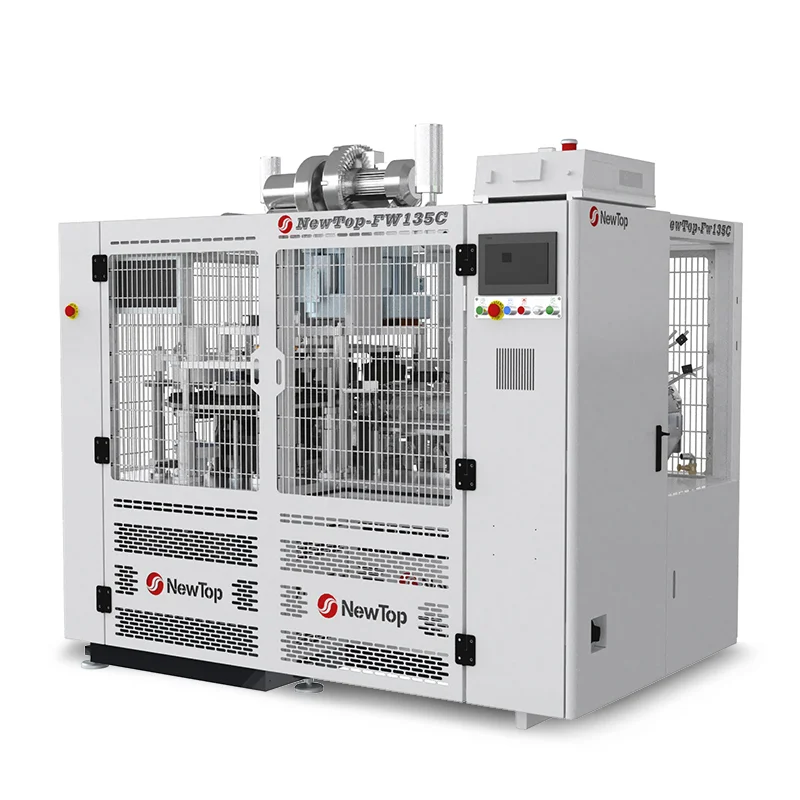
16-42oz Paper Cup Size
140 pcs/min Max Capacity
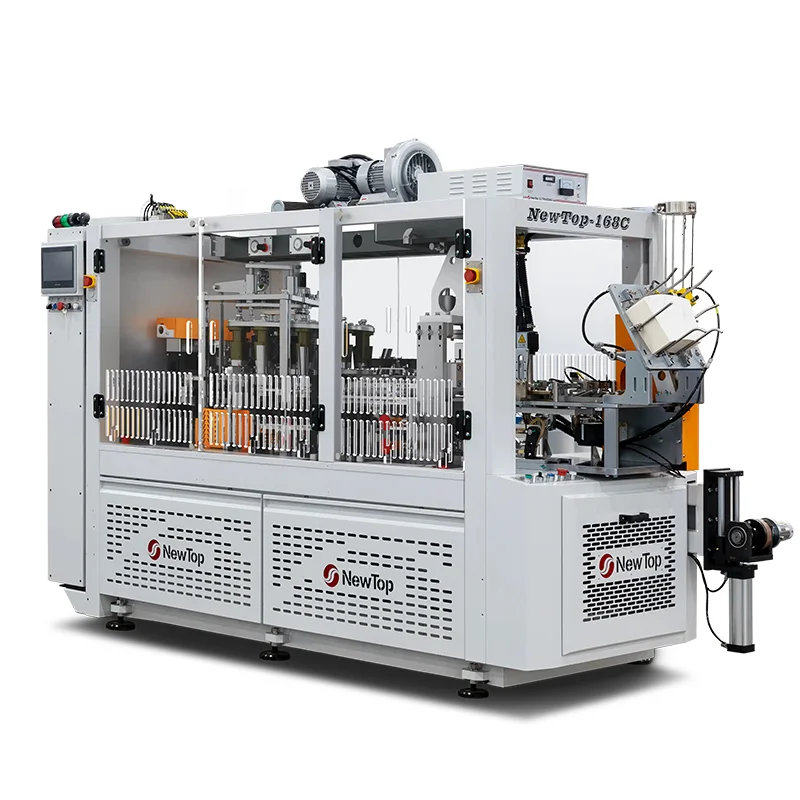
16-22oz Paper Cup Size
138 pcs/min Max Capacity

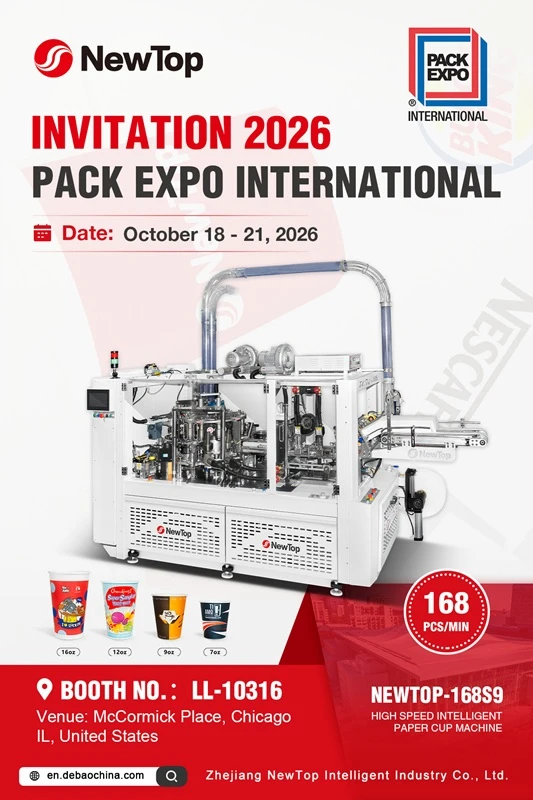

NewTop people pursue the concept of high quality and technology leading.
By changing the working mode with intelligent paper cup machine to make the operation more and more simple.
Fengzhai Natural Village,Wandu Village, Wanquan Town, Pingyang County, Zhejiang Province,China