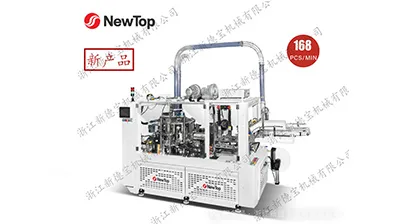

NewTop people pursue the concept of high quality and technology leading.
By changing the working mode with intelligent paper cup machine to make the operation more and more simple.

Paper cup leakage, uneven rims, or bottom deformation are problems that almost always trace back to one specific stage in the manufacturing process. Whether you are evaluating equipment for a new line or troubleshooting defects on an existing one, knowing what happens at each forming stage—and which parameters control the outcome—is the fastest way to protect your yield rate. This guide walks through the complete process from blank preparation to packing, explains what each stage solves, and identifies the quality checkpoints that deserve the most attention.
The paper cup manufacturing process converts printed and coated paper board into finished cups through a continuous, automated sequence. It begins with cup blank preparation, where paper is cut into fan-shaped side-wall blanks and circular bottom blanks. These blanks enter a forming machine, which performs side-wall wrapping, heat sealing, bottom insertion, bottom knurling, and rim curling in one synchronized cycle. After forming, cups pass through inline inspection systems that detect leaks, dimensional deviations, and surface defects. Finally, counting, stacking, and packing equipment prepare the cups for shipment.
Each stage exists to solve a specific problem: side-wall forming creates the cup body from a flat blank; side-seam sealing bonds the overlapping edges into a leak-proof tube; bottom insertion and knurling seals the base against hydrostatic pressure; rim curling produces a smooth, rigid drinking edge; inspection removes defective units; and packing protects the finished product.
For a complete reference including detailed quality checkpoint tables and defect root-cause analysis, see the pillar guide on the Paper Cup Manufacturing Process.
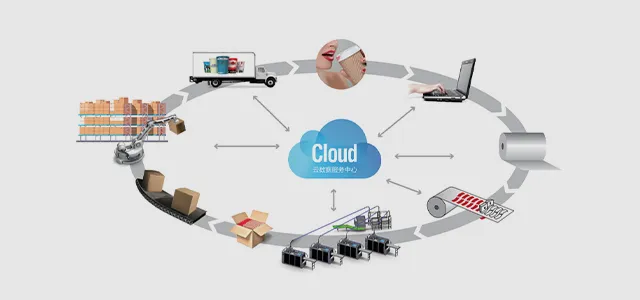
Paper cups are made from food-grade paper board coated with a thin barrier layer, typically polyethylene (PE) or polylactic acid (PLA). The paper arrives in large rolls with pre-printed designs and is cut into two types of blanks: fan-shaped side-wall blanks and circular bottom blanks. Paper thickness, coating weight, and moisture content directly affect formability and sealing strength. If the paper is too dry, it may crack during forming; if too moist, the heat seal may be weak.
Key checkpoints: paper roll inspection for contamination and wrinkles; die-cutting accuracy for fan angle and bottom diameter; moisture content control.
The side-wall blank is wrapped around a mandrel to create a cylinder. The overlapping edges are heated to melt the coating, then pressed together to form a continuous side seam. This seam runs the full height of the cup and is the most critical seal. Three variables must be controlled: temperature, pressure, and dwell time. If any is insufficient, the seam may leak or open under pressure. Research published in BioResources has documented that improper blank positioning or low seal-area temperature near the top can cause the side seam to open before or during rim rolling, producing a defective cup.
Key checkpoints: side seam strength, seam appearance, and cup roundness.
A circular bottom blank is inserted into the open end of the cup body. The edge of the cup body is folded inward and pressed against the bottom blank using heat and pressure—a process called knurling. This creates small ridges that mechanically interlock the paper layers and ensure a tight seal. The bottom seal must withstand the full hydrostatic pressure of the liquid inside. Knurling depth and pitch are critical: too shallow and the seal may leak; too deep and the paper may crack.
The same BioResources study found that side seam buckling near the bottom fold can occur when the fit on the bottom forming tools is incorrect, potentially affecting liquid tightness.
Key checkpoints: bottom leakage, bottom deformation, knurling uniformity, and cup height.
The top edge of the cup body is heated and rolled outward and downward to form a rounded rim. This eliminates sharp edges, increases cup rigidity, provides a smooth surface for lid attachment, and gives the cup a finished appearance. If the rim is curled too tightly, the paper may crack; if too loosely, the rim may be uneven or weak. The BioResources study attributed rim defects to low tensile strength of the material combined with its tendency to form smaller rim rolls compared to other materials.
Key checkpoints: rim roundness, rim smoothness, rim strength, and rim diameter.
Some defects—such as pinholes in the bottom or weak side seams—may not be visible to the naked eye. Automated systems inspect every cup at high speed using machine vision and leak detection. Visual inspection checks for surface defects and printing errors; leak detection uses air pressure or water; dimensional sensors measure height and diameters. When a defect is detected, a rejection mechanism removes the cup from the line.
Key checkpoints: all cups must pass inspection before packing; defect rates should be monitored and trended; inspection equipment must be calibrated regularly.
After inspection, cups are counted, stacked in a nested configuration to save space, and packed into plastic bags or cardboard cartons. Modern packing machines can be linked directly to the forming machine for fully automatic production. Packing is often the bottleneck in a production line, so matching packing speed with forming speed is essential.
Key checkpoints: cup count per bag or carton, stack alignment, packing integrity, and labeling with product information and date codes.
| Check Item | Potential Problem | Equipment or Parameters to Monitor |
|---|---|---|
| Side seam | Leakage, opening | Sealing temperature, pressure, dwell time; sealing jaw alignment |
| Bottom | Leakage, deformation | Bottom heating temperature, knurling pressure, knurling depth; bottom blank alignment |
| Rim | Uneven curling, sharp edge | Rim curling temperature, die geometry, curling speed; rim diameter |
| Shape | Ovality, size deviation | Forming mandrel precision, side-wall blank dimensions, machine synchronization |
| Surface | Scratches, contamination | Material handling, cleaning systems, machine covers, air filtration |
| Coating | Pinholes, bare spots | Coating weight, coating uniformity, base paper quality |
| Dimensions | Height, diameter variation | Forming tools, curling die, bottom insertion depth |
| Leak test | Undetected leaks | Leak tester sensitivity, calibration, test pressure |
Food-contact compliance varies by market. In the United States, paper and paperboard components are addressed under FDA 21 CFR Part 176 for indirect food additives. For packaging manufacturers, ISO 22002-4 specifies prerequisite programmes for controlling food safety hazards in the manufacture of food packaging, including handling of printed and coated materials and controlling risks of chemical migration.
Side seam leakage is typically caused by insufficient sealing temperature, low pressure, or short dwell time. Bottom leakage usually results from insufficient bottom heating, low knurling pressure, incorrect knurling depth, or misalignment of the bottom blank. The BioResources study found that open bottom seams could form through a spring-back effect of the reheated seam during curling, causing the detached part of the side seam to push against the knurling tool and open the seam—with 2 out of 5 tested cups leaking coffee. Rim cracking occurs when curling temperature is too low, curling speed is too fast, or the paper is too dry. Ovality results from worn forming mandrels or incorrect blank dimensions. For a full defect analysis and process solutions.
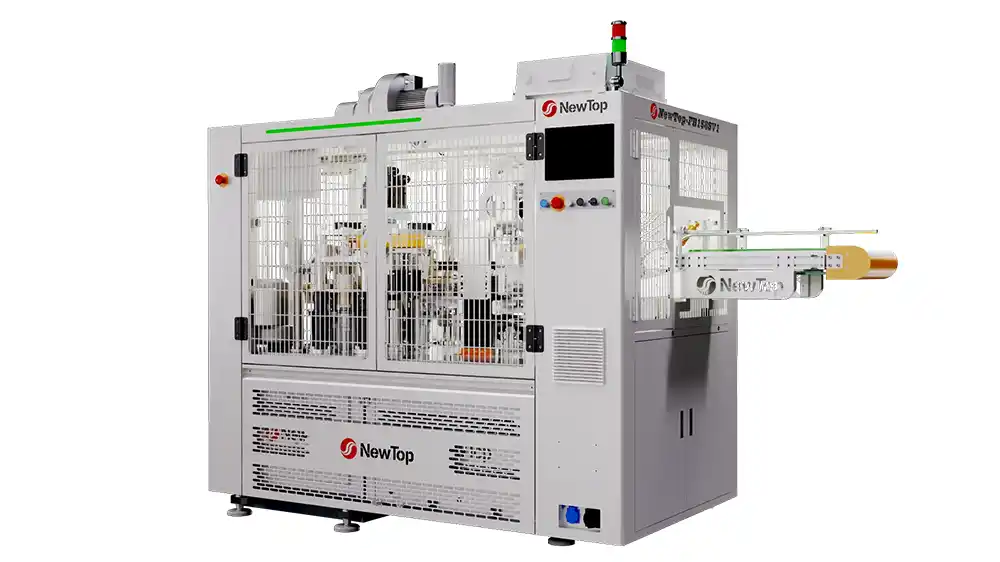
Paper cup machines are the central equipment, integrating multiple stations to perform the core forming operations. Inline cutting creates precise blanks; forming mandrels wrap the side wall; sealing jaws bond the side seam; bottom feeders insert the bottom blank; knurling tools seal the bottom; curling dies shape the rim; inspection systems reject defects; and packing machines prepare cups for shipment. To explore the equipment platforms that perform these forming stages, visit the Paper Cup Machine product series page.
Higher speed increases output but can introduce quality problems if the process is not properly controlled. At high speed, paper is subjected to rapid acceleration and deceleration. Inconsistent tension causes blank misalignment and defects. Sealing requires sufficient dwell time to melt the coating; at higher speeds, dwell time is shorter, so temperature must be increased—but too high a temperature burns the paper. Cooling time is also reduced, potentially causing deformation if the cup is handled too soon. The BioResources study noted that considerable variations in temperature between the side seam and bottom indicate possible difficulties in preserving structural integrity and consistent scalability. The optimal speed is the one that maximizes output while maintaining acceptable quality; it should be determined through trial runs and statistical analysis, not by pushing the machine beyond its stable operating range.
Incoming material: verify paper grammage, coating type, print alignment, moisture content, and food-contact compliance.
Blank preparation: check die-cutting dimensions, side-wall blank arc, and bottom blank diameter.
Machine setup: confirm forming mandrel, sealing jaws, knurling tool, curling die, heating systems, and servo parameters are set for the current cup size.
Production monitoring: check side seam temperature and pressure, bottom heating and knurling pressure, rim curling temperature, cup dimensions, and leak test results.
Inspection: calibrate vision and leak testers, verify rejection mechanism, and log defect data.
Maintenance: clean daily, inspect heating elements weekly, replace worn parts monthly, and calibrate sensors quarterly.
A manufacturer running single-PE coated cups for cold beverages at high speed faces a specific trade-off: faster cycles reduce side-seam dwell time, which can lead to weak seams that fail under condensation and handling stress. In this scenario, the critical parameters are sealing temperature consistency and cooling station efficiency. If the machine cannot maintain stable temperature across the seam, yield drops even when nominal speed is high.
A supplier serving both coffee chains and fast-food customers needs to change between 12 oz and 22 oz formats several times per week. Changeover time directly affects both output and quality during the transition. Servo-driven stations with recipe storage allow the PLC to recalculate motion profiles instantly, reducing changeover time and minimizing scrap during the transition period. The key consideration is whether the machine platform supports quick-change tooling and parameter presets for each cup format.
Once you understand the forming stages, the defect causes, and the quality checkpoints that matter most for your material and cup format, the next logical step is to compare equipment platforms that match your required capacity, cup size range, and integration needs. You can review the Paper Cup Machine series for an overview of platforms designed for different production scales.
A Guide to Selecting and Purchasing Paper Cup Making Machines for Milk Tea (Part 1)
A Guide to Selecting and Purchasing Paper Cup Making Machines for Milk Tea (Part 2)
How Many Cups Is 6 oz? Volume Guide & Engineering Tooling Specs
NewTop Unveils NEWTOP-168S9: A High-Speed, Intelligent Paper Cup Machine
Customers in Asia | Paper Bowl Line Upgrade with NEWTOP-FW135S & DXD110
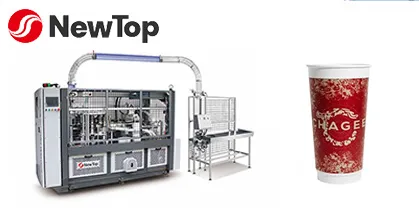
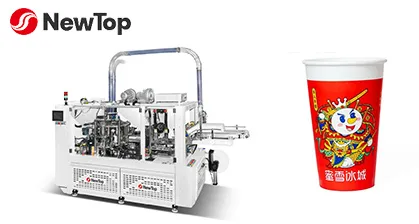
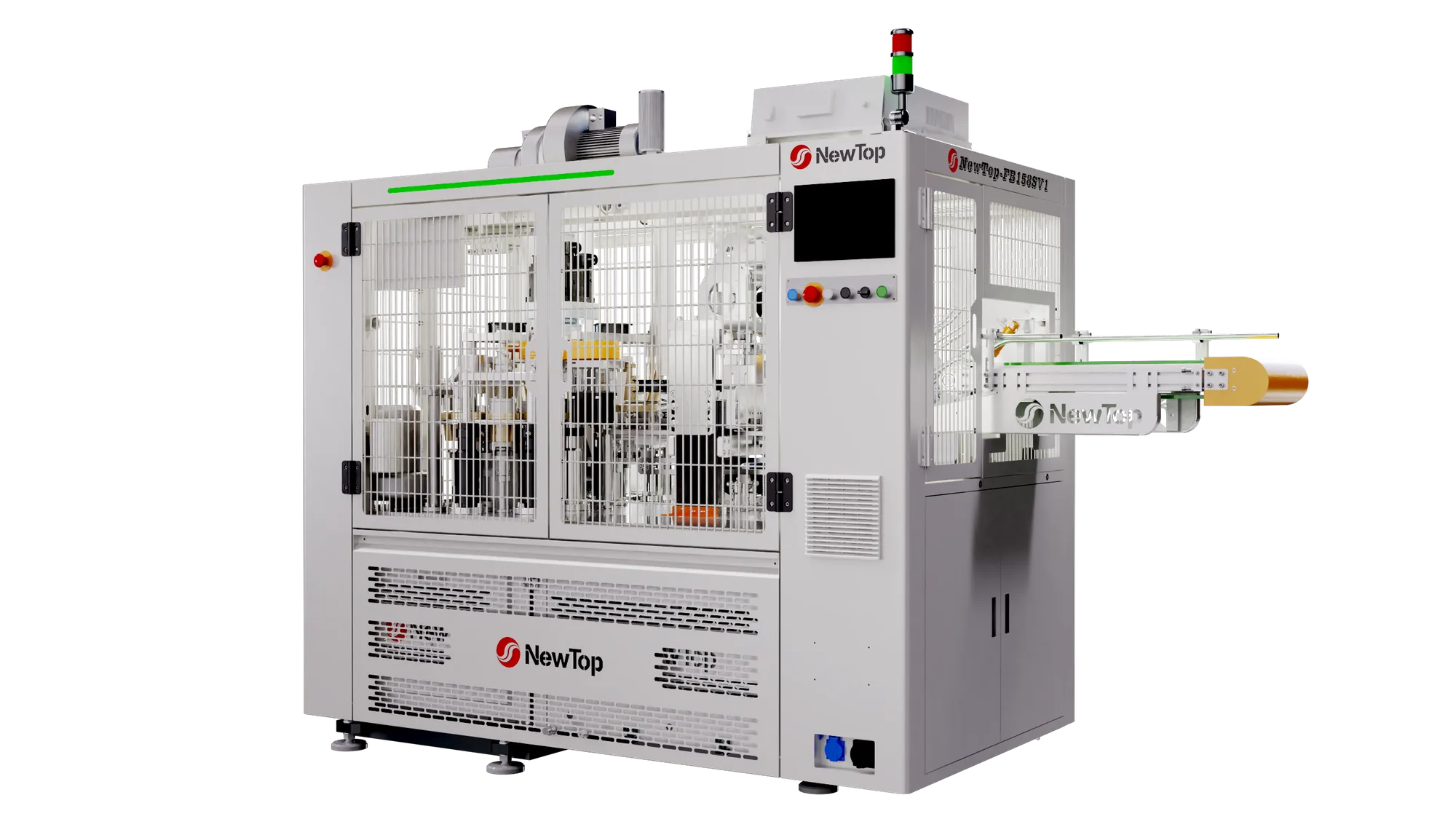
2.5oz-12oz Paper Cup Size
168-175 pcs/min Max Capacity
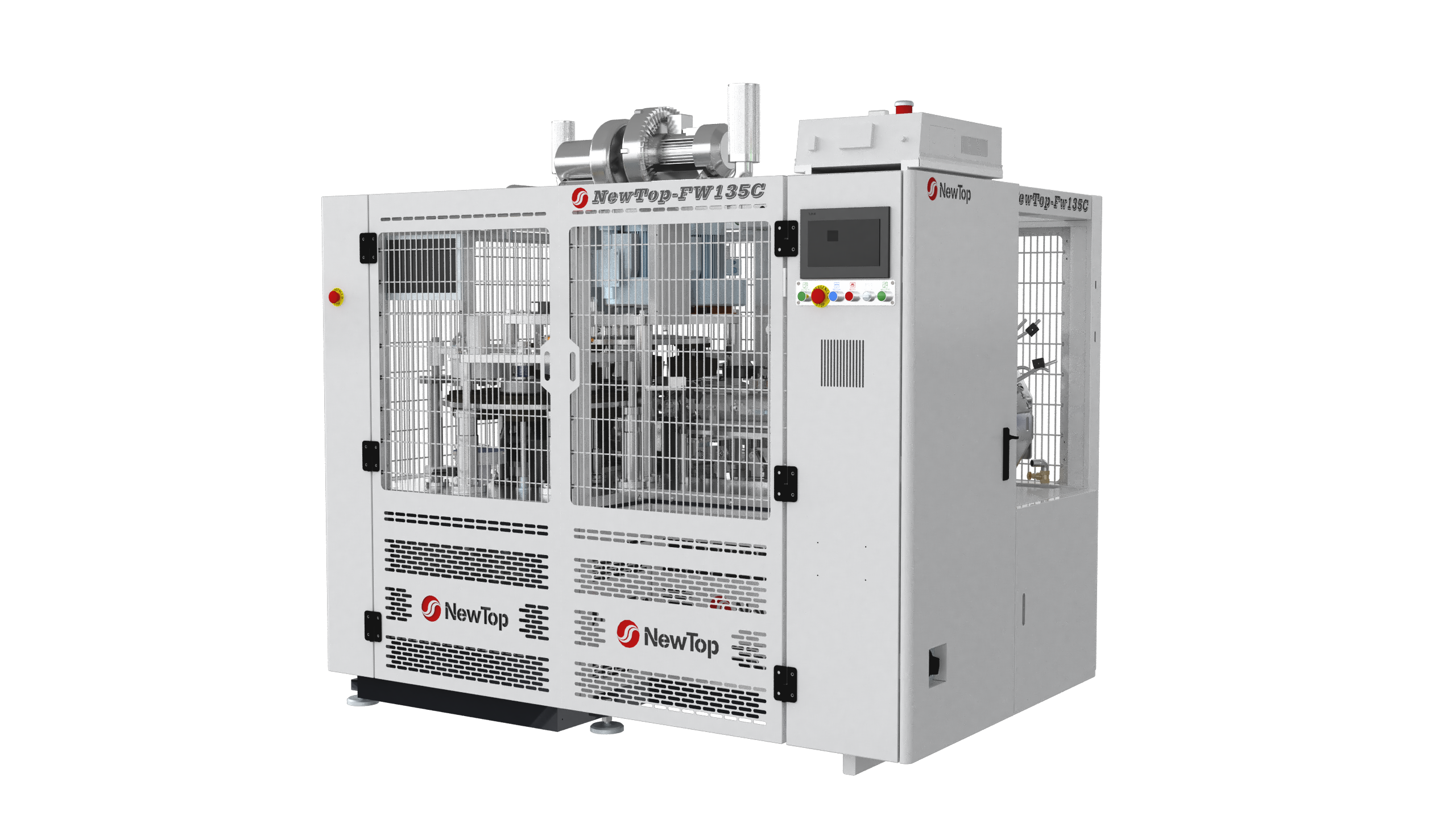
16-42oz Paper Cup Size
140 pcs/min Max Capacity
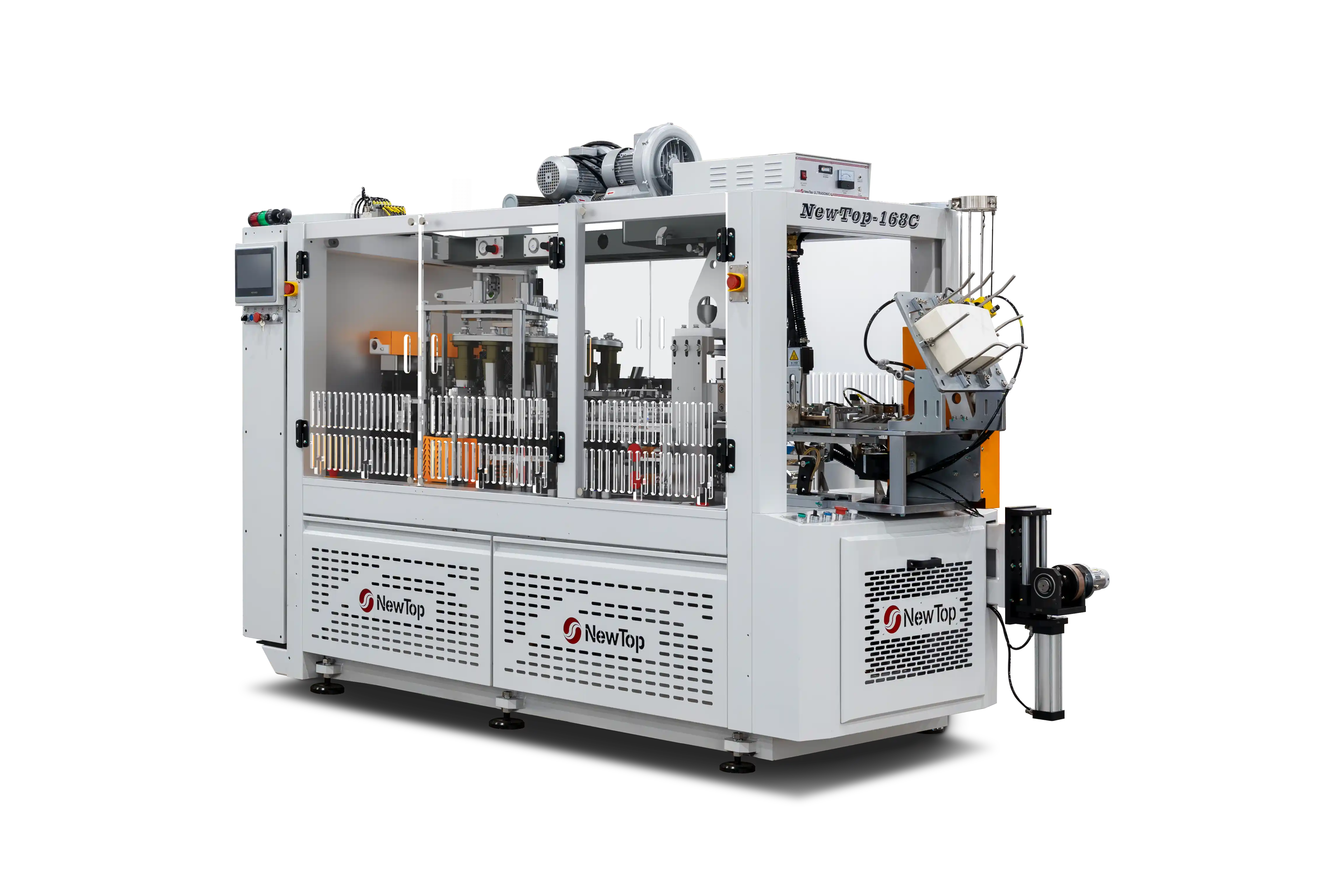
16-22oz Paper Cup Size
138 pcs/min Max Capacity


NewTop people pursue the concept of high quality and technology leading.
By changing the working mode with intelligent paper cup machine to make the operation more and more simple.
Fengzhai Natural Village,Wandu Village, Wanquan Town, Pingyang County, Zhejiang Province,China