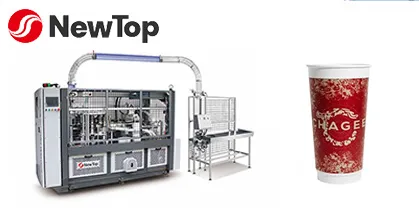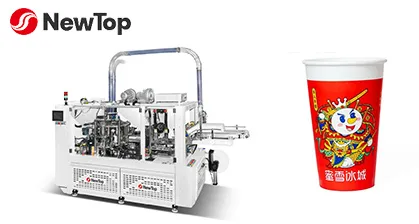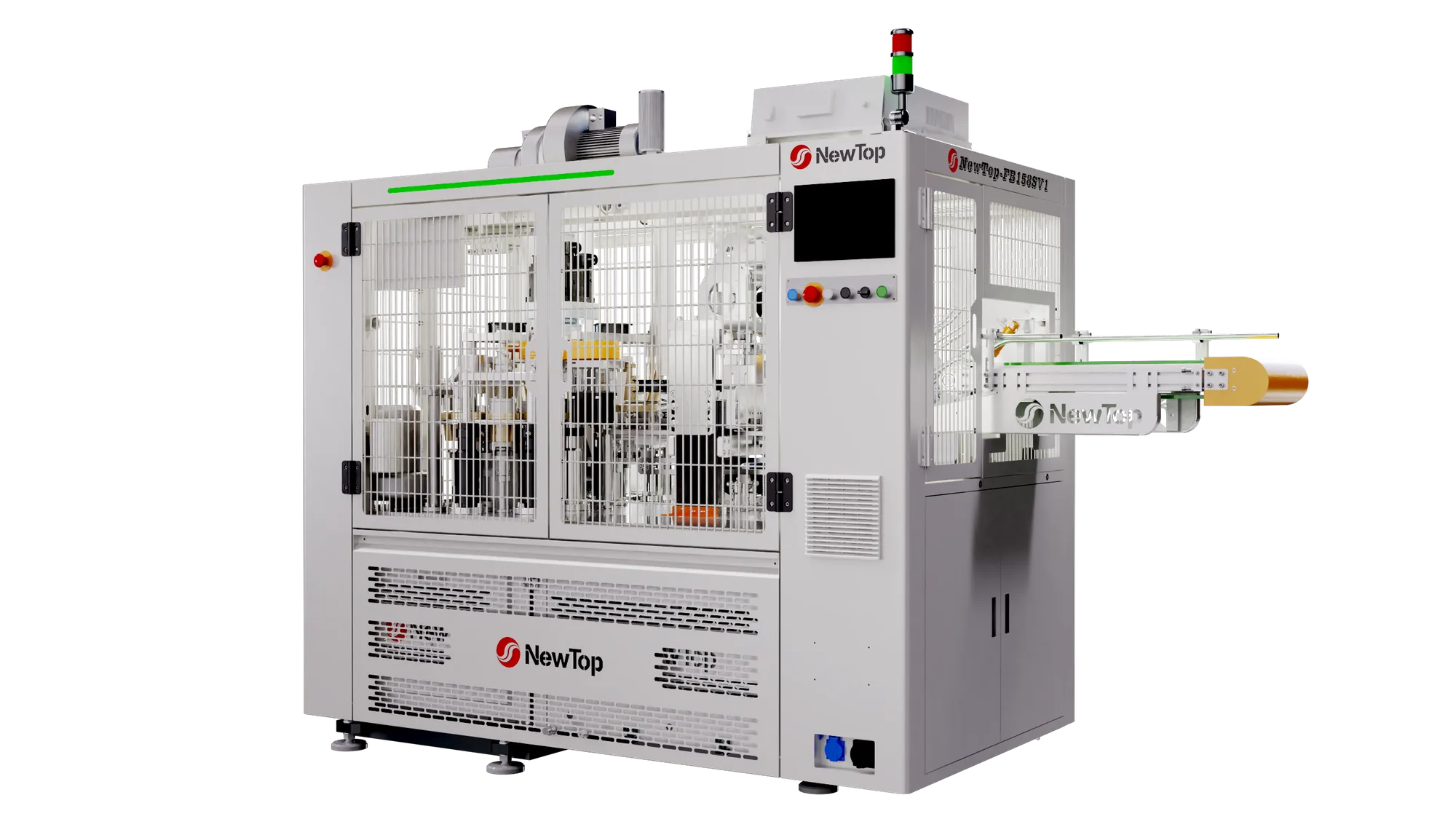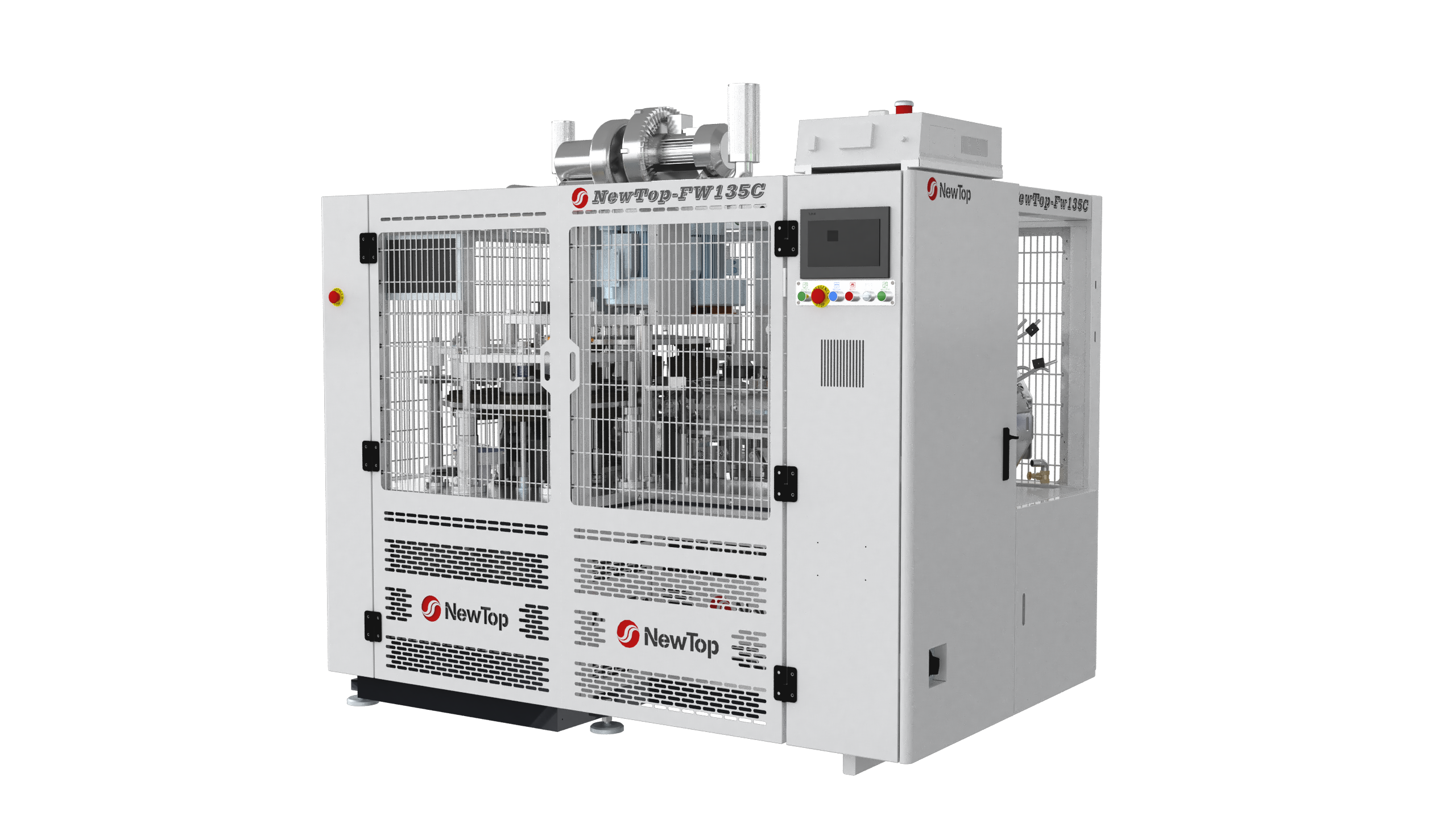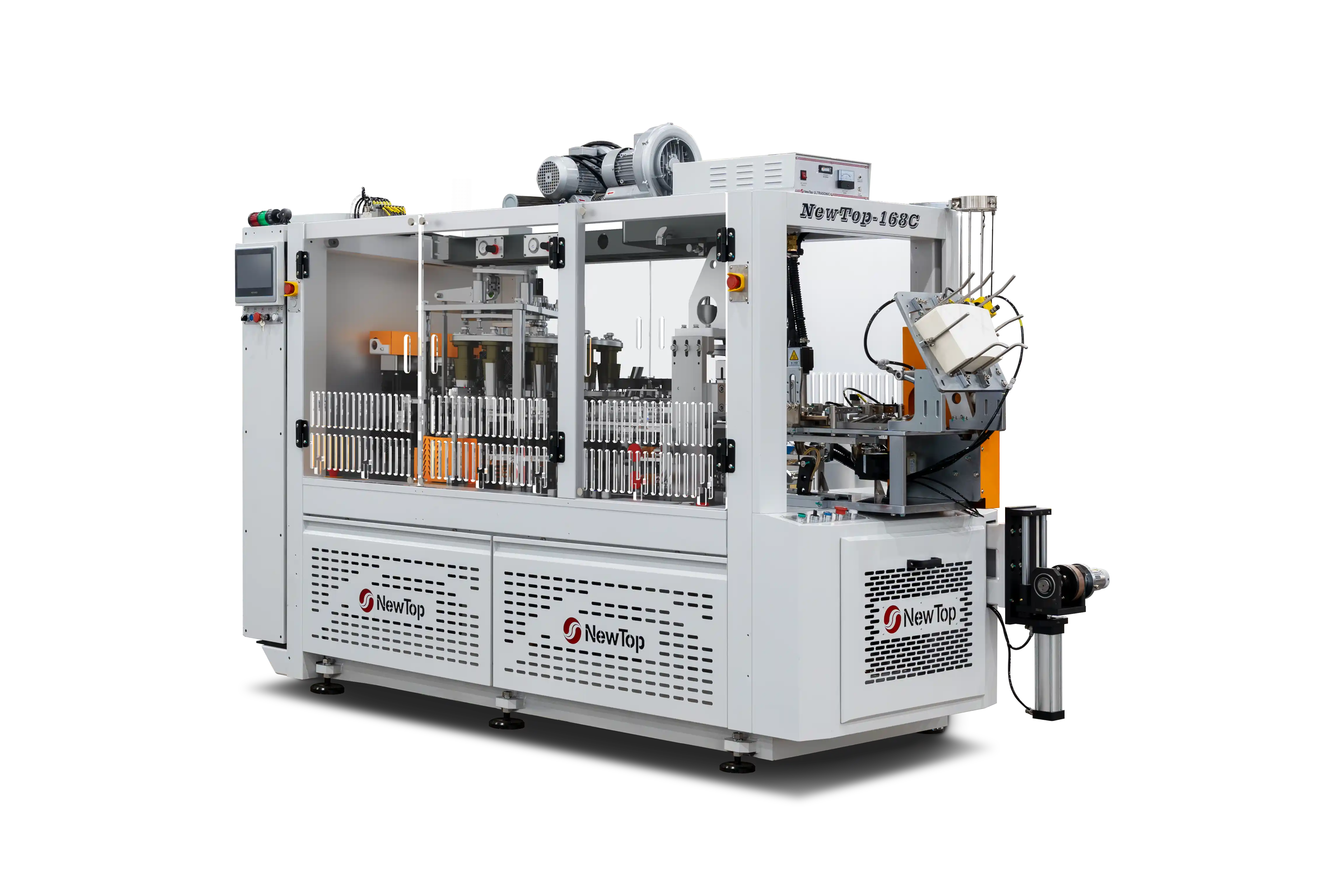
Article Overview: This guide is for procurement managers, sourcing teams, and project engineers evaluating New Debao Machinery paper cup and paper container forming equipment. It answers how to translate operating needs into selection criteria, what to verify before ordering, and which trade-offs matter most. The conclusion is that documented requirements plus physical verification reduce procurement risk. Evidence is limited to New Debao's published company news and public announcements.
How should buyers choose new debao machinery?
Buyers should choose new debao machinery by converting production volume, container size, material type, and floor space into measurable requirements first, then comparing machine specifications, support capabilities, and manufacturer evidence against those requirements rather than against price alone.
Begin with a written operating profile, not a brochure. Define the containers you will run, their size ranges, the paper or coating grades you need, and the number of format changes per shift. That profile becomes the baseline for every specification question in the RFQ. New Debao Machinery focuses on paper container forming equipment, and its published material points to both single-molding forming technology and development of a paper cup flexible production line, so the supplier can be asked to match a specific forming approach to your product mix.
Use the following decision criteria when you compare quotations:
- Rated output and cycle time per container size, stated as a range with the test conditions included.
- Changeover time between the container sizes you actually produce, including tooling and adjustments.
- Forming method, meaning which stages are integrated and whether the line uses single-molding or multi-step forming.
- Material compatibility, including paper grammage range, coating types, and edge or curl requirements.
- Automation scope, defining what is fed, counted, stacked, and packed automatically and where manual labor remains.
- Utility and layout needs, including power, air, and floor-space requirements from a layout drawing.
Weight these criteria according to your order pattern. A buyer running long, predictable runs will score speed differently from a buyer running short, mixed orders. State the weights in the RFQ so that supplier responses stay comparable, and ask each bidder to return the same format.
A simple scorecard can make the comparison explicit. Assign each criterion a weight, score each bidder on a fixed scale, and separate 'must have' from 'nice to have' requirements. This prevents the lowest-quoted machine from winning on price while failing on changeover time or material compatibility.
Supplier support matters as much as the machine itself. New Debao's company news describes a monthly learning-points system at New Debao College, with research, process development, and quality teams participating in internal training and continuous-improvement projects. That signal is useful when you evaluate operator training and after-sales knowledge transfer.
What should buyers verify before ordering new debao machinery?
Before ordering new debao machinery, buyers should verify the supplier's published project history, request a specification sheet with acceptance tolerances, confirm what the quoted configuration includes, and schedule a live machine demonstration or factory visit with qualified operators.
Verification should follow a defined sequence so that evidence is comparable across suppliers.
Step 1: Audit the supplier's technical evidence
Ask for project records, research programs, and installation references. For example, New Debao reports that its project on research and industrialization of key technology for primary molding manufacturing of paper containers was selected for the Zhejiang Province 2024 Annual "Spikes and Geese" R&D program. Treat that as one documented input into your supplier-risk review, not as a performance promise.
Step 2: Put acceptance criteria into the RFQ
Define pass or fail criteria before quotation: trial material, output rate, scrap rate, changeover time, safety interlocks, noise, and edge quality. Ask the supplier to confirm which items are tested and which are estimated, and require a signed test protocol before shipment.
Step 3: Inspect the machine in operation
Request a demonstration run with your own material samples. New Debao has hosted a delegation visit to the New Debao New Industrial Park, where main equipment, the paper cup machine, and the production process were demonstrated, and the company describes lean production management in its workshop. A serious buyer should ask for an equivalent tour before committing.
Step 4: Confirm scope and commercial terms
Verify exactly what the quotation includes: machine, tooling, peripheral equipment, installation, training, spare parts, documentation, delivery milestones, payment schedule, and warranty conditions. Any item outside the written scope becomes a change order later.
Use this pre-order verification checklist to close gaps before you issue a purchase order:
- A written specification sheet with model, rated capacity, and test conditions.
- A layout drawing with clearances, material flow, and utility connection points.
- A list of included and optional equipment with clear pricing logic.
- An acceptance test protocol with agreed pass and fail criteria.
- A spare-parts list with lead times for critical consumables.
- A training plan that names who provides it and when.
- Reference installations you can contact for similar container types.
Keep the checklist attached to the RFQ itself. When the supplier's response leaves a line blank or changes a condition, ask for the revised statement in writing. Verbal assurances during negotiation have no place in the acceptance test.
Verification rule: do not accept a speed figure without the container size, material, and crew size it was measured with, and do not accept a changeover claim without the number of operators and tools required.
Which new debao machinery trade-offs matter most?
The trade-offs that matter most are production speed versus changeover flexibility, single-molding forming versus multi-step forming, automation depth versus operator skill and maintenance load, and factory footprint versus expandability; the right balance depends on your container mix and order pattern.
Trade-offs are configuration choices, not defects. The right balance depends on your container mix, order pattern, labor costs, and expansion plans. A buyer who forces a single specification often pays for capability the line will never use, while a buyer who ignores trade-offs discovers them during acceptance testing.
| Decision area | High-volume bias | High-flexibility bias | What to validate |
|---|---|---|---|
| Speed vs changeover | Optimize for long runs at rated output | Optimize for quick changes between container sizes | Request cycle time and changeover time measured under the same conditions with your samples |
| Forming approach | Single-molding sequence for streamlined production | Multi-step forming for broader geometry support | Confirm which forming method the quoted model uses and request production-run evidence |
| Automation depth | Integrated feeding, counting, stacking, and packing | Simpler automation with lower investment and easier maintenance | Map labor cost, operator skill, and maintenance capacity over the machine's life |
| Layout and expansion | Compact footprint for existing floor space | Modular layout that leaves room for future stations | Obtain a layout drawing with material flow and clearances |
Single-molding versus multi-step forming is the technology decision to investigate first, because it shapes the rest of the line. New Debao's selection for the 2024 provincial R&D program centers on single-molding manufacturing technology for paper containers, so buyers who need that approach have a documented technical direction to examine with the supplier.
Automation depth is the second trade-off to quantify. The cost of automation is not just the purchase price; it includes operator training, maintenance skills, and the spare-parts inventory. A simpler line may be more robust in a plant with a lower skill base, while an integrated line can cut labor when order volumes justify it.
Layout is the trade-off buyers notice last. A machine that fits today's floor space may block the material flow for the next line. Ask for the layout drawing at the quotation stage, not after delivery.
FAQ
Can buyers visit New Debao Machinery facilities before ordering?
Published company news shows that New Debao has received a delegation at its New Industrial Park, where main equipment, the paper cup machine, and the production process were demonstrated. Buyers should request a comparable tour before quotation and bring their own material samples for a live trial.
What research evidence supports New Debao Machinery's technology direction?
New Debao reports that its paper container single-molding manufacturing technology project was selected for the Zhejiang Province 2024 Annual "Spikes and Geese" R&D program. That is documented public recognition of the project's direction, but it is not a performance guarantee; verify output, scrap, and changeover at acceptance.
Are reference installations available from New Debao Machinery?
The site's news section references customer plants in North America and Europe, but the bounded context here does not include their contact details. Ask the supplier directly for reference installations that match your container types and order volumes, and contact those references before issuing a purchase order.
Conclusion
Procurement decisions for New Debao Machinery paper container lines should rest on documented requirements and verified evidence, not on brochure claims. Define your container mix, put acceptance criteria into the RFQ, audit the supplier's technical records, and inspect the machine in operation. Treat speed, flexibility, automation, and layout trade-offs as configuration decisions with quantified consequences. This guide deliberately avoids unverified performance numbers because the available evidence supports process transparency, not specific output promises.