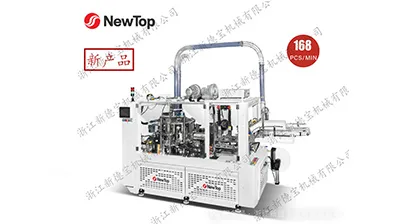

NewTop people pursue the concept of high quality and technology leading.
By changing the working mode with intelligent paper cup machine to make the operation more and more simple.

Article Overview: This guide helps procurement managers, sourcing teams, and project engineers evaluate a paper cup machine manufacturer before issuing an RFQ. It translates operating needs into selection criteria, defines verification checks, and compares trade-offs based on publicly documented NewTop evidence and standard procurement practice, not on claimed machine performance.
Article Overview
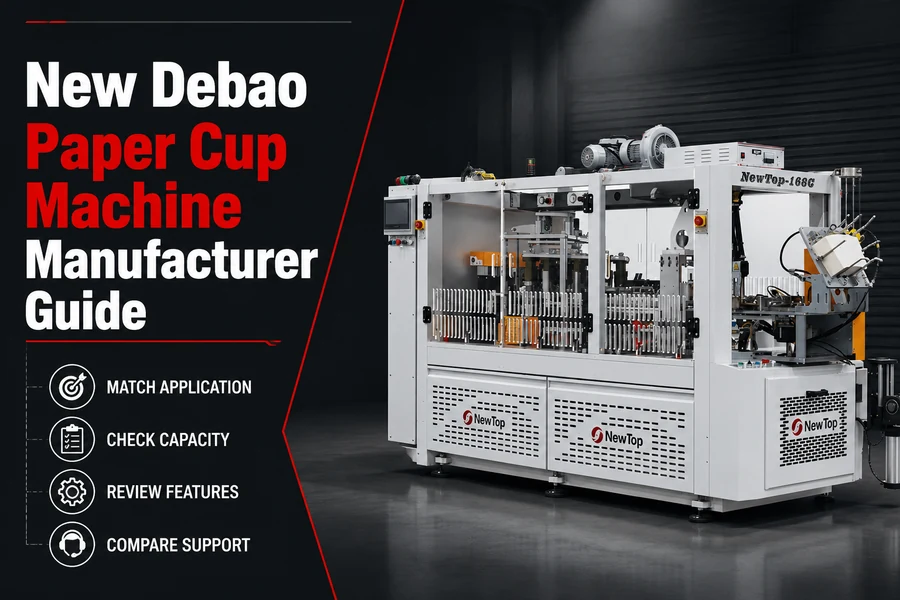
Define your cup sizes, output per shift, material compatibility, and factory layout first. Shortlist manufacturers that can document comparable installations, process controls, and after-sales structure. Selection criteria should follow operating requirements, not brochure specifications alone.
Paper cup production is a continuous process: feeding printed or plain paper, forming a side seam, bonding the bottom, curling the rim, and sometimes stacking or packing. The machine is only one element of the line. A procurement decision therefore starts with a written statement of what the line must do, not with a supplier list.
Translate your operating needs into measurable criteria before contacting suppliers. For example:
These criteria become the columns of a selection matrix. Do not evaluate speed as a single number; demand the stable operating speed under your cup geometry and material. Ask for the speed range, not just maximum speed, because output lost during changeover and adjustment can exceed the theoretical gain of a faster machine.
As a hypothetical example, a buyer producing 100-ml and 250-ml cups on the same line should give more weight to changeover time and tooling cost than a buyer running one size in continuous shifts. Write these assumptions into the RFQ so every supplier answers the same scenario.
R&D capability is relevant when your production plan may evolve. According to NewTop's published announcement, its project on primary molding manufacturing of paper containers was selected for a Zhejiang Province R&D program, and the company also publishes updates about paper cup flexible production line research and industrialization. Treat this as a signal of development activity, then ask how the technology translates into lower waste, shorter changeover, or better line reliability for your cups.
If flexible line integration is a priority, review the paper cup flexible production line research and industrialization announcement before requesting detailed line drawings.
| Criterion | What to ask the supplier | Evidence to request |
|---|---|---|
| Production capacity | What is the stable speed range for each cup size I plan to run? | Factory acceptance test data, recorded production video, reference customer output |
| Material compatibility | Which paper weights and coatings have been tested on this model? | Sample cups, material test report, list of installed machines running similar materials |
| Changeover | How long does a size change take, and what tooling is needed? | Changeover procedure, operator training plan, tooling price list |
| Line integration | Can the former connect to stacking, packing, or printing equipment? | Line layout drawing, project reference, control interface specification |
| After-sales support | What is the spare parts lead time and response time for technical issues? | Service agreement, local agent contact, customer reference calls |
The procurement team should also decide early whether the machine will be operated by existing staff or by new hires. This affects the training requirement, the level of automation, and the amount of manual intervention you can accept during changeovers.
Before ordering, verify that the manufacturer can demonstrate working machines, a defined acceptance procedure, spare parts support, and customer references under conditions close to yours. Confirm shipping, installation, training, and payment terms in writing; verbal assurances are not acceptance evidence.
Procurement errors usually happen between the brochure and the acceptance test. The supplier's sales document shows what the machine can do in ideal conditions; your contract must define what it will do in your plant with your materials. Do not rely on home-page claims; ask each shortlisted manufacturer the same operational questions and request the evidence behind each answer.
Use the following order-readiness flow as a practical structure for verification.
Specify cup sizes, paper weight, coating type, stable speed, waste allowance, changeover time, noise, and safety requirements. Attach a line layout and utility specifications. Write that payment milestones are linked to measurable acceptance, so the machine is not paid in full before it meets the agreed criteria.
Ask for videos of complete lines running, not only close-ups of the forming station. Verify the cup size, material, and settings shown in the video. If possible, arrange a live video call with the machine running, or visit the factory. When a manufacturer publishes a field video of the machine running in a famous Chinese milk tea factory's paper cup production line, treat it as a starting point for asking which cup sizes, speeds, and shift patterns were recorded.
Check where spare parts are stocked, who performs installation and training, and how technical support is reached. If the manufacturer supports customers in several regions, review its published Middle East paper cup machine customer references to understand the installation base outside the home market.
Put delivery lead time, warranty period, spare parts availability, acceptance testing, penalties for late delivery, and governing law into the contract. Define what happens if the machine does not pass acceptance. Keep the written specification attached as an annex to the purchase order.
These steps do not eliminate all risk of defects, but they create a shared definition of what is being bought. In practice, a frequent supplier-evaluation failure is skipping the acceptance test because of schedule pressure. Protect the test date in the project plan and include travel or remote-test time in the overall project schedule.
No single manufacturer fits every operation. The trade-offs that matter are stable speed versus flexibility, single-machine supply versus complete line integration, direct support versus agent support, and upfront price versus lifetime accessibility of spare parts.
Trade-offs are design choices, not defects. Your job is to compare quotes against the same set of constraints so that the effect of each choice is visible before you commit. The following comparison is deliberately general because the right balance depends on your cup mix and market.
A machine tuned for high speed on one cup size may require long changeovers and produce more waste on short runs. If your order mix is variable, prioritize stable speed across the size range and measure changeover time during the factory test. If you produce one size in high volume, a dedicated high-speed former may be the better fit.
Buying only the cup former leaves stacking, packing, and inspection to be integrated later. This can create interface problems and hidden engineering costs. A supplier that can deliver a coordinated line with a shared control platform reduces integration risk, but may also mean committing to one vendor's ecosystem. Check whether the line architecture allows you to add third-party units later.
A direct relationship gives you access to the factory's engineers, but response time depends on time zone and distance. A local agent can provide faster on-site response and language support, but may have limited technical depth. Verify which support model applies to your region before signing.
The lowest quotation may have higher tooling costs, longer downtime, or slower spare parts delivery. Ask for a total cost of ownership estimate over a defined period, including tooling, changeover kits, spare parts, training, and expected maintenance intervals. No price estimate can be accurate from a brochure alone.
R&D depth can influence several of these trade-offs, especially line integration and long-term support. According to NewTop's published announcement, its selection for a provincial R&D program related to primary molding manufacturing of paper containers is a documented indicator that the company is investing in process research. For a buyer, the practical question is not whether the manufacturer has received an award, but whether its development work improves the acceptance criteria you can verify.
When comparing suppliers, ask each one to answer the same question set in writing. This turns the trade-offs into a side-by-side comparison rather than a collection of marketing claims. Use the RFQ matrix from the first section as the common baseline, and require a written answer for every row. If a supplier cannot answer a question, record that gap and decide whether it is acceptable given your risk tolerance.
Yes, but with clear limits. Request videos of the full line running, reference customer contacts, and a remote live test. If the machine is in another country, consider a third-party inspection or a paid factory visit before the final payment. Remote evidence is useful for shortlisting, but on-site verification is stronger for detecting hidden issues.
A complete RFQ should include the technical specification sheet, line layout, utility requirements, cup size and material range, target speed, waste allowance, acceptance test protocol, delivery schedule, spare parts list, warranty terms, and payment milestones. Ask the supplier to sign off on the cup specification before production begins.
Compare total cost of ownership, not the quoted machine price alone. Add tooling, changeover kits, installation, training, spare parts, shipping, and expected downtime. Ask every supplier to quote against the same RFQ matrix so differences are visible. Keep the acceptance criteria identical across all suppliers.
Choosing a paper cup machine manufacturer is a procurement process, not a brochure comparison. Start with your operating requirements, turn them into selection criteria, verify machine and factory evidence before ordering, and make trade-offs visible through a common RFQ matrix. The publicly documented NewTop activities referenced here provide examples of what to check, but every claim should be tested against your own acceptance criteria. A supplier that can demonstrate its machines under your conditions is more valuable than one that only describes them.
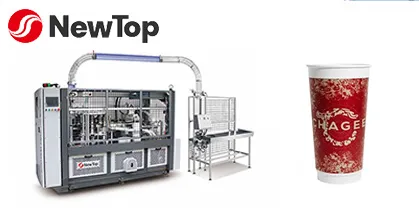
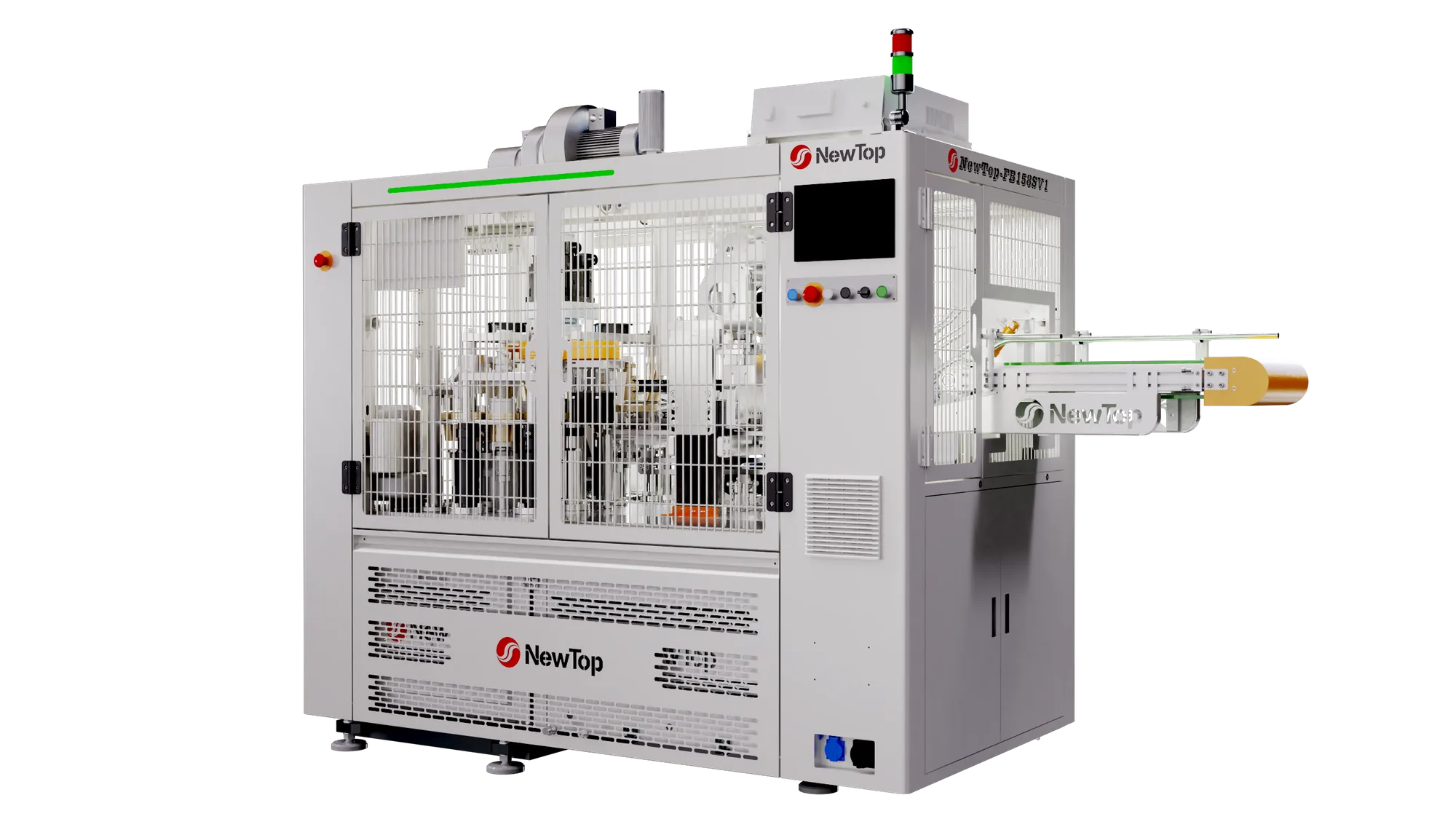
2.5oz-12oz Paper Cup Size
168-175 pcs/min Max Capacity
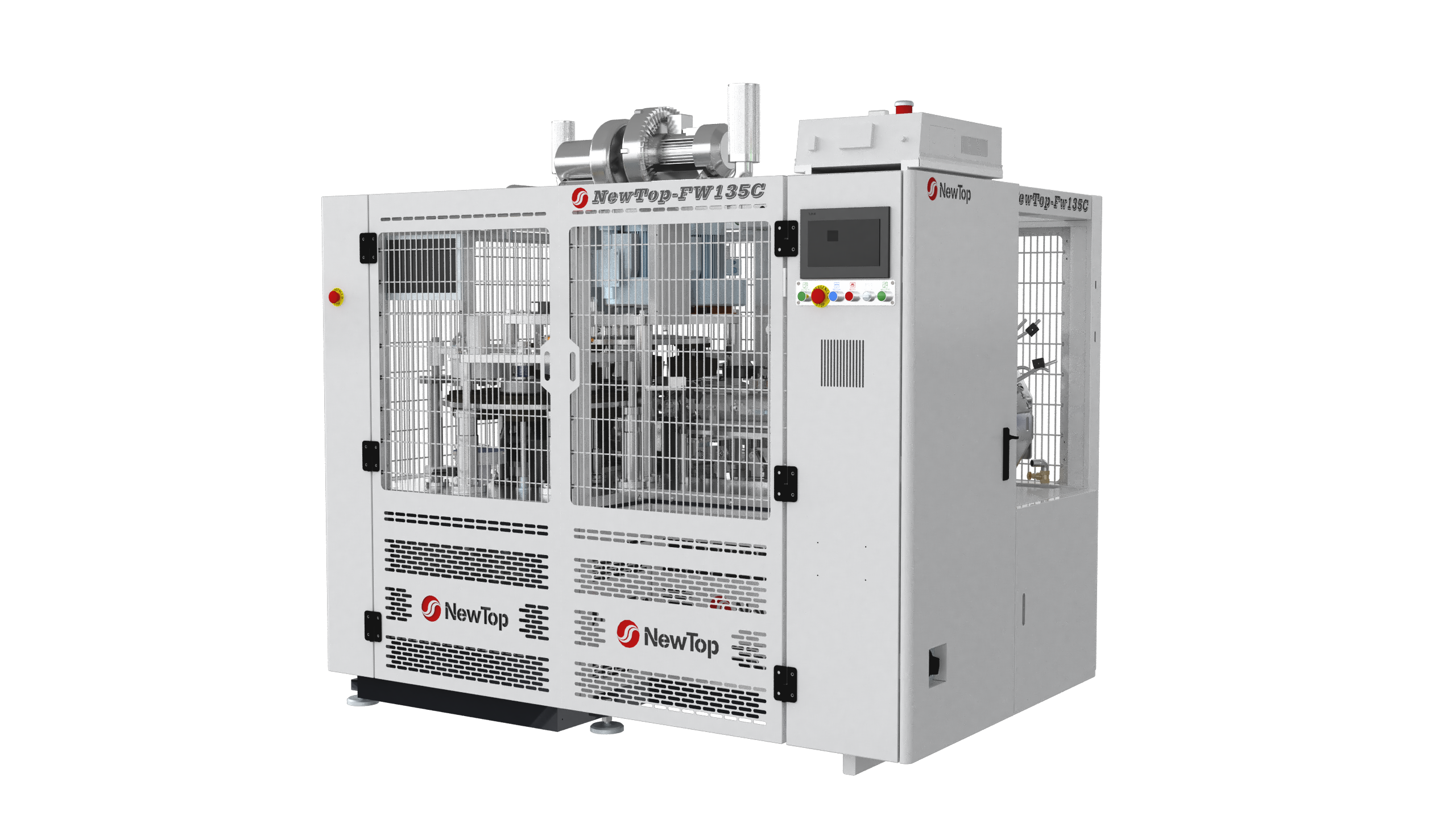
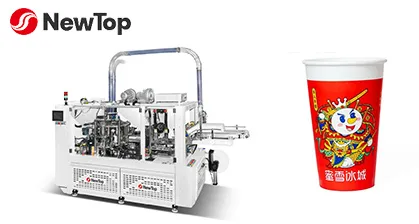
16-42oz Paper Cup Size
140 pcs/min Max Capacity
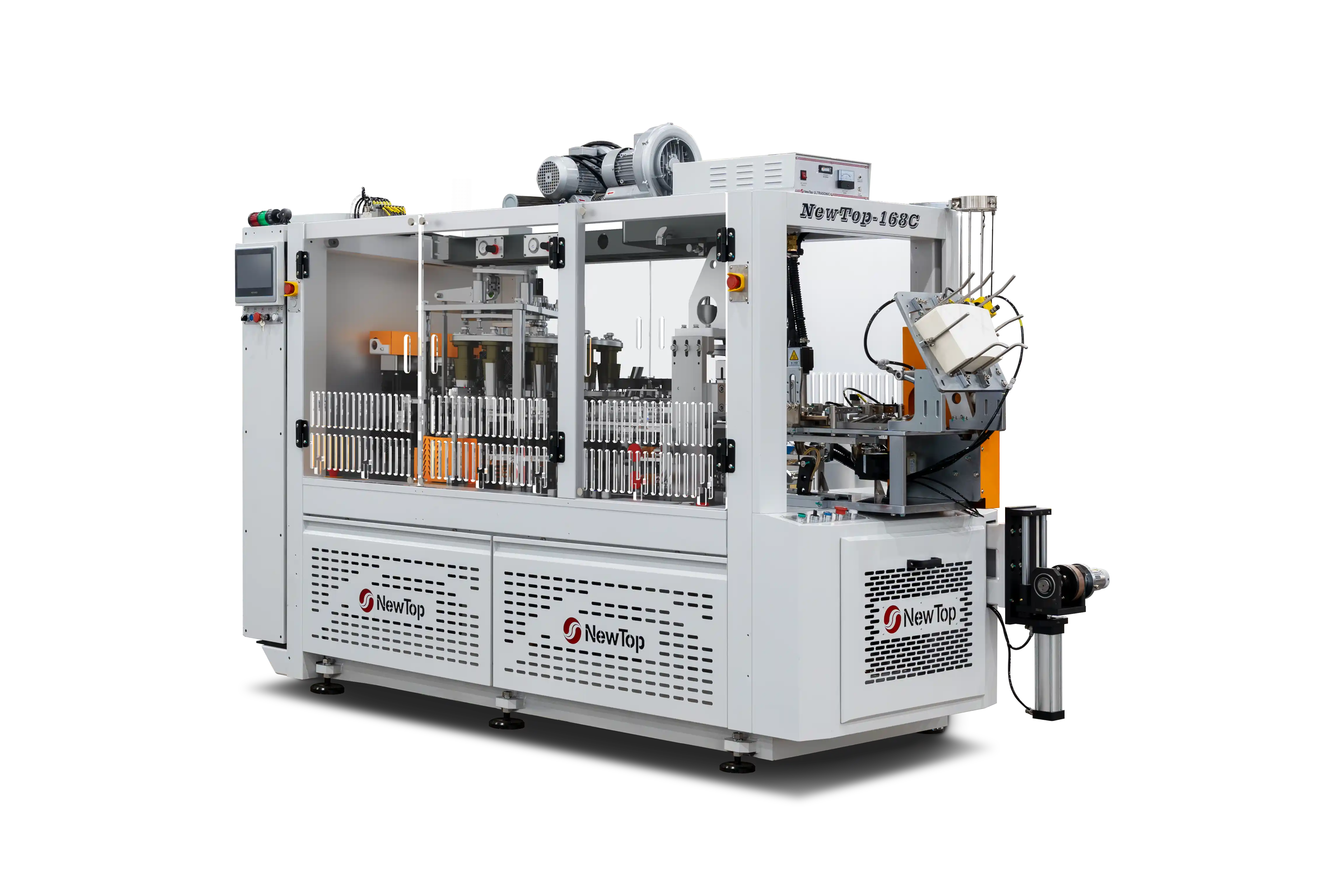
16-22oz Paper Cup Size
138 pcs/min Max Capacity


NewTop people pursue the concept of high quality and technology leading.
By changing the working mode with intelligent paper cup machine to make the operation more and more simple.
Fengzhai Natural Village,Wandu Village, Wanquan Town, Pingyang County, Zhejiang Province,China